Skip to content

Search

"Clearing"

166 articles found

Illustration of the Mastercard Data Integrity Monitoring Program for transaction data quality

Credit Card

What Is the Data Integrity Monitoring Program?

Published by Mastercard on 24 May 2019, the Data Integrity Monitoring Program monitors transactions (authorization, clearing, chip, chargeback, etc.) in the Mastercard system to reduce erroneous transactions and increase transaction success rates.


Illustration explaining the POS cashback feature

Merchant & POS

What is POS Cashback?

Cashback is a modern POS terminal service that allows cash to be withdrawn from the merchant's till while paying for goods and services. Although cashback is a feature specific to debit cards, you can also withdraw cash from an ATM...

Diagram illustrating a Not Onus transaction between the issuer and acquirer

Merchant & POS

What does Not Onus mean?

Not Onus is a payment systems term meaning "Not On Us": a situation where the card-issuing bank and the POS/ATM (acquiring) bank differ. Such transactions are settled through clearing between the two banks.

Diagram illustrating an Onus payment transaction between card and POS

Merchant & POS

What does Onus mean?

In the payment systems glossary, some terms are essential, including Onus. Onus literally means "on us" and refers to cases where the card-issuing bank and the POS/ATM bank are the same, meaning no clearing commission applies.

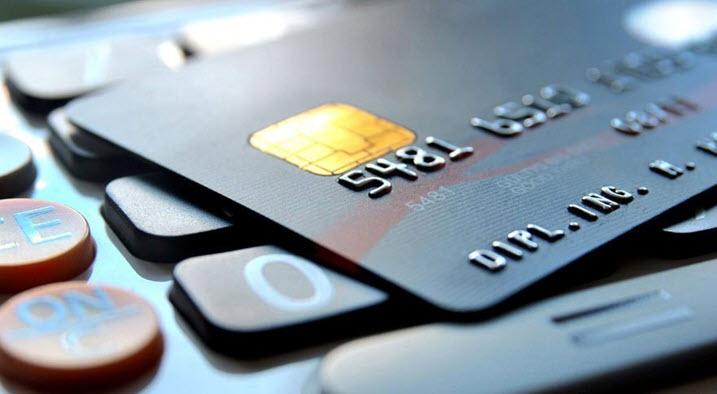
Payment card with an EMV chip

Clearing

What is Chip Condition Code?

Chip Condition Code is a code carried in the F60 (Additional Data) DE14 field during clearing that shows the chip read status. The possible values and their descriptions are listed below.

Illustration showing how an Application Identifier (AID) is used in a chip card transaction

EMV

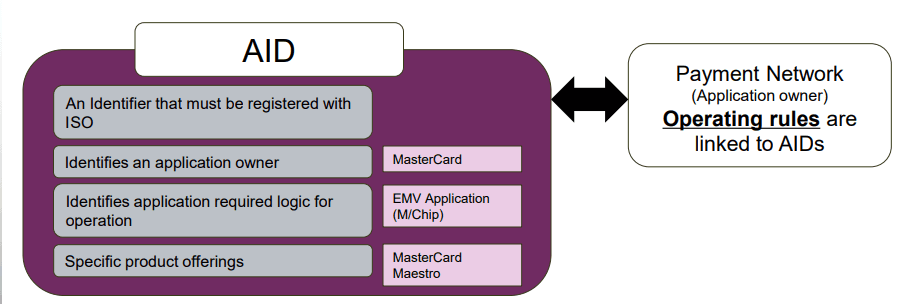
What is an Application Identifier (AID)?

The AID tells the terminal which applications are present on a chip during a POS or ATM transaction. What does the AID do? It lets the terminal determine whether it supports an application on the chip. In Tag 9F06, it is 5-16 digits long.

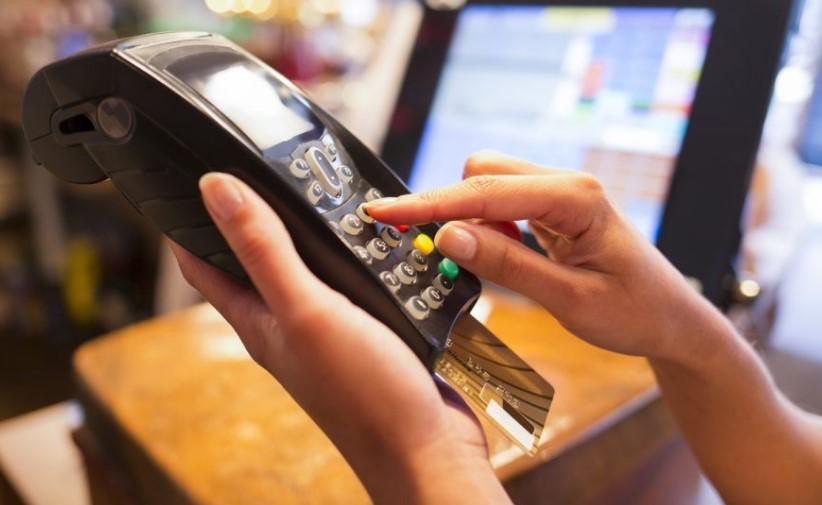
POS terminal used for card payment transactions

Merchant & POS

What is On-Us Leakage?

On-Us Leakage is a term used in the world of payment systems. On-us means the card-issuing bank and the POS-acquiring bank are the same. So what does on-us leakage mean in this context?

Diagram illustrating the types of chargeback disputes in card payments

Chargeback

What are the chargeback dispute types?

A chargeback is a dispute raised against a card transaction when the cardholder did not make it or does not recall it. The dispute types vary depending on the situation; let's look at them.

Diagram showing how an international card transaction is processed

Online & Authorization

How does the international transaction flow work?

When a card transaction is made abroad, banks usually calculate the cost from a percentage commission, a fixed commission, and an exchange rate margin. The flow starts when the customer requests a cash withdrawal at a foreign ATM.

Logo and branding of BKM, Turkey's Interbank Card Center

Payment Systems

What is BKM (Interbank Card Center)?

BKM, short for Interbank Card Center, is a legal entity established in 1990 with contributions from 13 public and private Turkish banks to provide clearing and settlement for cards.

Diagram illustrating ISO 8583 field F23, the card sequence number

ISO 8583

ISO 8583 Field Descriptions (F23)

F23 - CARD SEQUENCE NUMBER: Information used to distinguish cards sharing the same card number. For example, the Card Sequence Number is incremented by 1 when a card is renewed. In an authorization transaction, if the F22 value is '05x'...

Diagram showing how an open authorization moves to a card statement after batch close and clearing

Credit Card

What Is an Open Authorization?

In credit card transactions made through a POS, receiving approval alone is not enough for the transaction to post to the card's statement period; settlement must also take place. The settlement period, known as the open-authorization waiting time, varies by transaction type.