Skip to content

Search

"MasterCard"

123 articles found

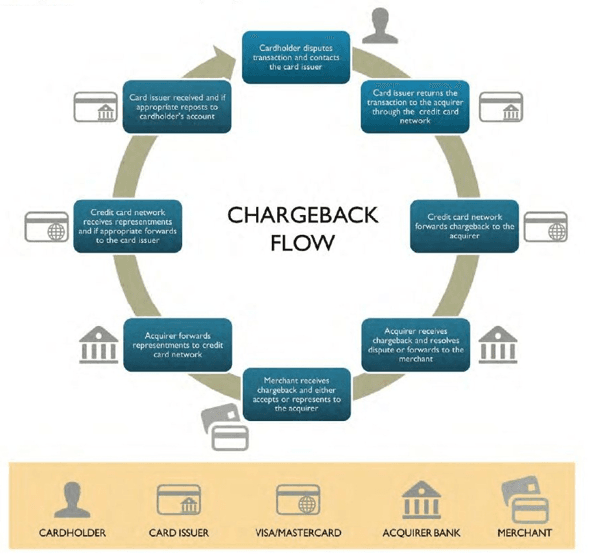
Flowchart showing the chargeback dispute process between cardholder, issuer, and merchant

Chargeback

What is a chargeback?

A chargeback is the process of refunding an amount back to a credit card when goods or services paid for are not received, or when transactions not carried out by the cardholder are identified. It is translated into Turkish as reverse presentment.


Diagram illustrating the card payment arbitration process

Chargeback

What is Arbitration?

Arbitration, by definition, is a dispute resolution method in which disputes are settled by arbitrators the parties choose themselves, rather than by official courts. In payment systems, it follows a chargeback when the issuer and acquirer cannot agree.

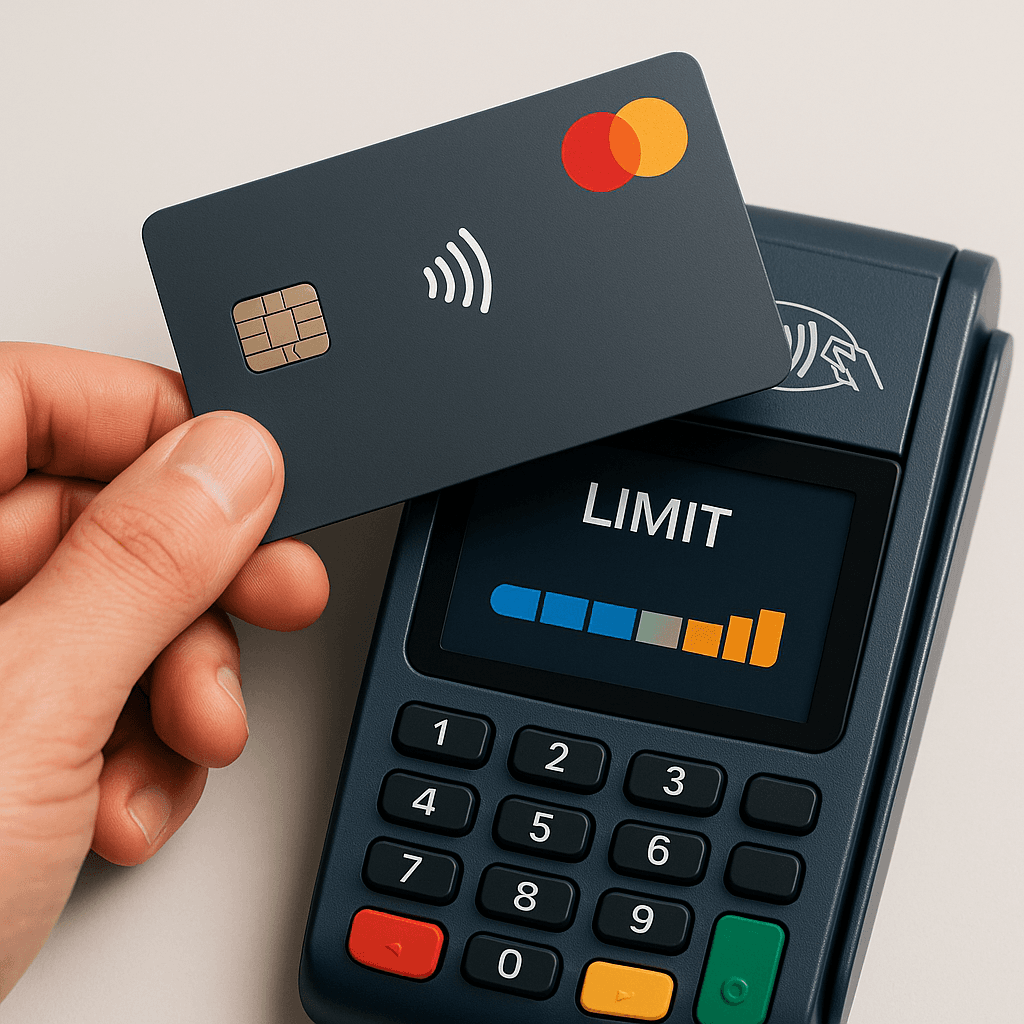
Illustration of dynamic CVM limit management for contactless card payments

Payment Systems

Dynamic CVM Limit Management Approach: A New Era in Card Security

One of the most notable recent developments in card payments is that contactless limits are no longer fixed and can be managed dynamically per customer. Mastercard and Visa are taking different but complementary approaches, and ISO 8583 may need to evolve with them.

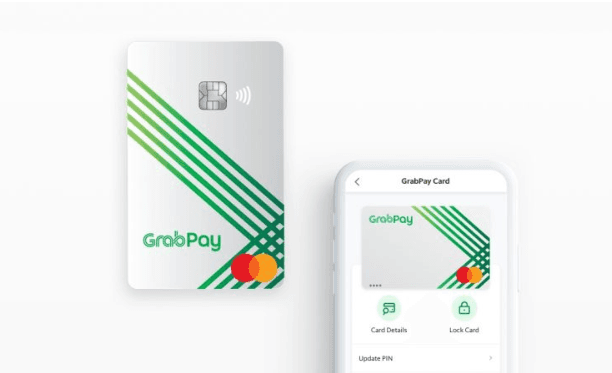
GrabPay Card Mastercard launch illustration

Credit Card

GrabPay Card Launched

Grab, one of Southeast Asia's ride-hailing companies with a strong interest in finance, has introduced the GrabPay Card. Like the Apple Card, the physical card carries no card number, name or expiry date.

Illustration of EMV chip card technology used in VSDC and M/Chip-Lite applications

Credit Card

What is VSDC (Visa Smart Debit Credit) and M/Chip-Lite?

EMV chip cards contain a small, powerful microprocessor that provides enhanced security, faster transactions, and support for loyalty programs. VSDC is Visa's chip-based solution; M/Chip-Lite is Mastercard's low-cost equivalent for banks starting their chip migration.

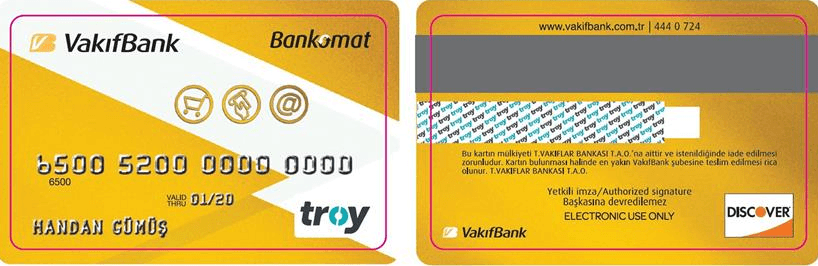
Diagram illustrating a co-badge card issued under two payment schemes

Credit Card

What is a Co-Badge Card?

A co-badge card is issued under two or more payment schemes (Mastercard, Troy, Diners Club, Discover, etc.). If a bank's product supports multiple schemes, customers can request a card carrying two or more payment brands.

Diagram illustrating the appeal stage of the card dispute and chargeback process between issuer, acquirer and card scheme

Payment Systems

What Is an Appeal? What Does It Mean in Payment Systems?

In payment systems, an “appeal” is the process of objecting to the outcome of a transaction dispute. It is usually discussed alongside chargebacks, but it plays a critical role in interbank dispute resolution, when a party asks the card scheme to re-evaluate a concluded decision.

Diagram showing membership types for Visa and Mastercard card schemes

Credit Card

How Many Types of Membership Are There by Card Scheme?

Banks must go through a costly, arduous process to issue cards (issuer) and accept cards (acquirer), paying high entry fees to international license providers and local organizations such as BKM.

Illustration representing the chargeback and dispute process in card payments

Chargeback

What Are the Domestic Exceptions to Chargeback Rules?

A chargeback is the refund of an amount paid by credit card to the cardholder's card when the purchased goods or services were not received, or when a transaction was not actually carried out by the cardholder.

Table of chargeback reason codes by payment scheme

Chargeback

What Are the Chargeback Reason Codes by Payment Scheme?

A chargeback is the process of requesting that an amount paid by credit card be refunded, either because the goods or services paid for were not received, or because a transaction is identified as one the cardholder did not carry out.

Diagram showing Electronic Commerce Indicator values used in 3D Secure transactions

Online & Authorization

What is the Electronic Commerce Indicator (ECI)?

Electronic Commerce Indicator (ECI) is a 2-digit value generated by payment schemes (Visa, MasterCard, etc.) in 3D Secure transactions to determine the transaction's security level (Full 3D Secure, Half 3D Secure, Non 3D Secure), and it varies by payment scheme.