Skip to content

Search

"Receipt"

79 articles found

Table of ISO 8583 response codes that trigger card capture

Merchant & POS

What Are the Card Capture Error Codes?

Response codes returned on payment transactions are critical for managing next steps. Curious which error codes trigger card capture? Under ISO 8583, codes 04, 07, 33, 34, 36, 38, 41 and 43 all result in the card being captured.
Credit cards inside an open wallet

Merchant & POS

Who is liable for a transaction made without a PIN?

Almost all of us carry at least one credit card. Imagine losing your wallet with all your cards inside, and someone with bad intentions finding it and using the cards without a PIN. Who bears the responsibility?

Illustration showing the reasons a bank may terminate a merchant agreement

Merchant & POS

Under What Circumstances Is a Merchant Agreement Terminated?

Banks check merchants against a termination list before issuing a POS device. Learn the main reasons, such as counterfeit card acceptance, excessive chargebacks, and fraud, that can lead a bank to terminate a merchant agreement.

Illustration of a new-generation smart cash register combining a fiscal device and a POS terminal

Merchant & POS

What You Need to Know About Smart Cash Registers (OKC)

A smart cash register is a new-generation, IP-based payment recording device that integrates a cash register with a POS terminal. It combines fiscal devices and POS devices in a single unit and transmits data to the Ministry of Finance in real time.

Diagram of the chargeback process between cardholder, issuer and acquirer

Chargeback

How to Reduce Chargebacks (For Cardholders)

A chargeback is when a cardholder asks the issuing bank to refund a transaction made without their knowledge. It cannot be prevented entirely, but simple precautions can minimize the risk. Here is how the process works and what cardholders should do.

ATM card reader unit

ATM

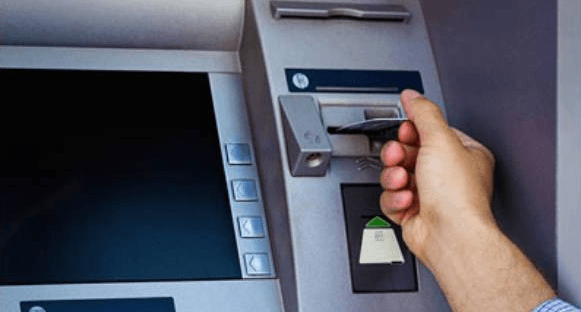
What are an ATM's Input and Output Units?

The units that let an ATM receive data are called Input Units, and the units that display data are called Output Units. Learn about the card reader, keypad, speaker, display, receipt printer, and cash dispenser.

ATM machine with cash dispenser and receipt printer

ATM

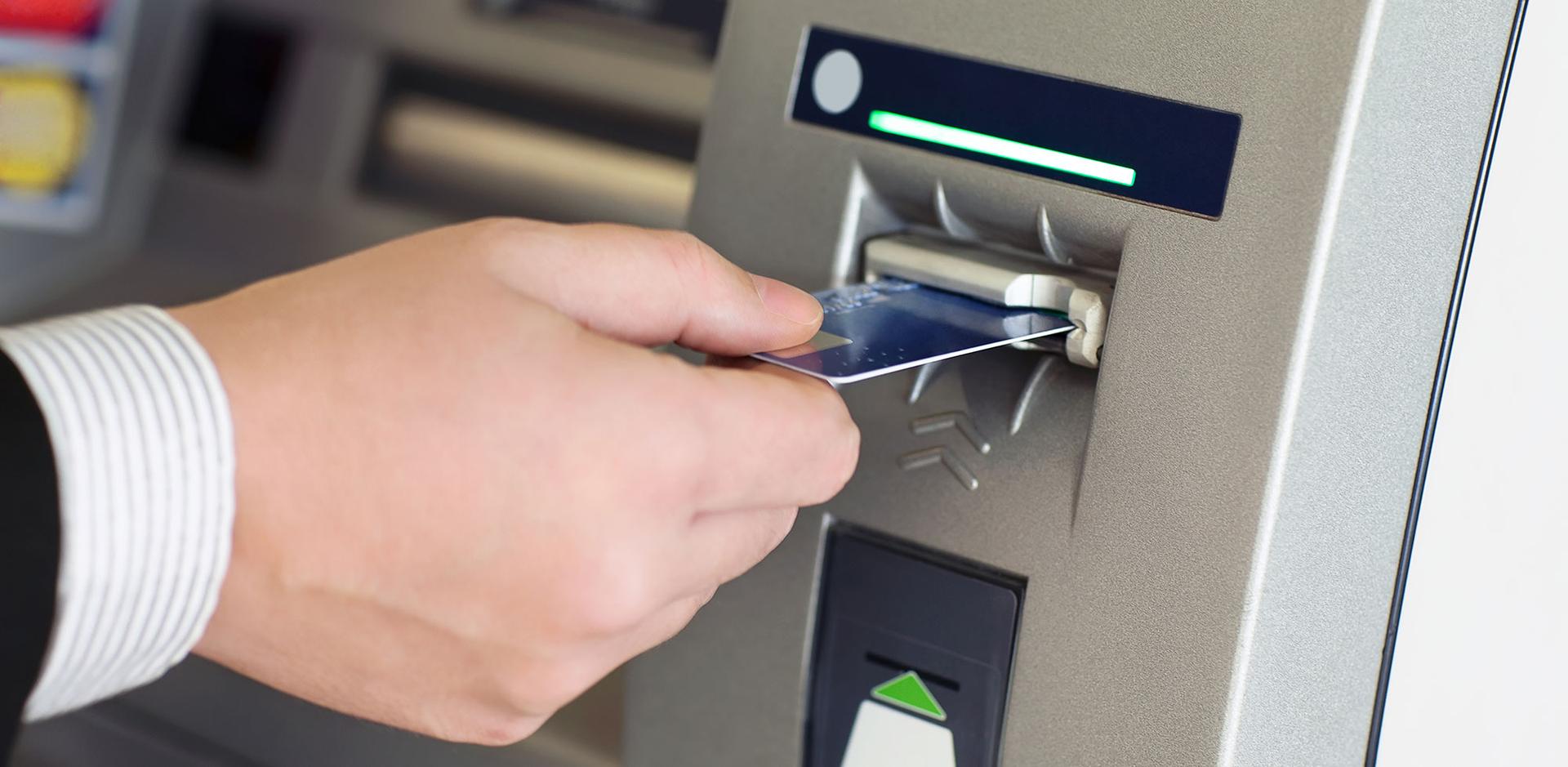
What Is an ATM?

ATM stands for Automated Teller Machine, an electronic device that lets customers carry out account transactions with or without a card. It was invented in 1960 by John Shepherd-Barron. The first ATM in Turkey was installed in 1982.

Diagram showing the structure of the ISO 8583 F54 Additional Amounts field

ISO 8583

ISO 8583 Field Descriptions (F54)

F54 - ADDITIONAL AMOUNTS is the additional amount field used in transactions. It can take different values depending on the transaction, such as carrying account balance information for balance inquiries.

Diagram showing different types of POS terminals used for card payments

Merchant & POS

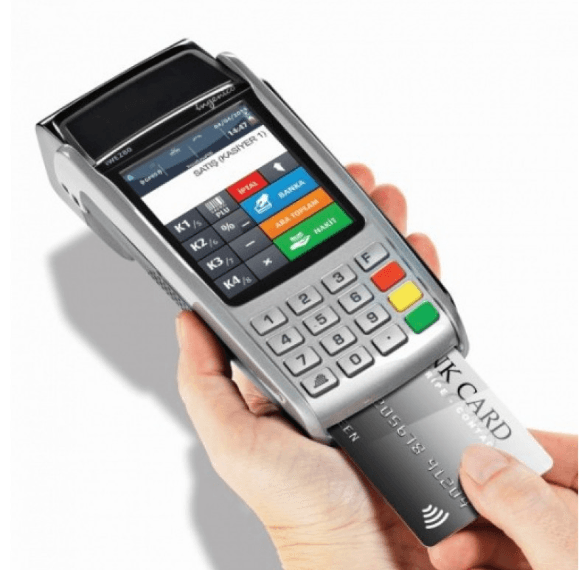
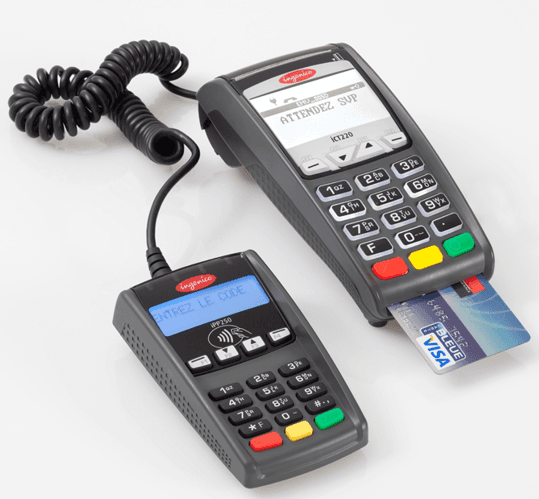
What Is a POS (Point of Sale)?

Virtual or electronic authorization devices connected to a bank, used by merchants to accept card payments. The term comes from the English phrase Point of Sale. Covers POS types by communication method, their advantages, who can use one, and the transactions a POS can perform.

Diagram illustrating the appeal stage of the card dispute and chargeback process between issuer, acquirer and card scheme

Payment Systems

What Is an Appeal? What Does It Mean in Payment Systems?

In payment systems, an “appeal” is the process of objecting to the outcome of a transaction dispute. It is usually discussed alongside chargebacks, but it plays a critical role in interbank dispute resolution, when a party asks the card scheme to re-evaluate a concluded decision.

Diagram of an Onus installment transaction flow between POS and HOST

Payment Systems

What are the key points in an Onus Installment project?

Before describing the Onus Installment process, it is better to first answer: what is an Onus transaction? An Onus transaction is when the acquirer and issuer are the same institution, so the transaction is processed through that institution.