Skip to content

Search

"Security"

379 articles found

Diagram of internet banking security showing a login screen protected by a padlock

HSM & Security

What Should Be Done to Ensure Internet Banking Security?

In the past, banking meant going to a branch. Today, most transactions run through channels such as the Internet Branch, ATM and Mobile Branch, so improving internet banking security and regularly informing customers about it is important.
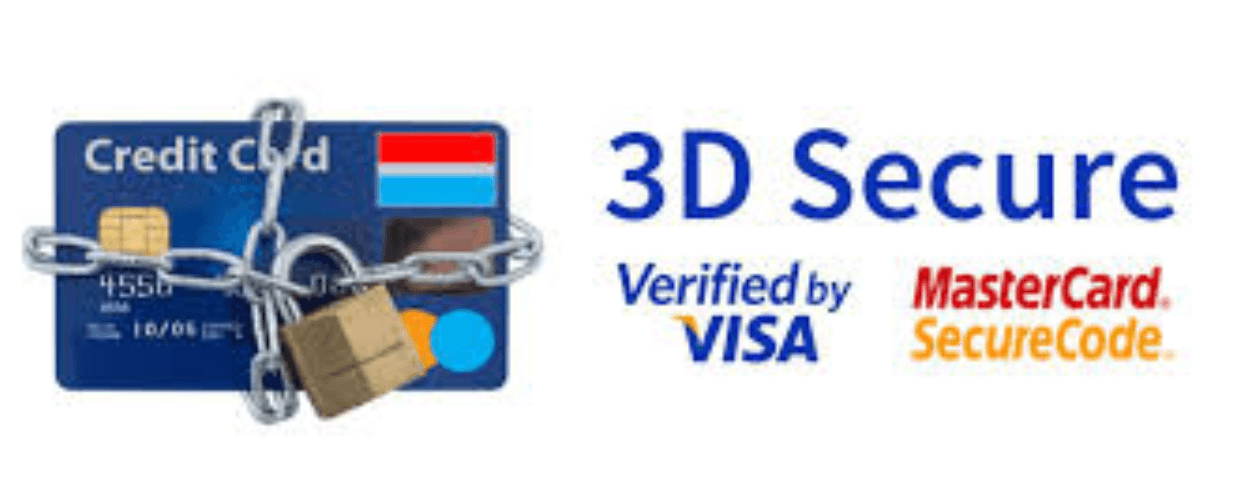
Diagram showing the Issuer Domain, Interoperability Domain and Acquirer Domain in 3D Secure

Merchant & POS

What are Payment Scheme 3D Secure systems?

3D Secure is short for Three Domain Secure (Issuer Domain, the Interoperability Domain and the Acquirer Domain), used to increase security in online transactions. Known to cardholders as 3D Secure, these systems are given unique names by payment schemes (MasterCard, Visa, etc.).

Diagram comparing the 3D, 3D Pay, and 3D Pay Hosting payment models

Payment Systems

What are the 3D Secure Payment Models?

In card payment transactions made via a physical POS device, entering the card's PIN keeps the transaction secure, while in virtual POS transactions, security is provided through the 3D Secure flow. Are 3D Secure payment methods standardized? There are 3 different 3D Secure models.

GO Secure Payment logo

Merchant & POS

What Is Secure Payment (GO)?

GO Secure Payment is a system developed by BKM that verifies cardholders using a one-time password (OTP) during online purchases made with TROY cards, providing banks with a secure verification platform without needing to store card data.

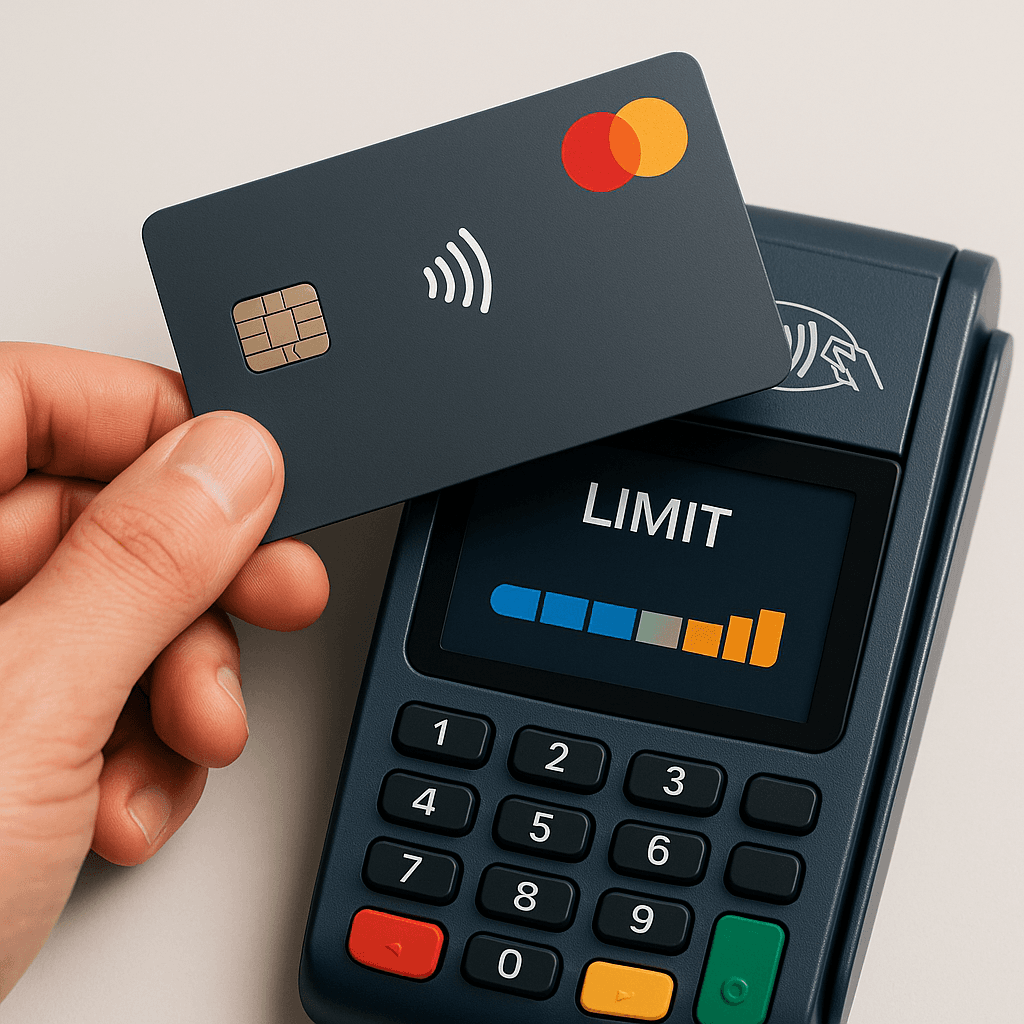
Illustration of dynamic CVM limit management for contactless card payments

Payment Systems

Dynamic CVM Limit Management Approach: A New Era in Card Security

One of the most notable recent developments in card payments is that contactless limits are no longer fixed and can be managed dynamically per customer. Mastercard and Visa are taking different but complementary approaches, and ISO 8583 may need to evolve with them.

PCI DSS Qualified Security Assessor illustration

Security

What Is a Qualified Security Assessor (QSA)?

A Qualified Security Assessor (QSA) is a person approved by the PCI Security Standards Council to audit merchants for compliance with the Payment Card Industry Data Security Standard.

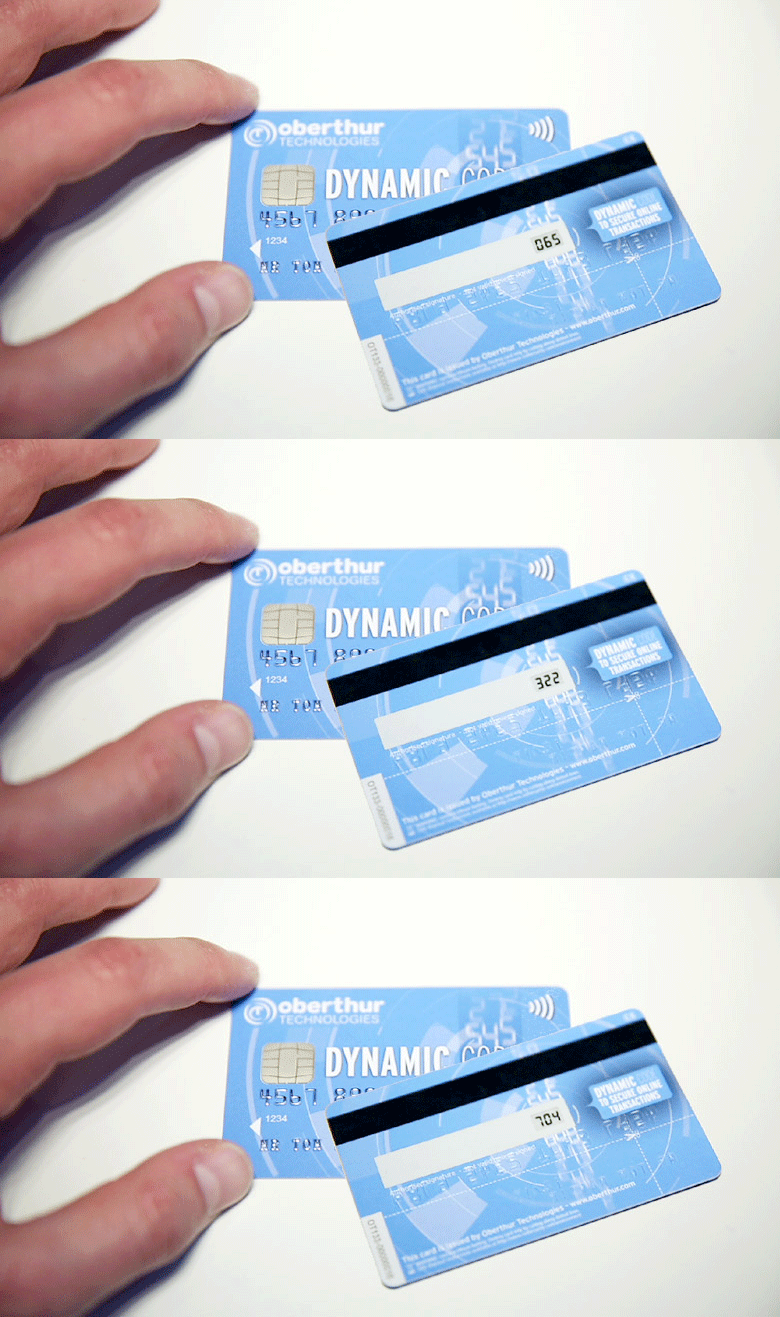
Animated illustration of a credit card representing dynamic security code technology

Credit Card

What is a Dynamic Card Security Code (CSC)?

It is a CVV2/CVC2 code that changes every few minutes instead of the static code printed on the back of a credit card, aimed at reducing fraud risk in CNP (Card Not Present) transactions.

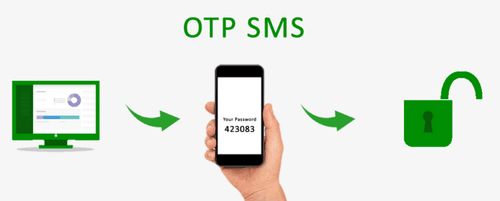
OTP SMS service icon illustrating one-time password delivery

Security

What Is OTP? What Is Its Role in End-to-End Security?

With Chip&Pin technology, card PINs and chip-based transactions became widespread. As online shopping grew, strengthening the security of these transactions became a necessity, and OTP began providing that transaction security.

Visa PIN security program guide illustration

Security

What Is the Visa PIN Security Program Guide?

The Visa PIN Security Program Guide describes the security and procedural requirements for acquirers and their agents that process PIN data or manage keys for PINs associated with Visa transactions.

Diagram of a smartphone using Magnetic Secure Transmission (MST) to emit a signal that mimics a card's magnetic stripe at a POS terminal

Merchant & POS

What is MST (Magnetic Secure Transmission)?

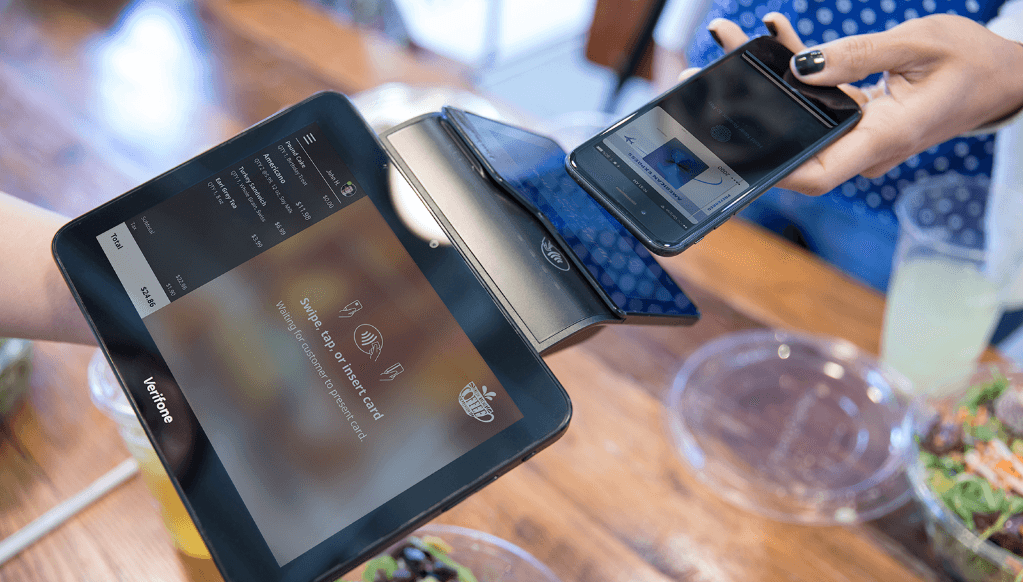
Magnetic Secure Transmission (MST) is a mobile payment technology in which devices such as smartphones emit a signal that mimics the magnetic stripe on a traditional payment card, letting a physical card's POS use be imitated without upgrading terminal software or hardware.