Skip to content

Search

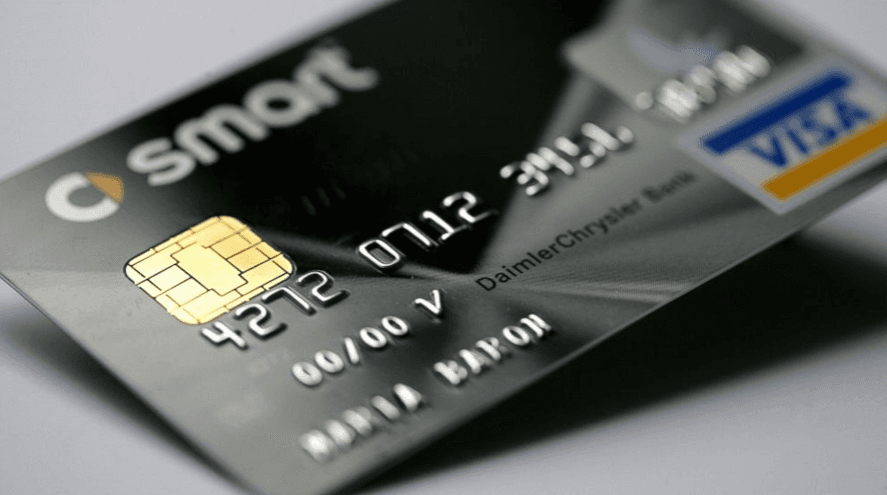
"cardholder name"

59 articles found

Illustration of the compliance process between merchant bank and issuer in card payments

Chargeback

What Is Compliance (Regulatory Compliance)?

Compliance means adherence to card scheme rules. Outside chargebacks, it is how a bank that loses money because card payment organization rules were broken recovers that amount from the party that caused the loss.

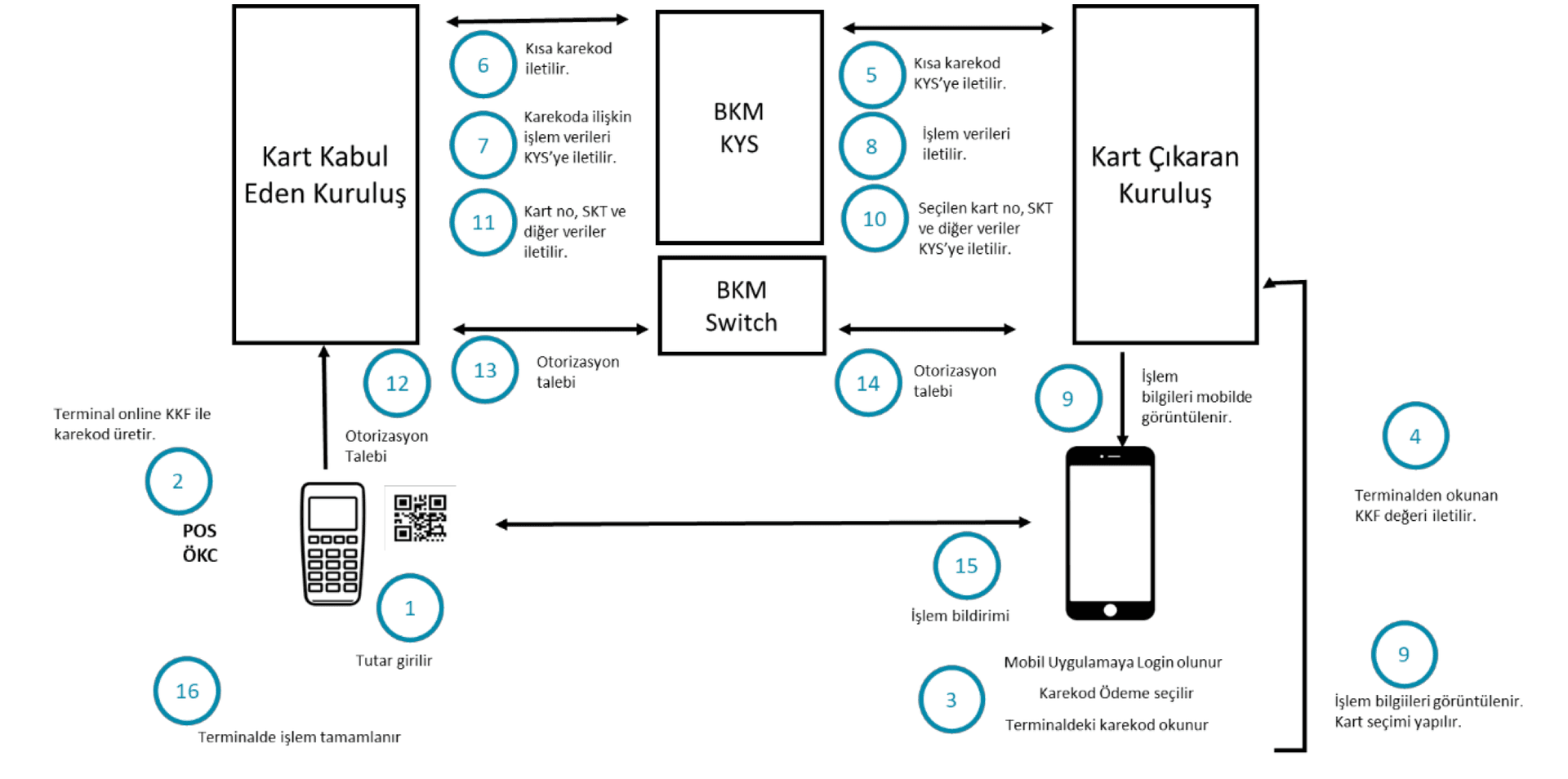
Diagram illustrating the structure of ISO 8583 field F43

ISO 8583

ISO 8583 Field Descriptions (F43)

F43 - CARD ACCEPTOR NAME AND LOCATION: the field that holds the name and location of the merchant/ATM where a card transaction took place. It is 40 characters long and alphanumeric.

Diagram of the TR QR Code payment flow between cardholder, issuer, BKM and acquirer

Payment Systems

Why Am I Getting an Error When I Try to Pay with a TR QR Code?

In payment or cash withdrawal transactions, the TR QR Code is generated by the POS or ATM. The card issuing bank must build its systems to read and act on this code. Errors usually stem from mishandling the long and short QR code flows, which are explained here.

Diagram of the online authorization flow for below-CVM-limit contactless transactions

Payment Systems

Domestic Flow Change Made for Below-CVM-Limit Online Contactless Transactions

The domestic authorization flow for below-CVM-limit online contactless transactions has changed. Issuers can now ask the cardholder for a PIN or request card insertion instead of simply approving or declining. This post explains the CVM list and the new DE48 PDS22 and DE39 = 65 message flows.

Close-up of a payment card chip, illustrating EMV cardholder verification

Online & Authorization

Cardholder Verification in EMV (CVM)

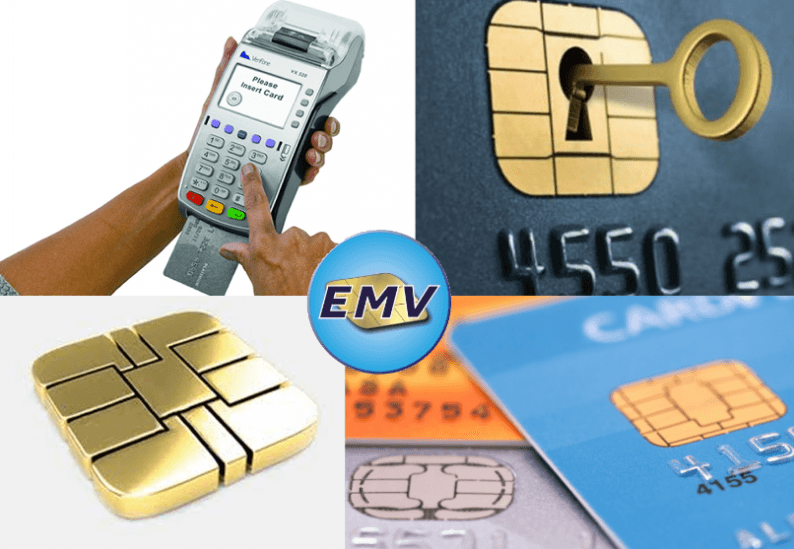
Cardholder verification in EMV is specific to chip cards. One goal of EMV is to minimize card fraud. To do this, three parties must be verified: the bank, the cardholder, and the terminal. One of the data items taken from the card to prove identity is...

Screenshot of a digital wallet mobile application interface

Credit Card

What is a digital wallet?

A digital wallet is an electronic wallet where credit, debit, or prepaid cards are registered in one place. Cardholders can securely add, store, update, and delete card details, then pay with a single click.

Table of Visa and Mastercard fraud codes and descriptions

Security

What Are the Visa and Mastercard Fraud Codes?

Fraud means obtaining unjust gain by carrying out a transaction at a merchant or ATM using someone else's credit card or debit card, causing a loss to the real cardholder, the merchant, or the bank. So what fraud codes do Visa and Mastercard use?

Diagram comparing the 3D, 3D Pay, and 3D Pay Hosting payment models

Payment Systems

What are the 3D Secure Payment Models?

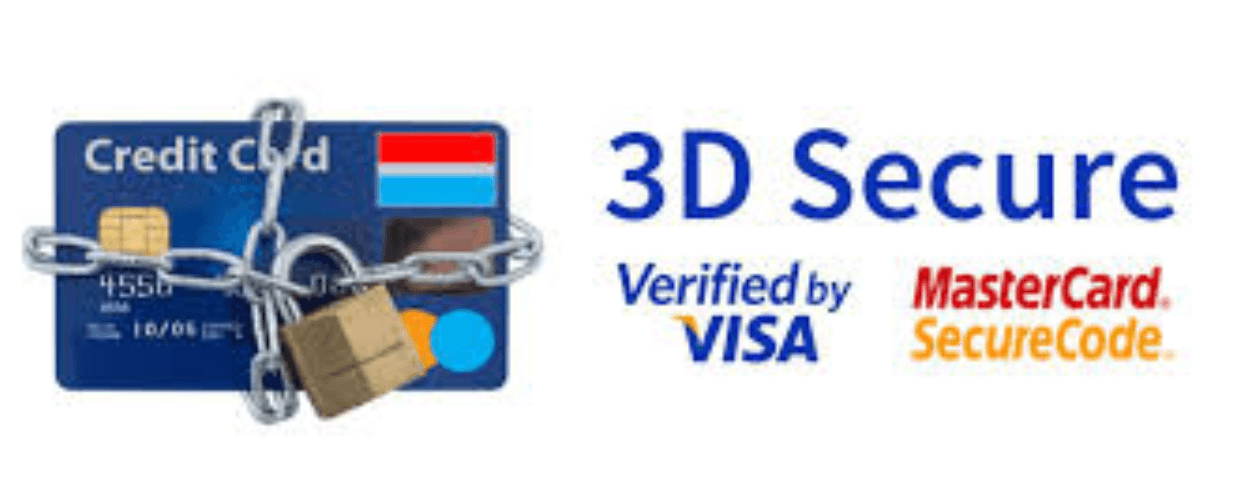
In card payment transactions made via a physical POS device, entering the card's PIN keeps the transaction secure, while in virtual POS transactions, security is provided through the 3D Secure flow. Are 3D Secure payment methods standardized? There are 3 different 3D Secure models.

Illustration representing electronic payment systems

Payment Systems

What are Payment Systems?

Let's talk about payment systems, which we have heard more about since the internet entered our lives, and the basic structures behind them. The first credit card in the world was used in America in the 1920s.

ATM skimming protection device illustration

ATM

What is Skimming Protection Solution (SPS)?

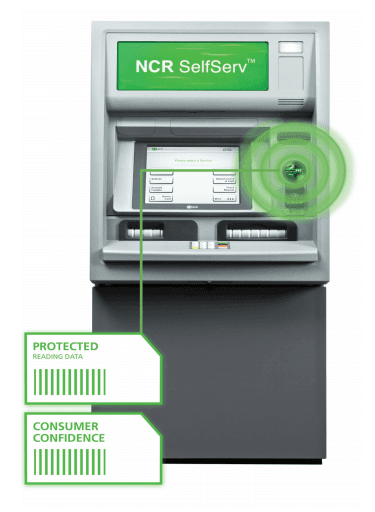
The name given to the solution developed by NCR against card skimming and fraud. With SPS, the ATM network is protected from the cost and risks of skimming attacks, which cause over 2 billion dollars in global losses annually.

Illustration of a digital wallet storing payment card information

Credit Card

What Is a Wallet?

The term 'wallet' has many definitions in payments and fintech. In general, it refers to digital wallets (e-wallets) used in e-commerce, popular because they let users securely store payment information and pay easily.

Timeline of EMV version history

EMV

What are the EMV Versions?

The history of EMV versions is given below: EMV was standardized in 1995. EMV 3.0, released in 1996, was the first widely used version, commonly known as EMV '96. In 1998, additions were made to EMV 3.0.