Skip to content

Search

"fraud"

130 articles found

Screenshot of an Address Verification Service (AVS) response code table

Merchant & POS

What is Address Verification Service (AVS)?

Address Verification Service (AVS) is a fraud prevention system that helps limit fraud and chargebacks when used effectively. It verifies that the address a customer enters matches the cardholder's address on file with the issuer.


Illustration of a card present transaction being processed at a POS terminal

Security

What is a CP (Card Present) Transaction?

A CP transaction refers to a card transaction in which the card and cardholder are physically present at the location. Card Present transactions occur when the card's magnetic stripe or chip data is read by a POS terminal or ATM, or via contactless.

Illustration representing a payment card's transaction history

Credit Card

What Is a Card's First Transaction Date? What Is It Used For?

Banks generally keep a record in the system of a card's "First Transaction Date." This information is automatically populated by the online authorization system. So under what circumstances is it updated? First, an authorization transaction must…

News clipping about the arrest of hacker Hakan Karacaoglu

Fraud

Famous Hacker Caught After 8 Years

Recently the following news story appeared in the papers. Two things stood out: the hacker was a former banker, and the device he used to clone cards. In banking fraud, insiders who know the system's weak points can build schemes customers never notice.

Illustration of ways merchants can reduce chargebacks on card transactions

Chargeback

How to Reduce Chargebacks (For Merchants)

Chargeback is inherent to card transactions, so it may be impossible to prevent entirely, but taking precautions keeps the risk to a minimum. Here are the key points merchants should pay attention to in order to reduce chargebacks.

Diagram of the committees within the BKM system

Payment System Institutions

What are the committees in the BKM system?

BKM (Interbank Card Center) works through several committees: Security, Operations and Technology, Market Development, Business Development, Chargeback Rules and Arbitration, ATM Sharing, plus arbitration committees. This post outlines each one's duties.

Table of AVS response codes by card scheme, showing address and postal code match results

Payment Systems

What Are the AVS Codes by Card Scheme?

The Address Verification Service (AVS) is a fraud prevention system that, when used effectively, can help limit fraud and chargebacks. This post lists the AVS response codes used by AMEX, Mastercard and Visa, with a description of each.

Illustration representing Strong Customer Authentication (SCA) under PSD2

Payment Systems

What is Strong Customer Authentication (SCA)?

Strong Customer Authentication (SCA) is a security requirement introduced under the EU's Payment Services Directive 2 (PSD2) to increase security and reduce fraud in online payment transactions. SCA requires two of three independent authentication factors.

ATM skimming protection device illustration

ATM

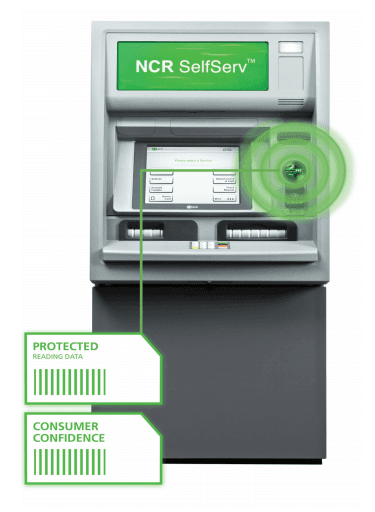
What is Skimming Protection Solution (SPS)?

The name given to the solution developed by NCR against card skimming and fraud. With SPS, the ATM network is protected from the cost and risks of skimming attacks, which cause over 2 billion dollars in global losses annually.

Payment card being checked against a card recovery bulletin of problem cards

Merchant & POS

What Is a Card Recovery Bulletin (Card Protection Bulletin)?

A Card Recovery Bulletin is a list of problem cards (lost, stolen, expired, over-limit, counterfeit or otherwise flagged) published by card schemes such as Visa or MasterCard. It shows whether a card number is listed on the date of purchase.

Illustration representing a Man in the Browser (MitB) cyberattack on online banking

Security

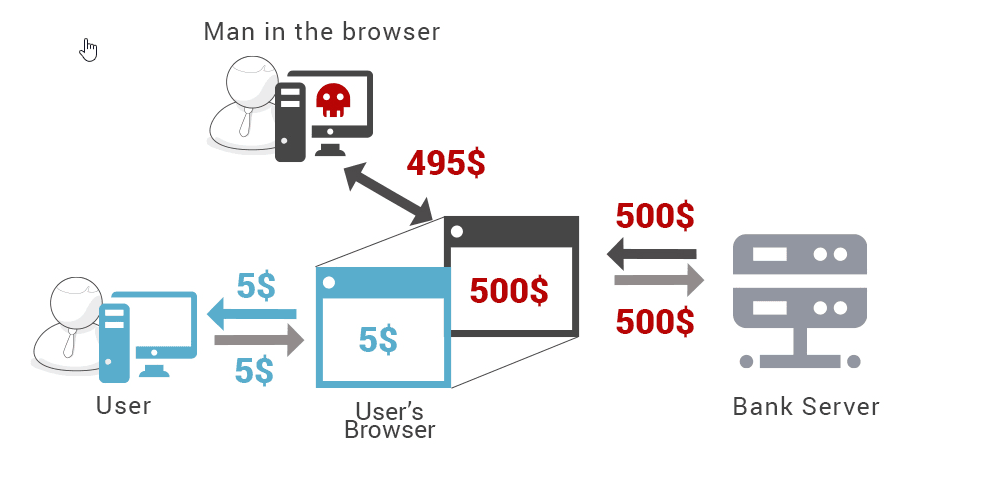
What is a Man in the Browser Attack (MitB)?

In the Man in the Browser fraud method, the goal is not to steal the user's password but to place malware in the browser itself. A malicious browser extension can alter the amount and recipient of the user's transfers at will.