Skip to content

Search

"integration"

122 articles found

Illustration of a closed-loop payment ecosystem growing through loyalty, data, and new services

Closed-Loop Payments

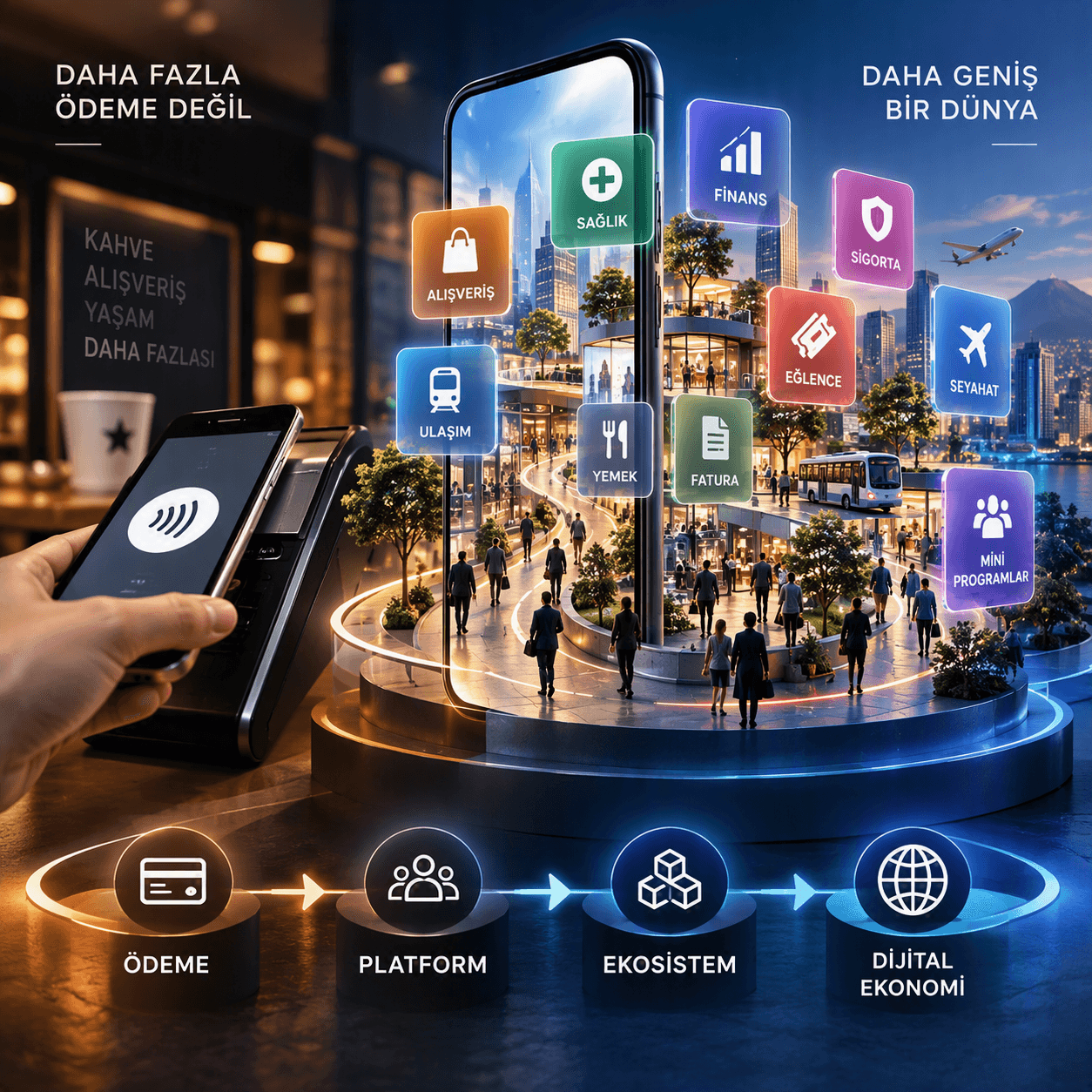
Why Do Closed-Loop Payment Systems Want to Grow? | Series #6

Why does a coffee chain build its own loyalty program, and why does a payment app keep adding services? This post looks at how loyalty, data, and new services drive the growth of closed-loop payment systems, and at the financial layers behind that growth.
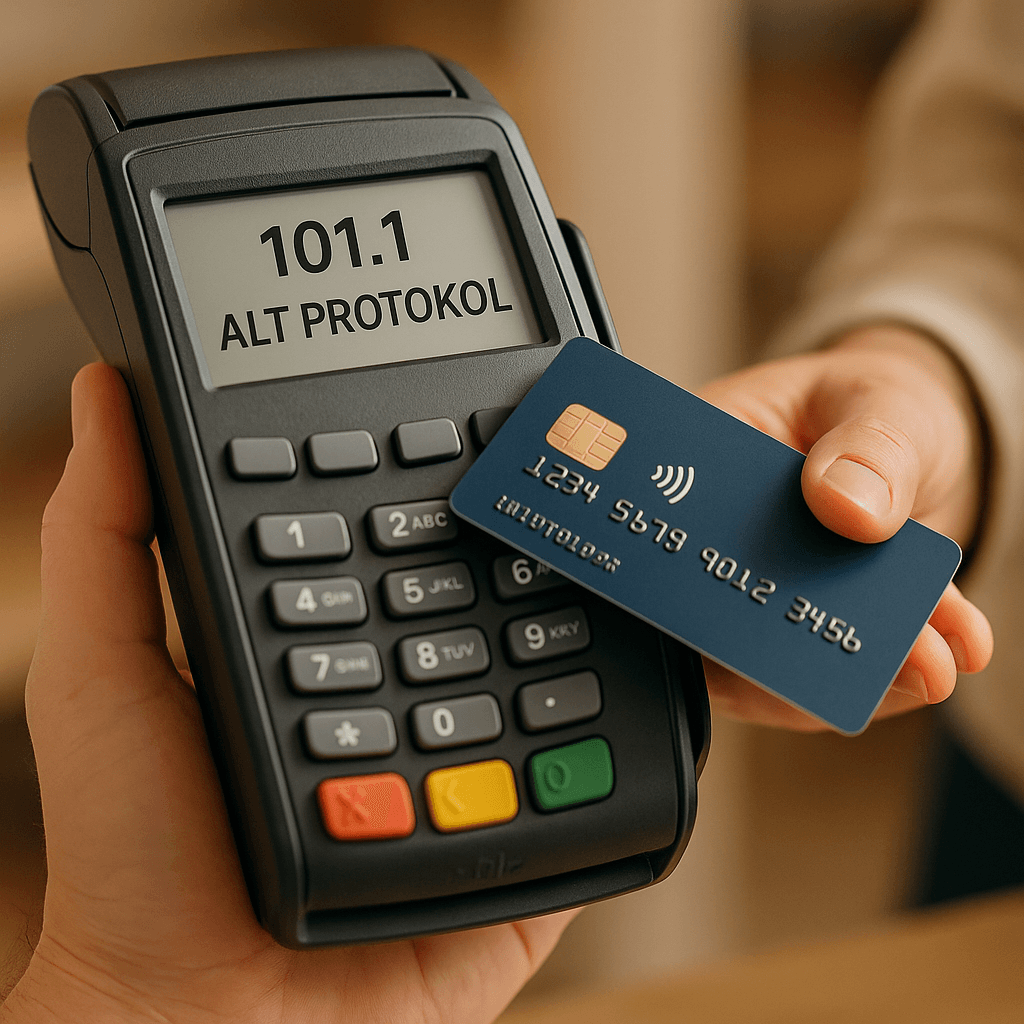
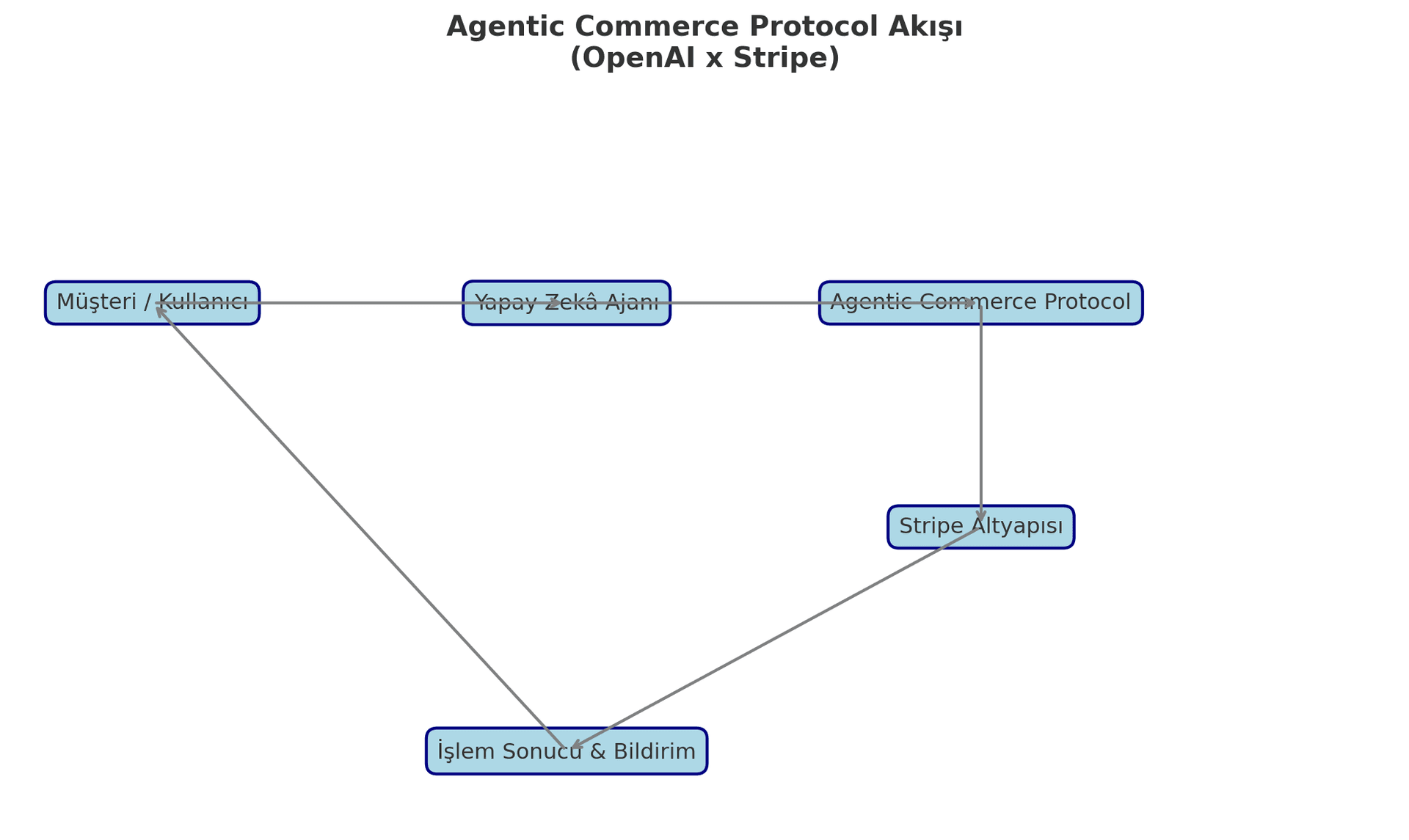
Illustration representing communication protocols used in POS payment systems

Merchant & POS

What Are POS Sub-Protocols and Their Use Cases in Turkey?

In payment systems, every exchange between POS devices and bank or payment institution systems runs on a specific messaging standard, generally based on ISO 8583. However, each country, bank, or switch network defines its own version of this standard.

Illustration of AI agents connecting to payment infrastructure through Agentic Commerce Protocol

Payment Systems

What Is Agentic Commerce Protocol? How Does It Work?

Agentic Commerce Protocol (ACP) is a next-generation protocol that lets AI agents integrate directly into commercial processes such as payments, orders, refunds and subscriptions. This post explains how it works and what it offers businesses.

Diagram comparing the 3D, 3D Pay, and 3D Pay Hosting payment models

Payment Systems

What are the 3D Secure Payment Models?

In card payment transactions made via a physical POS device, entering the card's PIN keeps the transaction secure, while in virtual POS transactions, security is provided through the 3D Secure flow. Are 3D Secure payment methods standardized? There are 3 different 3D Secure models.

Illustration representing the BKM Payment Gateway

Payment Systems

What is the BKM Payment Gateway?

BKM Payment Gateway is the general name for platforms that let government institutions accept card payments through BKM as intermediary. For the first time, SGK and e-Government title deed payments can be made with all banking cards.

Diagram of BKM public collection solutions including transport and payment gateway services

Payment System Institutions

What Are BKM Public Collection Solutions?

BKM (Interbank Card Center) was founded in 1990 to clear and reconcile credit and debit card payments. This post covers its public collection solutions: contactless transport in Konya, SGK premium payments and e-Government gateway fees.

Exterior of the Takasbank headquarters building

Payment Systems

What is Takasbank?

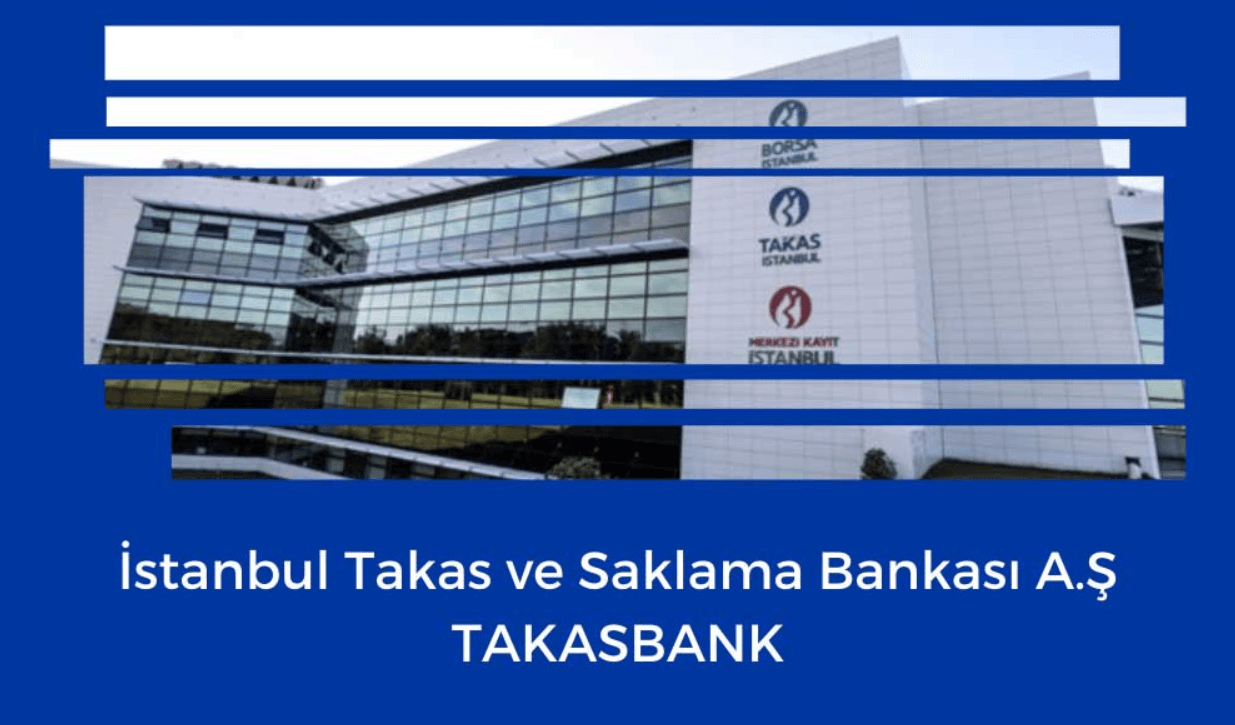
Takasbank (Istanbul Settlement and Custody Bank) exists to increase the competitiveness of Turkey's markets by providing clearing and custody services, financial services, and other economic activities under the relevant legislation.

UnionPay logo

Payment System Institutions

What is the UnionPay Online Payment System (UPOP)?

UnionPay Online Payments (UPOP) lets merchants in China, New Zealand, Australia and other countries extend their e-commerce stores to accept UnionPay payments. UnionPay supports over 5 billion cards in more than 140 countries.

Architecture of 3DS 1.0 compared with 3DS 2.0, showing the issuer, interoperability and acquirer domains

Security

What Is 3D Secure 2.0?

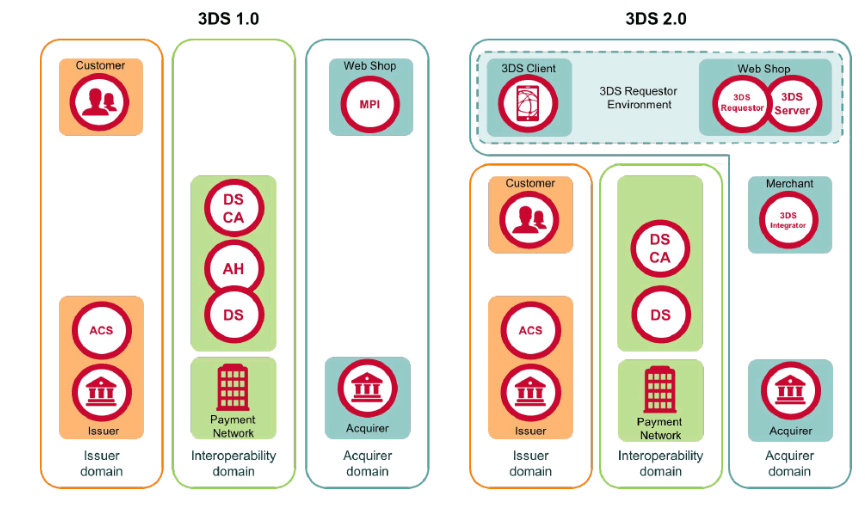
Before 3D Secure 2.0, let's explain what 3D Secure is. 3D Secure is a two-layer payment authentication system that protects both the cardholder and the merchant in online payments. First released by Visa in 1999, it was later adopted by other card schemes…

Online shopping and e-commerce payment on a laptop with a bank card

Payment Institutions & E-Money

What are the advantages of working with a payment institution?

Online shopping keeps growing, and e-commerce sites must choose between working with a bank or a payment institution. This article explains why a single application and integration with a payment institution can be the better route.

Diagram illustrating the NextGenPSD2 framework for open banking APIs

Open Banking

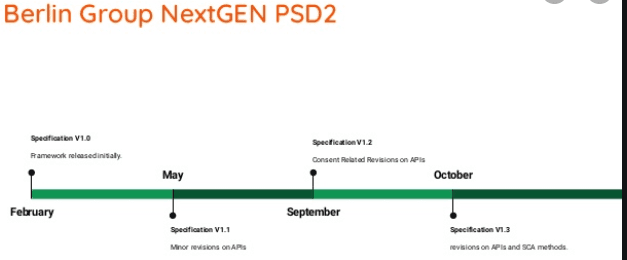
What Is NextGenPSD2?

NextGenPSD2 is the set of API standards launched by the Berlin Group in 2017, now involving more than 1,700 banks from 20 countries. This post explains what the framework offers to banks, fintechs and third-party providers under PSD2.