Skip to content

Search

"payment messaging"

65 articles found

HCE terminology and architecture diagram

HCE

Terms Used in HCE Terminology

When we talk about HCE methodology, many interacting architectural components come to mind. The core terms describing this architecture are listed below, starting with GCM/FCM (Google/Firebase Cloud Messaging), a service for sending push notifications.

Illustration of an e-commerce checkout page with card payment fields

Merchant & POS

How Important Is the Checkout Page in Payments?

The checkout page is where an online purchase is completed, and cart abandonment is highest there. This post lists design tips: support all cards, limit transition pages, show security cues, allow guest checkout and remove distractions.

Table of ISO 8583 response codes that trigger card capture

Merchant & POS

What Are the Card Capture Error Codes?

Response codes returned on payment transactions are critical for managing next steps. Curious which error codes trigger card capture? Under ISO 8583, codes 04, 07, 33, 34, 36, 38, 41 and 43 all result in the card being captured.

Illustration explaining the concept of the first online transaction after a card PIN change

Merchant & POS

What Does First Online Transaction Mean?

In payment systems, an online transaction means the transaction is sent to the card or POS/ATM bank at the moment it occurs, and required checks are obtained from that system. So does every transaction happen online? Of course not. Especially with contactless...

Diagram showing the CAT (Cardholder Activated Terminal) Indicator field used in payment authorization messages

Merchant & POS

What is the CAT (Cardholder Activated Terminal) Indicator?

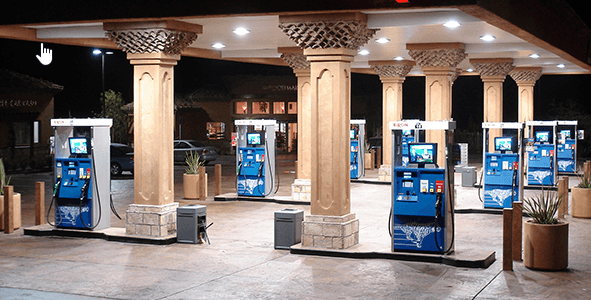
CAT (Cardholder Activated Terminal) devices are typically unattended terminals that accept various payment cards. These terminals are frequently installed at railway ticket stations, gas stations, toll roads, parking lots, and other commercial locations.

Illustration of dynamic CVM limit management for contactless card payments

Payment Systems

Dynamic CVM Limit Management Approach: A New Era in Card Security

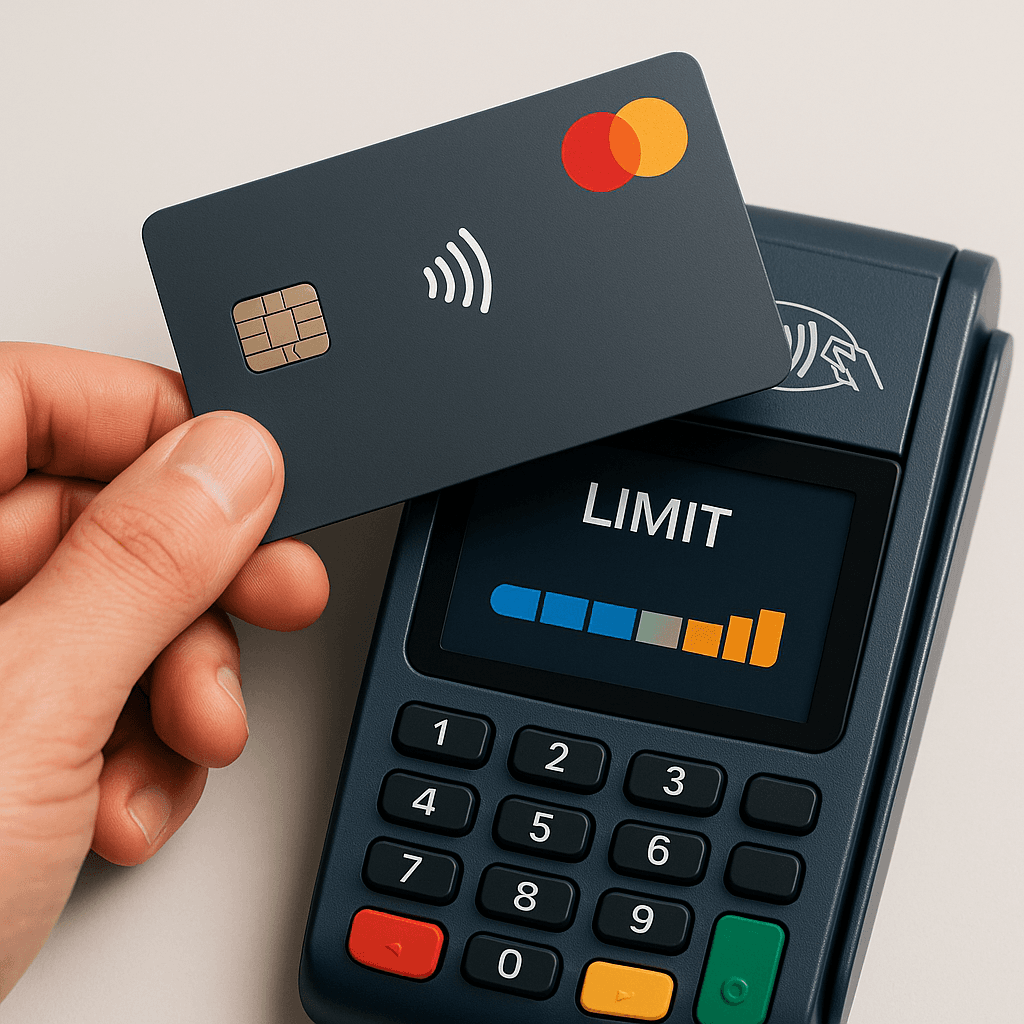
One of the most notable recent developments in card payments is that contactless limits are no longer fixed and can be managed dynamically per customer. Mastercard and Visa are taking different but complementary approaches, and ISO 8583 may need to evolve with them.

Example of a QR code

Merchant & POS

What is QR (Quick Response) Code?

QR Code is a two-dimensional barcode system developed by Denso Wave, a Toyota subsidiary operating in Japan. Its name comes from the initials of Quick Response. Its content can be any data, including text, a website address, or a video link.

EMV chip card illustration

Online & Authorization

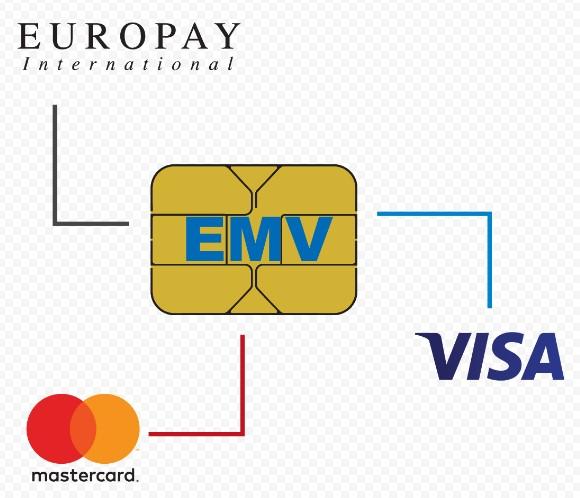
What is EMV?

EMV stands for Europay, Mastercard and Visa. In 1994 these companies formed a working group to set chip-card standards, leading to the EMV standards used worldwide today.

OTP SMS service icon illustrating one-time password delivery

Security

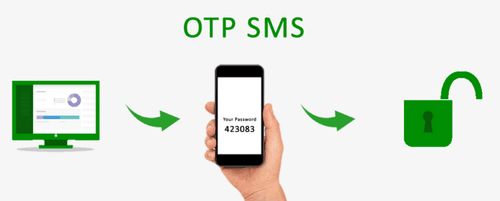
What Is OTP? What Is Its Role in End-to-End Security?

With Chip&Pin technology, card PINs and chip-based transactions became widespread. As online shopping grew, strengthening the security of these transactions became a necessity, and OTP began providing that transaction security.

Apple Card and Apple Pay announcement graphic from Apple's Special Event

Credit Card

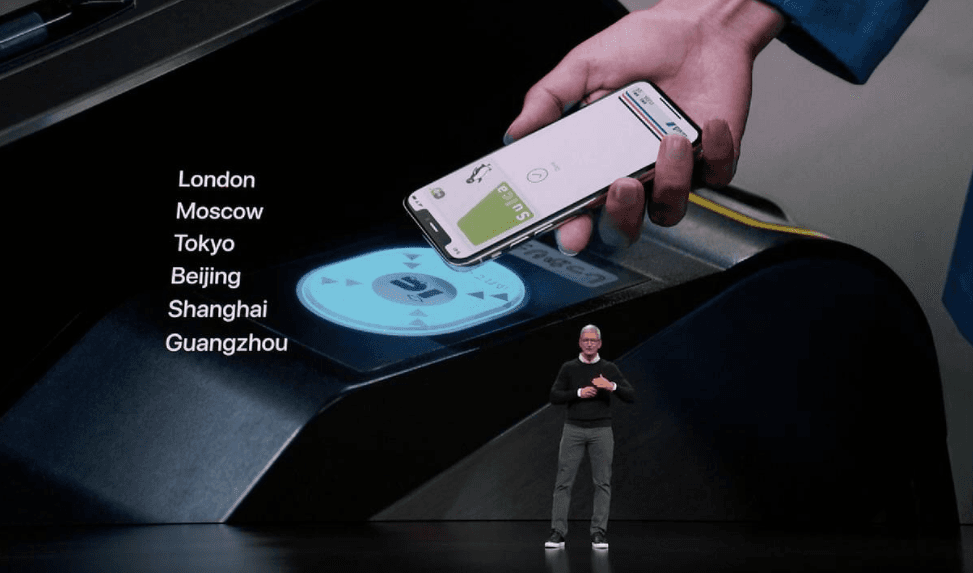
Apple Is Rewriting the Card World...

Most of us remember the impact the first iPhone, introduced by Steve Jobs on January 9, 2007 and revolutionary for its time, had on our lives. In a similar way, a product that will completely change how we use and view credit cards...

Diagram of symmetric key types used in payment systems

HSM & Security

Types of Symmetric Keys

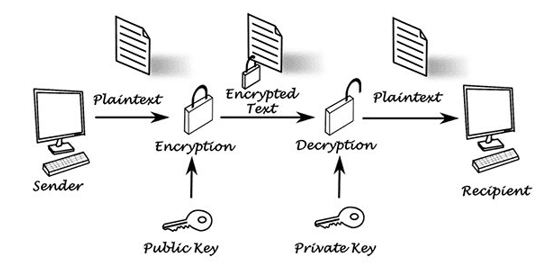
In the world of payment systems, keys and their uses are important for transferring information from one place to another, storing information, and securing authorization and scripting steps. Key types are divided into six categories based on their purpose.