Skip to content

Search

"retail"

36 articles found

Illustration of a Know Your Customer (KYC) identity verification process

Payment Systems

What is KYC (Know Your Customer)?

Know Your Customer, in short, means identifying your customer. The process by which institutions identify their customers and determine their suitability for a business relationship and the risks they may pose is called KYC.
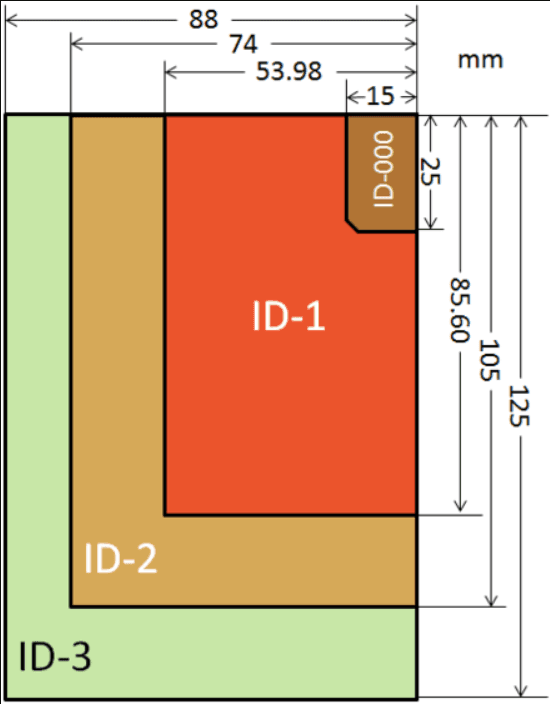
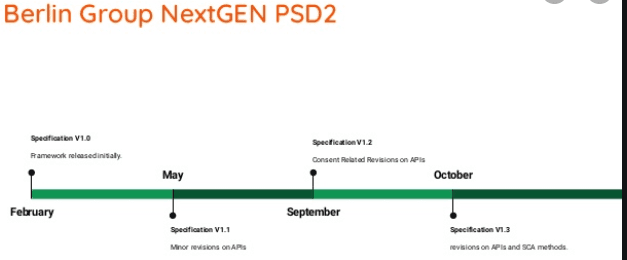
Diagram illustrating the ISO/IEC 7810 card dimension standards

Credit Card

What is ISO/IEC 7810?

The ISO/IEC 7810 standard is an international standard that defines the physical characteristics of cards (credit cards, ATM cards, ID cards, etc.) such as physical dimensions, bending, flame and chemical resistance, temperature and humidity resistance, toxicity, and flammability.

Diagram illustrating the NextGenPSD2 framework for open banking APIs

Open Banking

What Is NextGenPSD2?

NextGenPSD2 is the set of API standards launched by the Berlin Group in 2017, now involving more than 1,700 banks from 20 countries. This post explains what the framework offers to banks, fintechs and third-party providers under PSD2.

Payment card being checked against a card recovery bulletin of problem cards

Merchant & POS

What Is a Card Recovery Bulletin (Card Protection Bulletin)?

A Card Recovery Bulletin is a list of problem cards (lost, stolen, expired, over-limit, counterfeit or otherwise flagged) published by card schemes such as Visa or MasterCard. It shows whether a card number is listed on the date of purchase.

Screenshot illustrating a prepaid card and its features

Credit Card

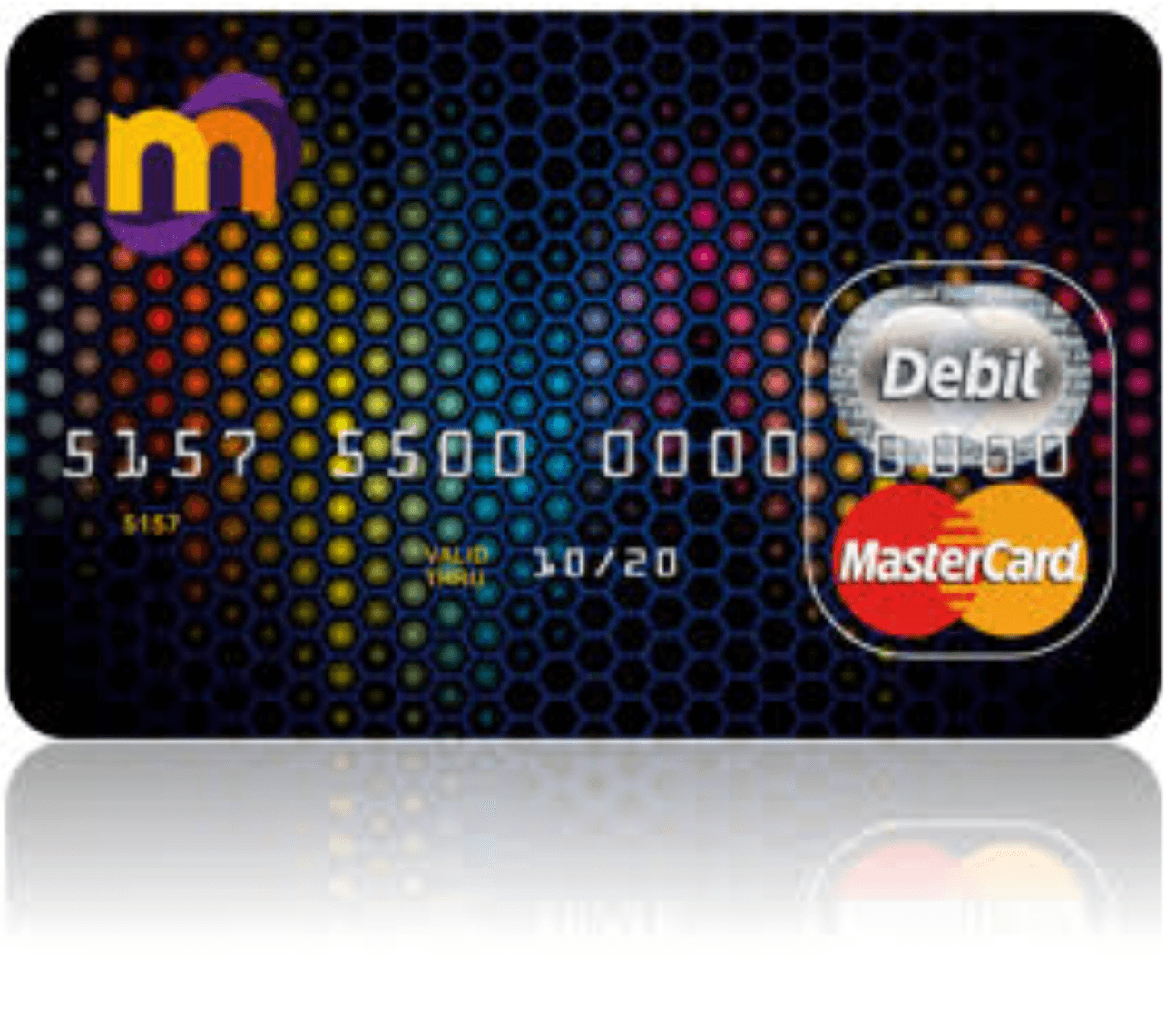
What is a prepaid card?

A prepaid card is a customized card, with or without a chip, not linked to a bank account and without a credit limit like credit cards, letting you spend only the amount loaded onto it.

Illustration showing how an Application Identifier (AID) is used in a chip card transaction

EMV

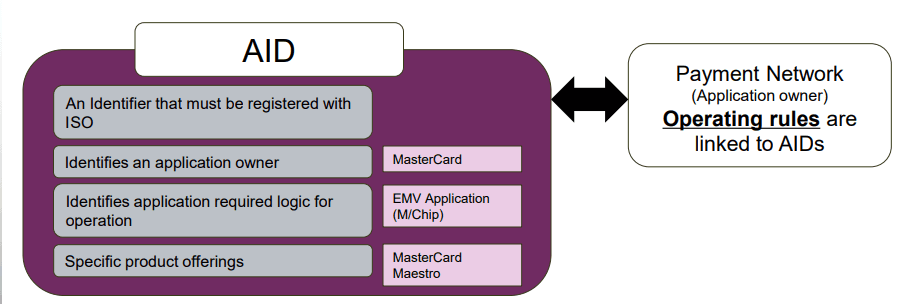
What is an Application Identifier (AID)?

The AID tells the terminal which applications are present on a chip during a POS or ATM transaction. What does the AID do? It lets the terminal determine whether it supports an application on the chip. In Tag 9F06, it is 5-16 digits long.

Infographic of 2018 card payment statistics in Turkey published by BKM

Merchant & POS

2018 Payment Systems Scorecard

BKM (Interbank Card Center) shared 2018 developments in card payments and the cashless society goal in Turkey. The data shows card payments becoming a bigger part of daily life every year.

Illustration of a co-branded credit card combining a bank and a commercial brand

Credit Card

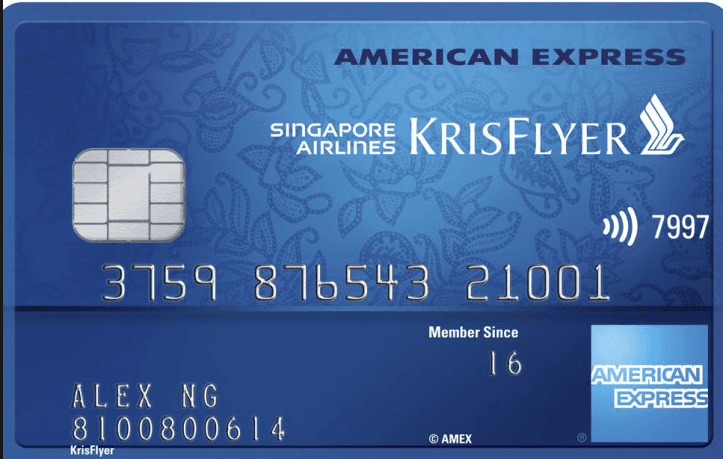
What is a Co-Branded Card?

A co-branded card is a card offered by two or more organizations: one the issuing financial institution, the other a non-financial commercial brand (there may be more than one), such as an airline, hotel, or retail chain.

Bitcoin ATM kiosk used for buying and selling Bitcoin

ATM

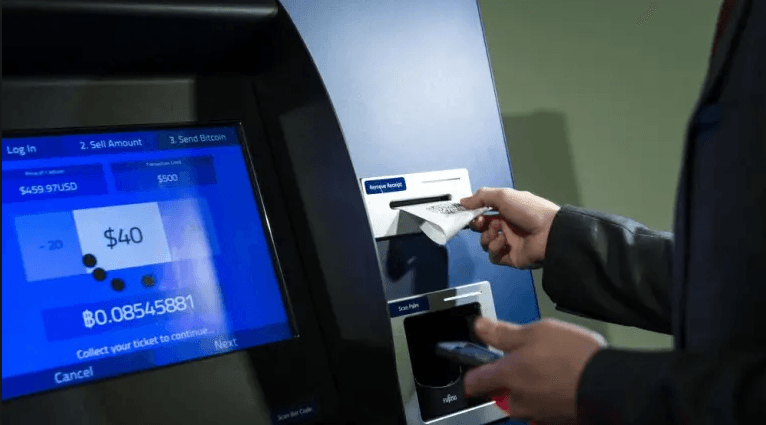
What Is a Bitcoin ATM? How Does It Work?

A Bitcoin ATM (BTM) is a specialized kiosk designed for Bitcoin transactions, letting users buy and sell Bitcoin. General features: it enables Bitcoin purchases and sales, and while it visually resembles traditional ATMs...

Illustration representing Merchant Category Code classification for card transactions

Merchant & POS

What Does a Restricted/Prohibited MCC Mean?

The MCC code, or Merchant Category Code, is a 4-digit code used to classify merchants. Some MCC codes are restricted or prohibited, and POS terminals or card transactions may be blocked when such a code is used.

E-commerce card data storage and security

Credit Card

Can E-Commerce Sites Store Card Details?

Legally, e-commerce sites should not store card details in their own systems; they should only use them when sending transactions. Unfortunately, some sites do not follow this rule.