Credit Card
What Is SAFE (System to Avoid Fraud Effectively)?
SAFE, short for System to Avoid Fraud Effectively, refers to fraud records created by issuing banks. Fraud records sent in the Mastercard clearing format fall under the SAFE category.
Search
35 articles found
Credit Card
SAFE, short for System to Avoid Fraud Effectively, refers to fraud records created by issuing banks. Fraud records sent in the Mastercard clearing format fall under the SAFE category.

Clearing
The Documentation Indicator is a code carried in the F60 (Additional Data) DE05 field of clearing transactions. Used in second presentment and reversal presentment transactions, it shows whether the supporting document has been sent. This post lists the values and their meanings.
ATM
Cash overage and cash shortage are terms used in any system that operates with a cash account. A cash overage means more money is physically present than the ledger indicates; a cash shortage means less. In payment systems, these terms are most often used for ATMs.
EMV
The Card Block command is used after card issuance to deactivate all applications within the ICC, including applications that could be selected indirectly. The components of the command are explained below.
Chargeback
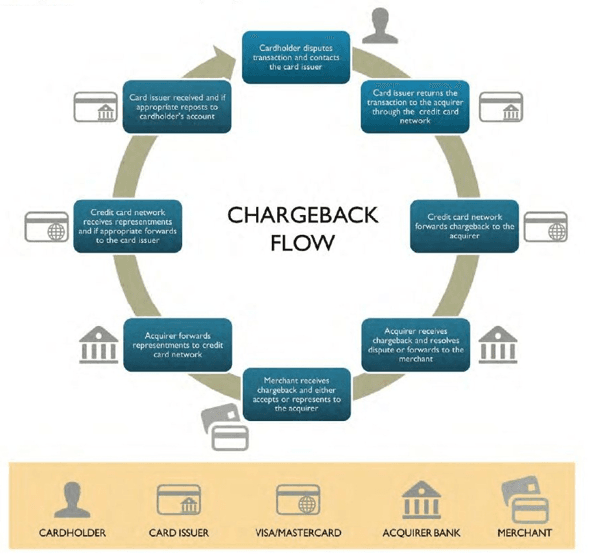
A chargeback is the process of refunding an amount back to a credit card when goods or services paid for are not received, or when transactions not carried out by the cardholder are identified. It is translated into Turkish as reverse presentment.

Credit Card
Due to how payment systems work, authorization is obtained for a transaction first. For a Not Onus transaction (different card and POS banks), the system waits for it to arrive via the clearing incoming file. If it does not arrive within about a week, the transaction expires.

ISO 8583
F60-ADVICE REASON CODE: Used to indicate the specific purpose of an advice/reversal message. It is 60 characters long.
ISO 8583
DE 13 — Date, Local Transaction: the date on which the transaction took place at the point of transaction (ATM, POS). It is 4 digits in MMDD format.
ISO 8583
DE 11 - SYSTEMS TRACE AUDIT NUMBER: A 6-digit unique numeric value generated by the message originator, enabling unique tracking of the transaction. How is STAN generated?
ISO 8583
F39 - RESPONSE CODE: This is the code showing whether the transaction was approved or declined. It is 2-digit alphanumeric. Typically 00 is sent when approved, and a decline reason code is sent when declined.

Credit Card
The Chargeback Document Management System (CDYS) is a system developed by BKM to resolve customer disputes over card payment transactions among BKM members, covering Copy Request, Chargeback, Representment, and related processes.