Skip to content

Search

"sales"

124 articles found

Diagram of a partial authorization where an issuer approves only part of the requested amount

Merchant & POS

What Are the Partial Authorization Requirements for an Acquirer Bank?

Partial authorization lets an issuer approve part of the requested amount when the card lacks the full balance, with the rest paid another way. This post covers the technical, receipt, clearing, reconciliation, merchant and certification requirements for acquirers.

Diagram of the affiliate marketing relationship between merchant, affiliate, and customer

Payment Systems

What is Affiliate Marketing?

Affiliate marketing, in short, is a performance-based promotion and sales approach that distributes an online retailer's product marketing to different people and organizations, letting it achieve the most sales with the least risk.

Buy Now, Pay Later (BNPL) concept illustration

Payment Systems

What is BNPL (Buy Now, Pay Later)?

The term 'Buy Now, Pay Later' (BNPL) refers to deferring payment on a purchase to a later date. The product is delivered to the customer before any payment is made, and the customer pays afterward.

Illustration representing an online marketplace connecting buyers and sellers

E-commerce

What is a marketplace?

A marketplace is an online payment platform where buyers and sellers come together, where products and services are listed for sale, and other operations are facilitated.

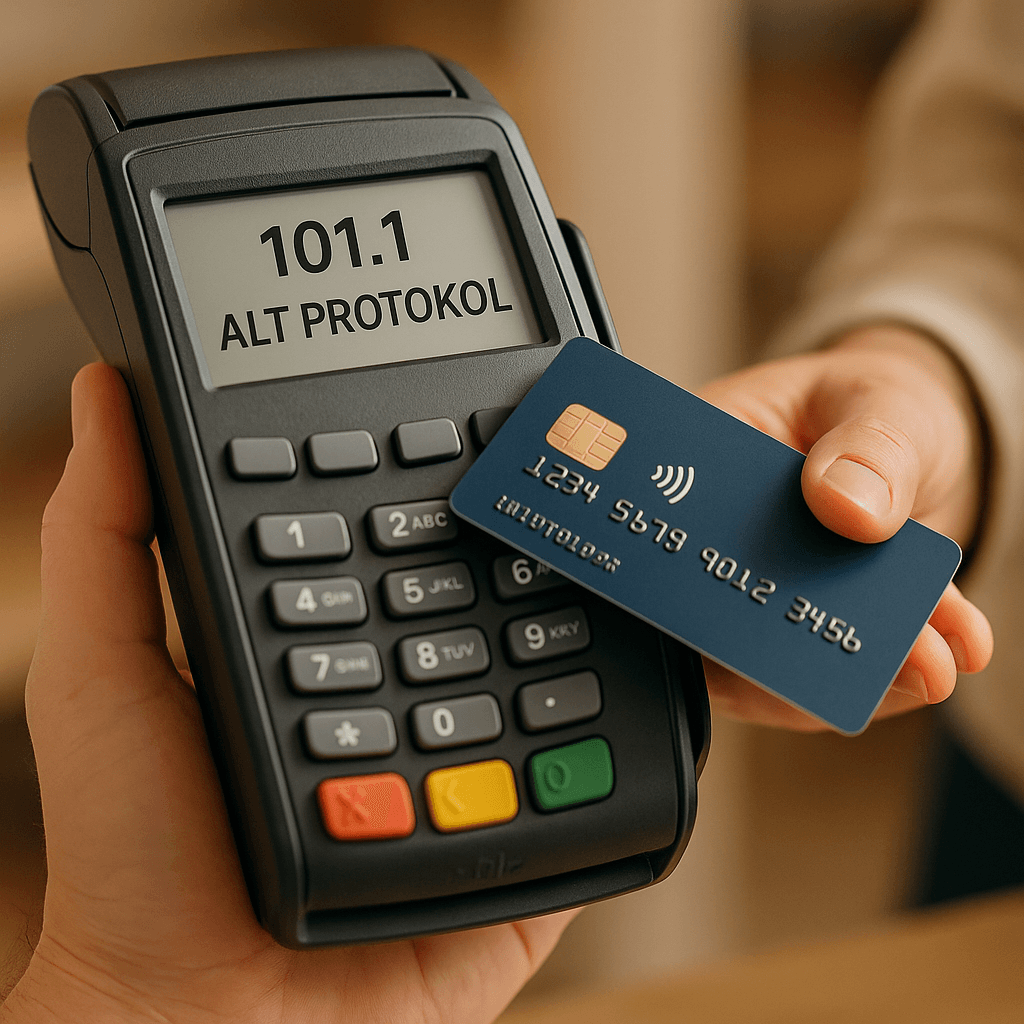
Illustration representing communication protocols used in POS payment systems

Merchant & POS

What Are POS Sub-Protocols and Their Use Cases in Turkey?

In payment systems, every exchange between POS devices and bank or payment institution systems runs on a specific messaging standard, generally based on ISO 8583. However, each country, bank, or switch network defines its own version of this standard.

Diagram of an e-money institution and the services it can provide under Law No. 6493

Payment Institutions & E-Money

What Is an E-Money Institution? Which Services Can It Provide Under Law No. 6493?

The Law defines e-money as monetary value issued in exchange for funds accepted by the issuer, stored electronically, used for payment transactions and accepted as a payment instrument by persons other than the issuer. This post explains e-money institutions and the services they may provide.

Diagram of the Secure Mobile Payment and Electronic Document Management System under VUK 507

Payment Institutions & E-Money

What Is the VUK 507 Communique?

VUK 507 is the common name of Tax Procedure Law General Communique Serial No. 507, published in the Official Gazette on 1/6/2019 on the Secure Mobile Payment and Electronic Document Management System. It sets the rules for sales, collection and electronic document applications.

Illustration of mobile commerce: shopping and payments made on a smartphone

E-commerce

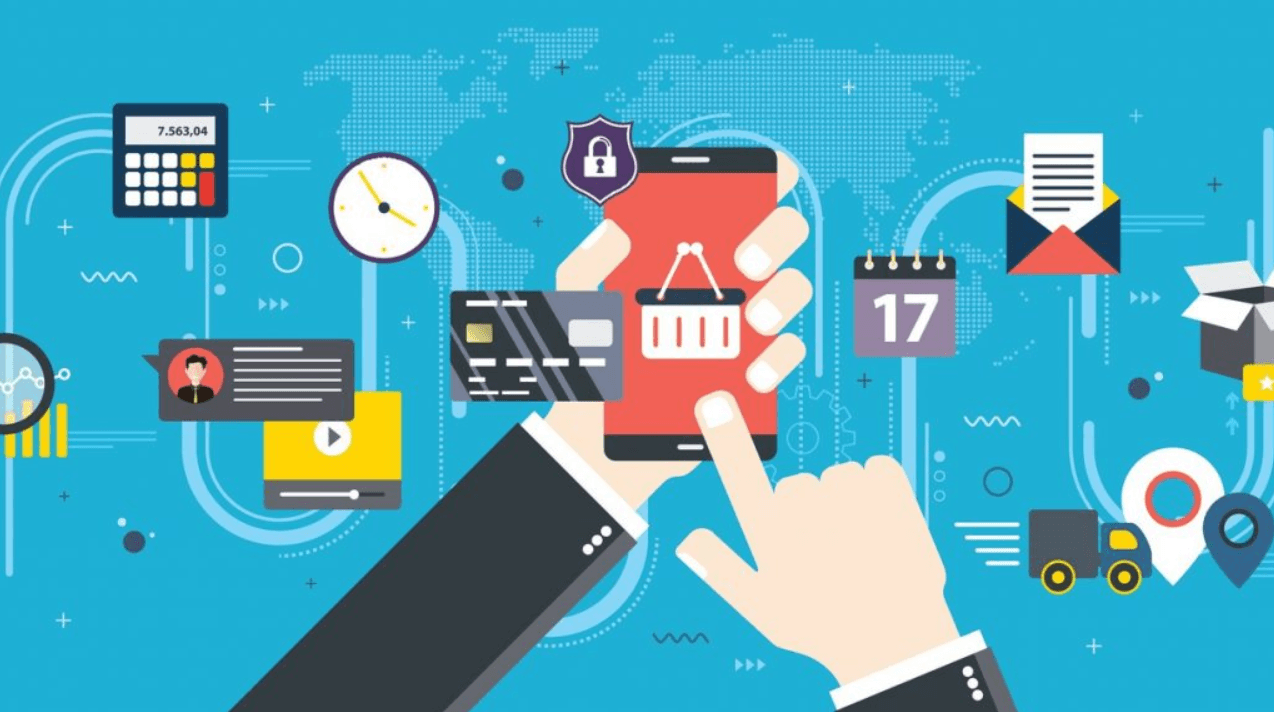
What Is Mobile Commerce?

In recent years, data exchange over wireless mobile devices has become much faster and more secure. In 2019, mobile devices were used in 54.5 percent of purchases made by e-commerce users. With the steady growth in mobile users, mobile commerce keeps gaining ground.

Check-out button on an online payment screen

Security

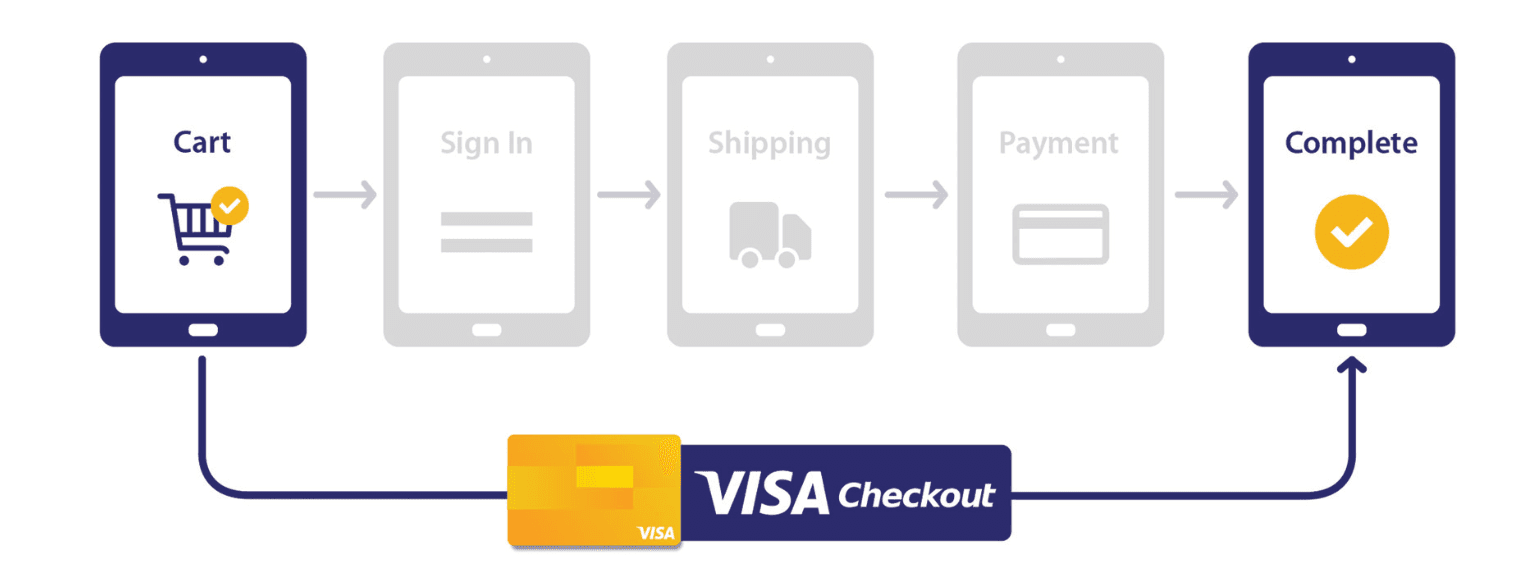
What is Check Out?

In online shopping, converting product browsing into a completed sale after a customer visits your site is just as critical. The amount of purchases abandoned due to friction in the online buying process often exceeds successful sales.