Skip to content

Search

"ATM card"

167 articles found

Table of ISO 8583 response codes that trigger card capture

Merchant & POS

What Are the Card Capture Error Codes?

Response codes returned on payment transactions are critical for managing next steps. Curious which error codes trigger card capture? Under ISO 8583, codes 04, 07, 33, 34, 36, 38, 41 and 43 all result in the card being captured.
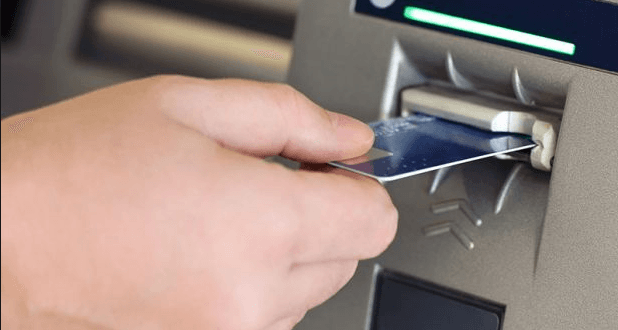
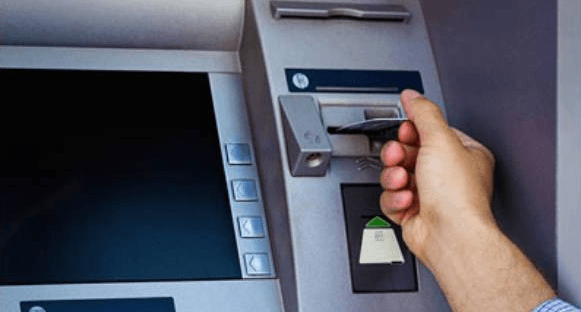
Shared ATM usage between different banks

ATM

What is a Shared ATM?

A shared ATM lets a customer of one bank use another bank's ATM for card or credit card transactions. Within customer limits, shared ATMs allow deposits, withdrawals, balance inquiries, and credit card debt inquiry/payment.

ATM card reader unit

ATM

What are an ATM's Input and Output Units?

The units that let an ATM receive data are called Input Units, and the units that display data are called Output Units. Learn about the card reader, keypad, speaker, display, receipt printer, and cash dispenser.

Diagram illustrating a co-badge card issued under two payment schemes

Credit Card

What is a Co-Badge Card?

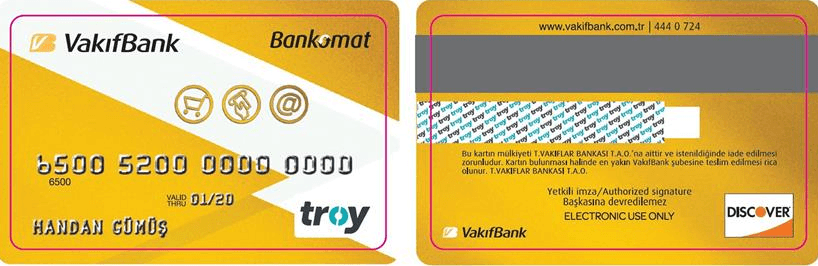
A co-badge card is issued under two or more payment schemes (Mastercard, Troy, Diners Club, Discover, etc.). If a bank's product supports multiple schemes, customers can request a card carrying two or more payment brands.

Overview of card scheme organizations such as Troy, Visa and Mastercard

Laws & Regulations

What Is a Card Scheme Organization?

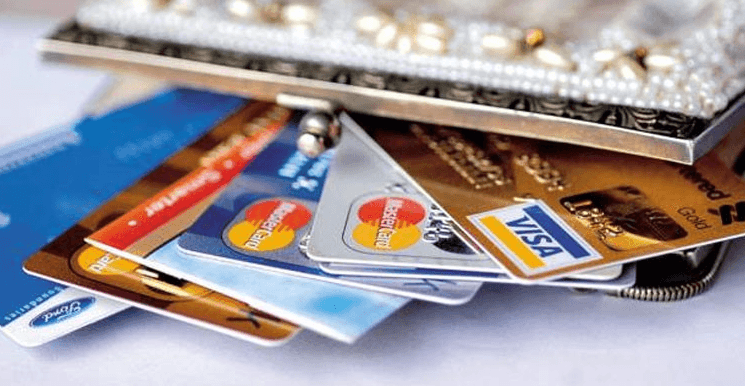
A card scheme organization establishes a debit, credit or prepaid card system and authorizes entities to issue cards or sign merchant agreements. Troy, Visa, Mastercard, American Express, JCB and MIR are examples. This post explains how ATM and POS certification works.

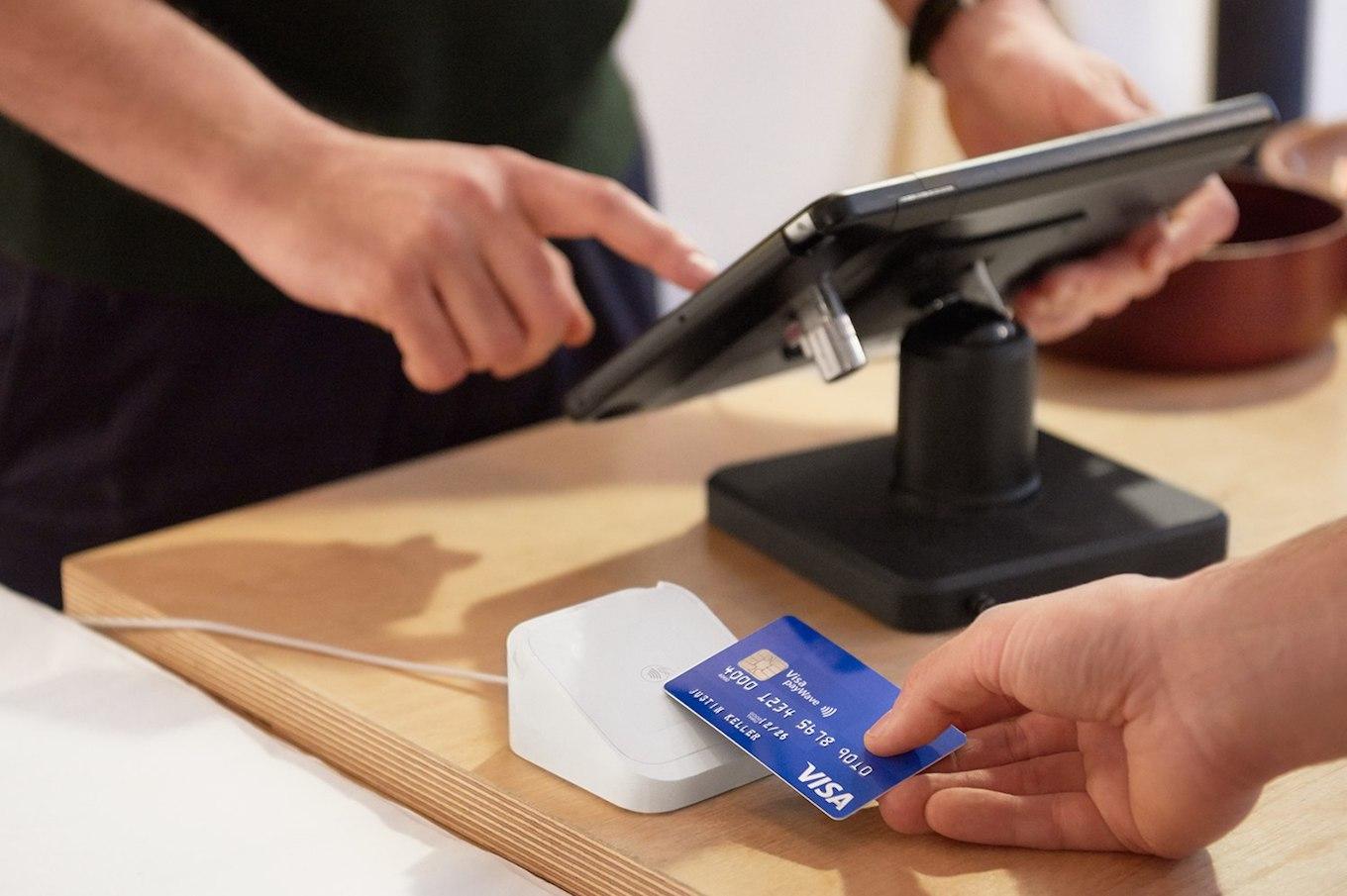
Contactless payment being made with a card at a POS terminal

Online & Authorization

When Does a Contactless Transaction Post to the Account?

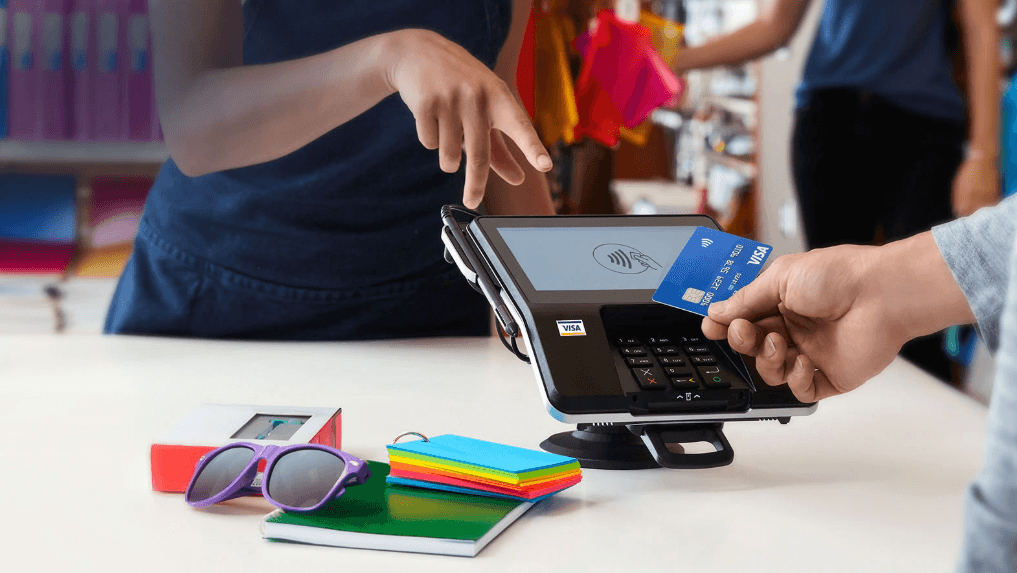
A contactless transaction is a fast, secure payment made without direct contact between the card and the POS terminal (without reading the chip or magnetic stripe). Can every card be used for contactless payments? For a transaction to be contactless…

Illustration representing Merchant Category Code classification for card transactions

Merchant & POS

What Does a Restricted/Prohibited MCC Mean?

The MCC code, or Merchant Category Code, is a 4-digit code used to classify merchants. Some MCC codes are restricted or prohibited, and POS terminals or card transactions may be blocked when such a code is used.

Diagram showing payment systems components managed in-house by a bank

Merchant & POS

What Is 'In-house' in the World of Payment Systems?

In-house is a term widely used in the world of payment systems. It means that payment systems applications are managed end-to-end within the bank's own systems, both in terms of code and process.

Customer making a contactless payment by tapping a card on a POS terminal

Contactless

What Is a Contactless Transaction?

A contactless transaction is a fast and secure payment made between a credit card and a POS terminal without direct contact, without reading the card's chip or magnetic stripe. Both the card and POS terminal must support contactless transactions.

News clipping about the arrest of hacker Hakan Karacaoglu

Fraud

Famous Hacker Caught After 8 Years

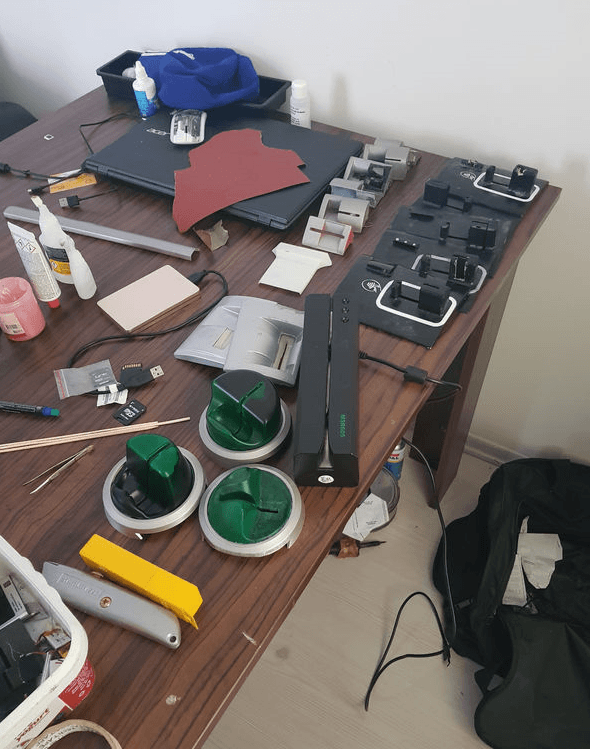
Recently the following news story appeared in the papers. Two things stood out: the hacker was a former banker, and the device he used to clone cards. In banking fraud, insiders who know the system's weak points can build schemes customers never notice.

Card skimming and copied card details

Credit Card

What Should I Do If My Card Details Are Copied?

Card copying usually happens with magnetic stripe debit cards. As soon as you notice your card details have been copied, you can close the card, renew it or change its PIN.

ATM machine with cash dispenser and receipt printer

ATM

What Is an ATM?

ATM stands for Automated Teller Machine, an electronic device that lets customers carry out account transactions with or without a card. It was invented in 1960 by John Shepherd-Barron. The first ATM in Turkey was installed in 1982.