
ISO 8583
ISO 8583 Field Descriptions (F35)
The card's Track 2 data is carried in this field. Track 2 data contains information such as the card number, expiry date and service code.
Search
117 articles found
ISO 8583
The card's Track 2 data is carried in this field. Track 2 data contains information such as the card number, expiry date and service code.
Merchant & POS
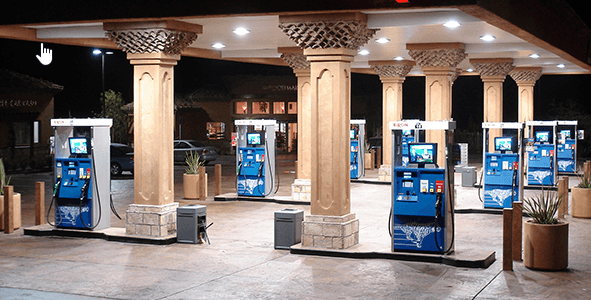
CAT (Cardholder Activated Terminal) devices are typically unattended terminals that accept various payment cards. These terminals are frequently installed at railway ticket stations, gas stations, toll roads, parking lots, and other commercial locations.
HSM & Security
TAK stands for Terminal Authentication Key. It is the data encryption key used to generate and verify a Message Authentication Code (MAC) for data communication between a terminal and the acquirer within a local network.
Payment Systems
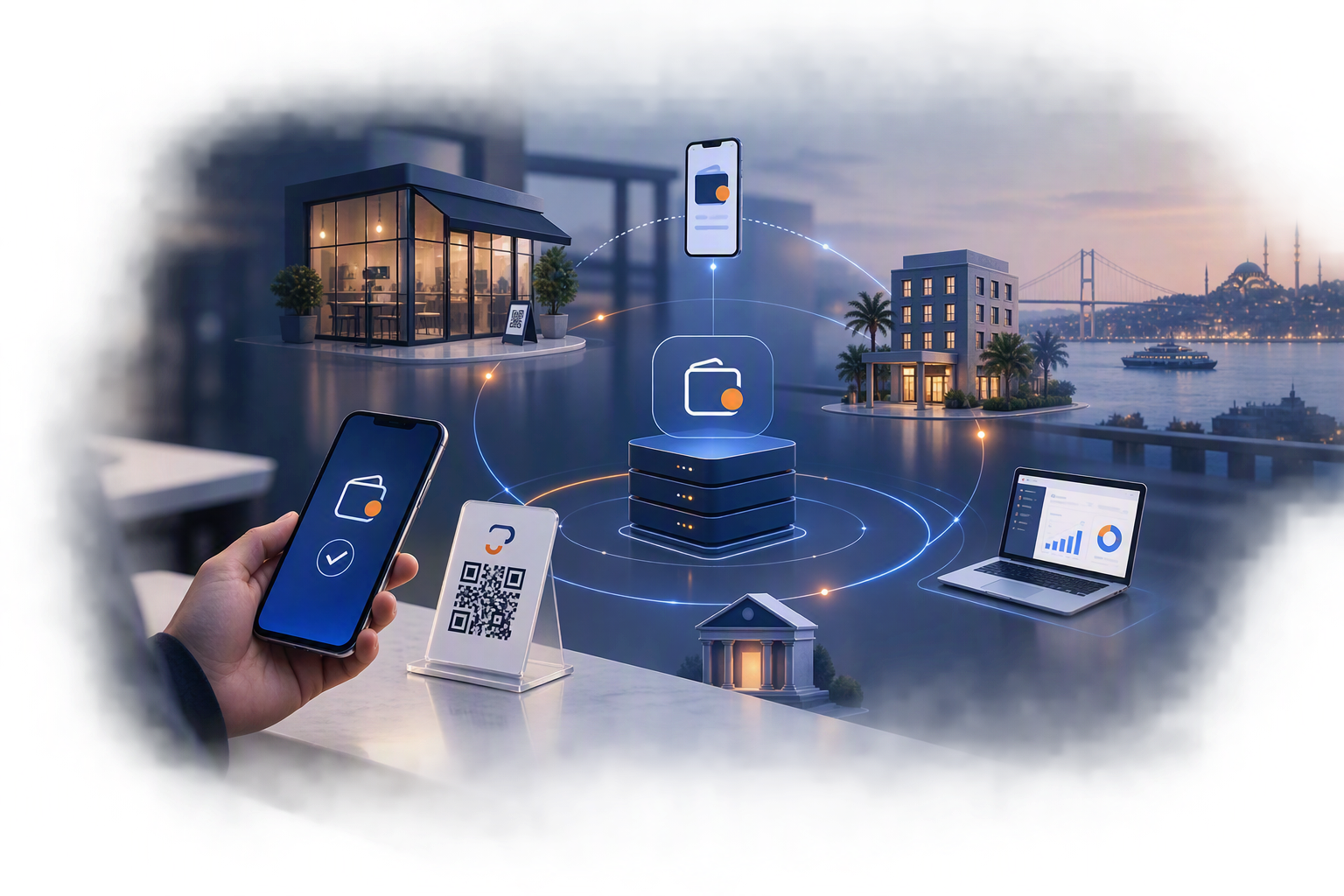
The Hidden Side of the Payments World. The words a person working in the payment systems industry hears most over a career are probably Visa, Mastercard, POS, debit card, virtual POS, acquiring and card issuing. Frankly, my own career did not unfold very differently from that journey...
Merchant & POS
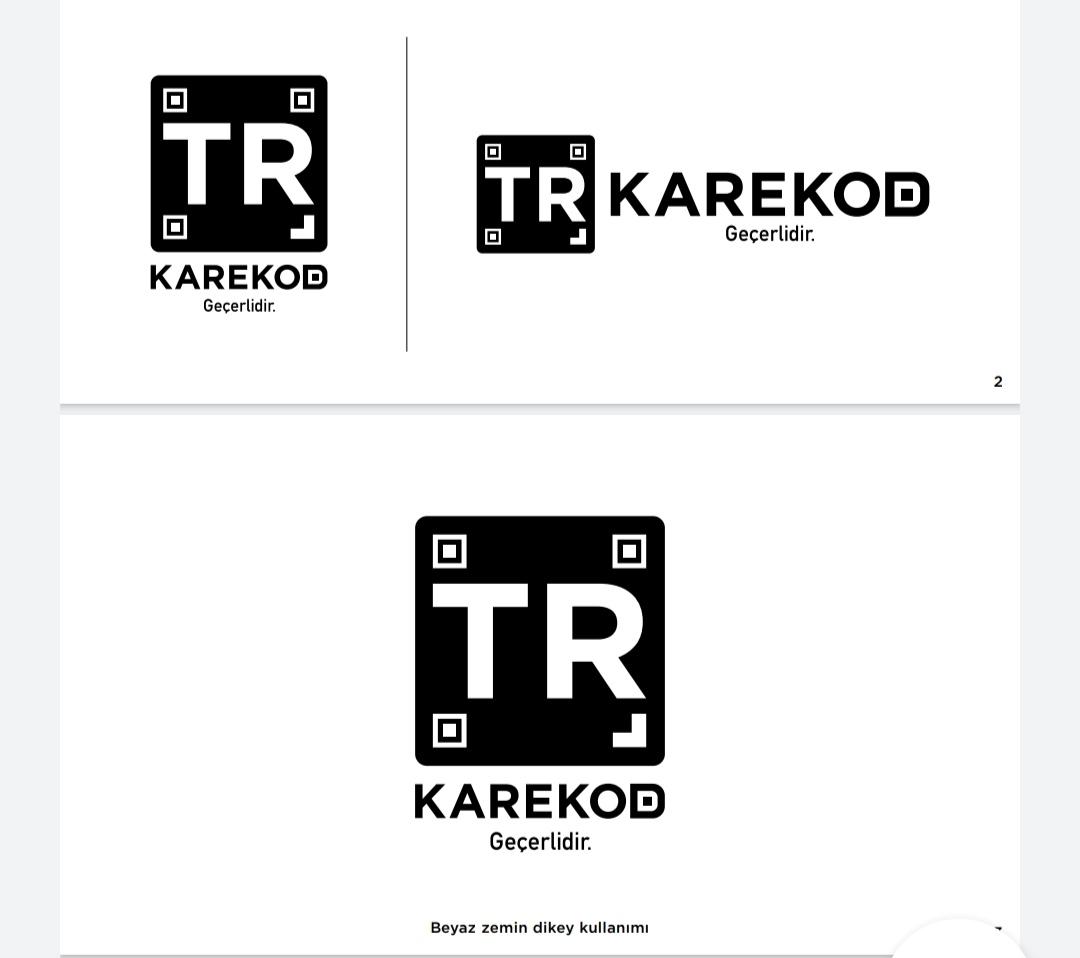
In the world of payment systems, there are new developments every day in both accepting payments and payment methods. QR code payments will undoubtedly become more common in the coming days, and we will make payments with QR codes in many places.

Merchant & POS
E-Commerce can briefly be described as the sale and purchase of products over the internet, a term used since 1969. Virtual POS operates behind e-commerce transactions, which take place at different levels: Non 3D, Half 3D, and Full 3D Secure.
Closed-Loop Payments
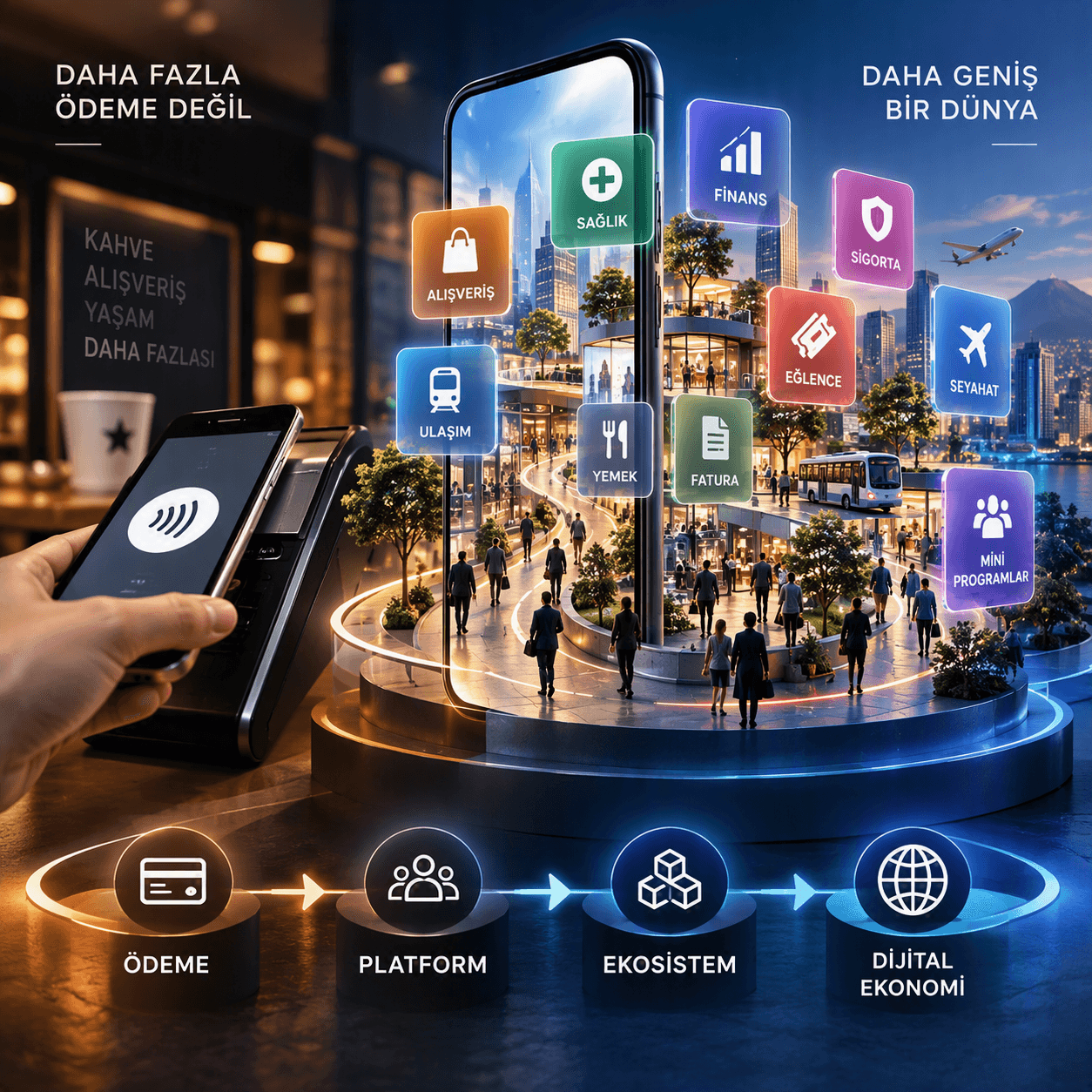
Why does a coffee chain build its own loyalty program, and why does a payment app keep adding services? This post looks at how loyalty, data, and new services drive the growth of closed-loop payment systems, and at the financial layers behind that growth.
Payment Systems
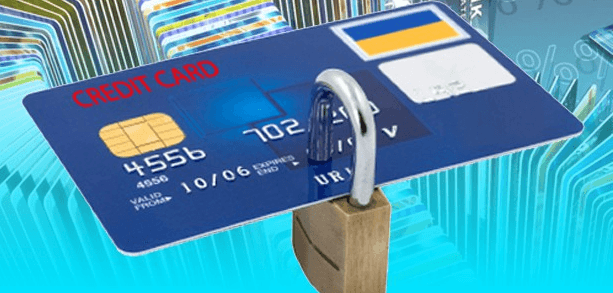
A Half 3D Secure transaction is, in short, the term used when the merchant supports 3D Secure but the card does not. Can such transactions occur as 3D Secure/Half Secure when the merchant does not support 3D Secure? A transaction started without the 3D process is treated as Non-Secure.

Payment Systems
In payment systems, an “appeal” is the process of objecting to the outcome of a transaction dispute. It is usually discussed alongside chargebacks, but it plays a critical role in interbank dispute resolution, when a party asks the card scheme to re-evaluate a concluded decision.

3D Secure
Especially with the growth of the internet, credit card transactions have started shifting from physical POS terminals to virtual POS terminals. In virtual transactions, the 3D Secure structure is used instead of the card PIN entered in physical transactions. So how is a transaction's…
Security
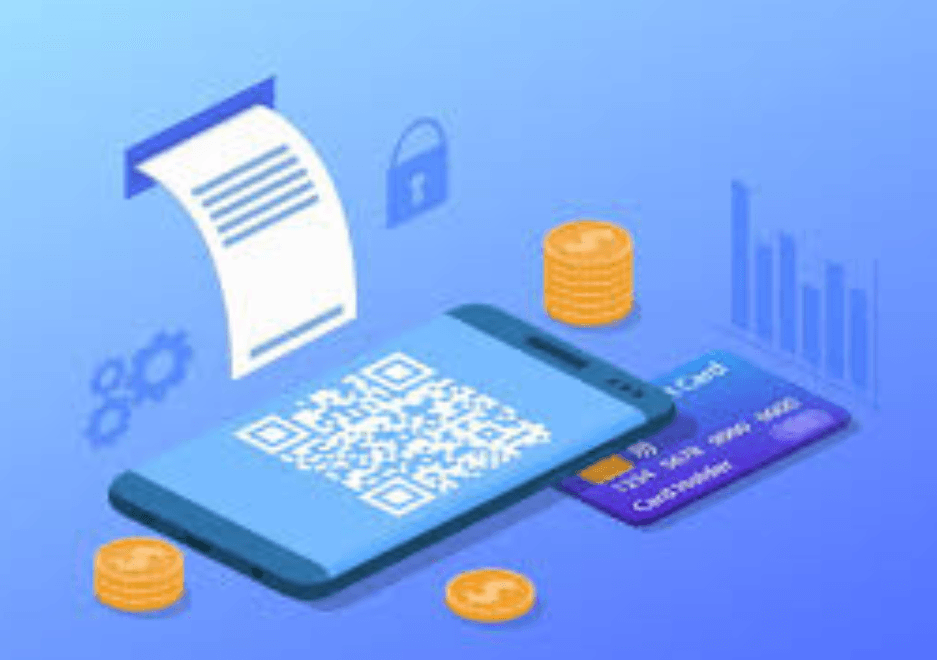
The first transaction made after a customer's card data is stored with a merchant is called the First Credential-On-File transaction. BKM expects it to be flagged with the value "C" in switch message field DE48.PDS86, and BRSA draft rules govern how card data may be stored.
Online & Authorization
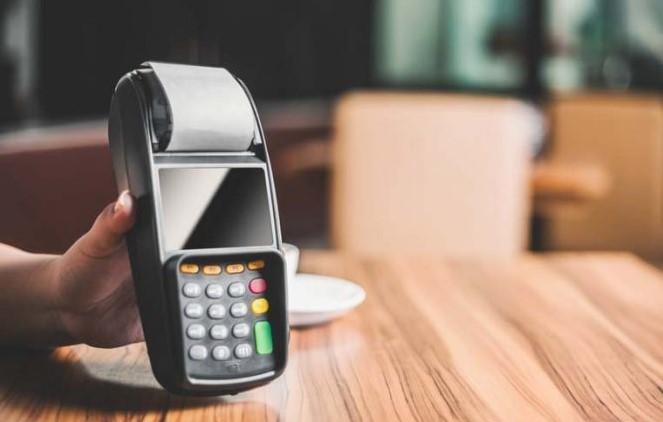
These are codes that communicate the issuer's conditions for approving a transaction online (IAC-Online), for declining it (IAC-Denial), or for declining it when the terminal cannot go online (IAC-Default).