Skip to content

Search

"card data security"

126 articles found

Diagram comparing the 3D, 3D Pay, and 3D Pay Hosting payment models

Payment Systems

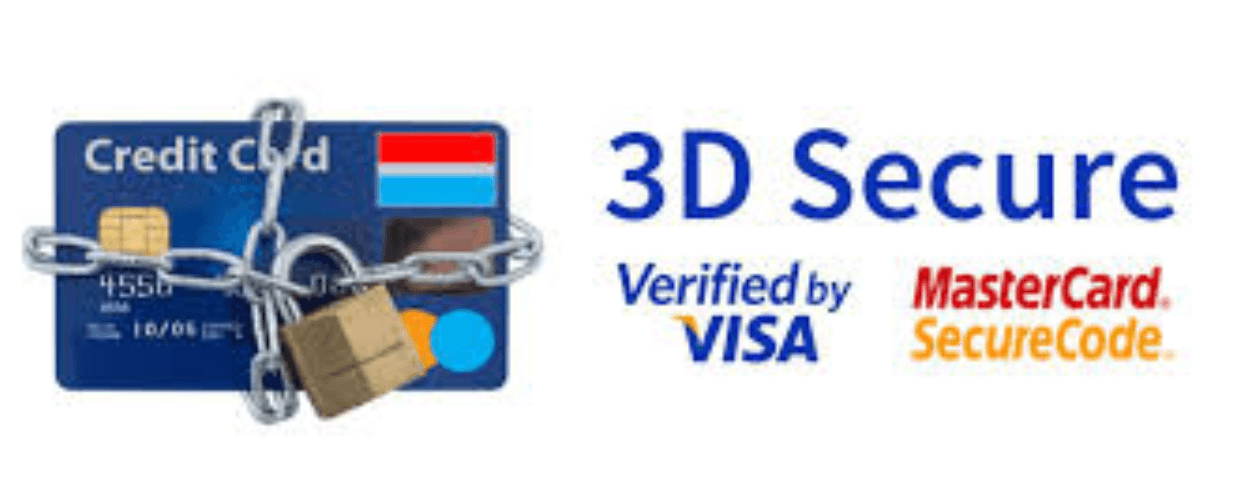
What are the 3D Secure Payment Models?

In card payment transactions made via a physical POS device, entering the card's PIN keeps the transaction secure, while in virtual POS transactions, security is provided through the 3D Secure flow. Are 3D Secure payment methods standardized? There are 3 different 3D Secure models.
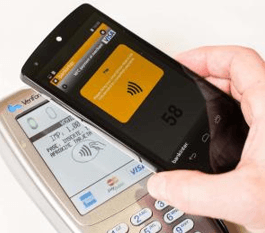
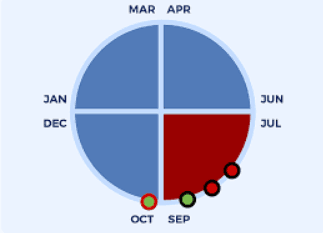
Diagram illustrating the ISO/IEC 14443 contactless card communication standard

HCE

What Is the ISO/IEC 14443 Standard?

An international standard that defines proximity cards used in Near Field Communication (NFC) and the protocols used to communicate with them. It has 4 parts; Part 4 covers NFC and HCE operations.

Diagram of an external quarterly network vulnerability scan for PCI DSS compliance

Security

What Is a Quarterly Network Scan?

An external network scan run every 3 months by an Approved Scanning Vendor authorized by card schemes such as MasterCard and Visa, required for PCI DSS compliance. It checks whether merchant systems are protected against external threats.

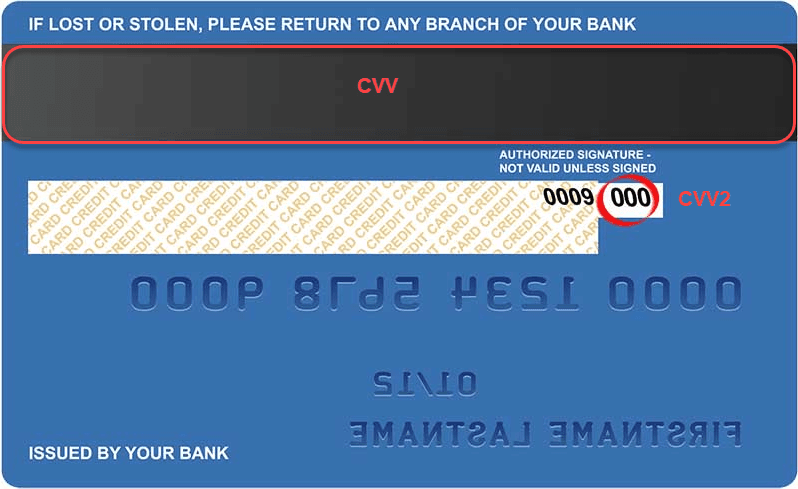
Comparison chart showing the differences between CVV and CVV2 security codes

Credit Card

What Is the Difference Between CVV and CVV2?

CVV (CVC) and CVV2 (CVC2) are two terms that cardholders often confuse. Both are used for verification in card transactions, but there are notable differences between them, such as where each is printed and which transactions use it.

Illustration of Host Card Emulation (HCE) enabling contactless mobile payments

Online & Authorization

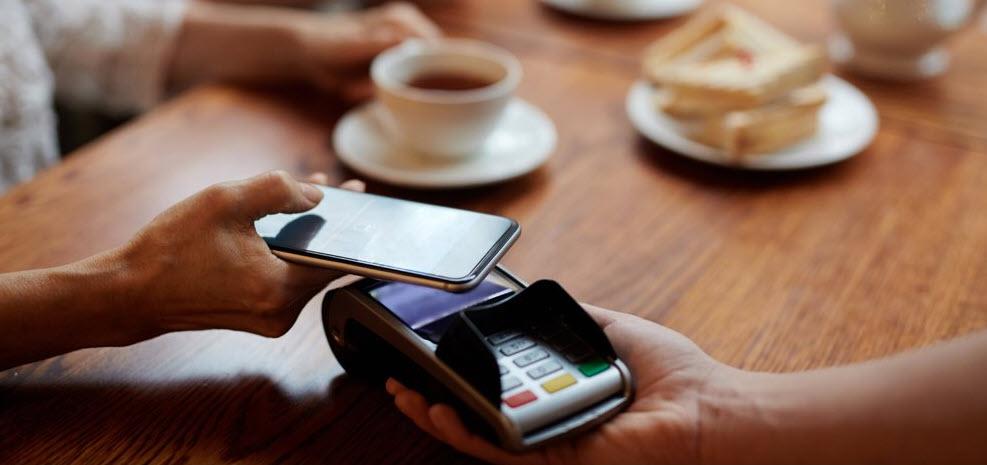
What Is HCE?

HCE lets a mobile device's operating system emulate the cards we use daily (credit, debit, gift cards, etc.) to make contactless payments via NFC. In other words, our phones behave like the cards we use for payments.

Person entering card details on an online payment page

E-commerce

What is Online Payment?

Making payments over the internet using a card is called online payment. Learn what online payment systems are used for and what happens behind an online transaction, from the payment gateway to the issuing bank.

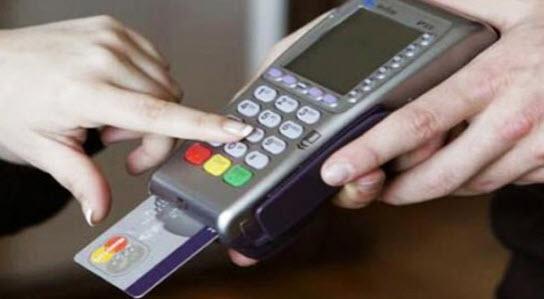
PIN pad device connected to a POS terminal

Merchant & POS

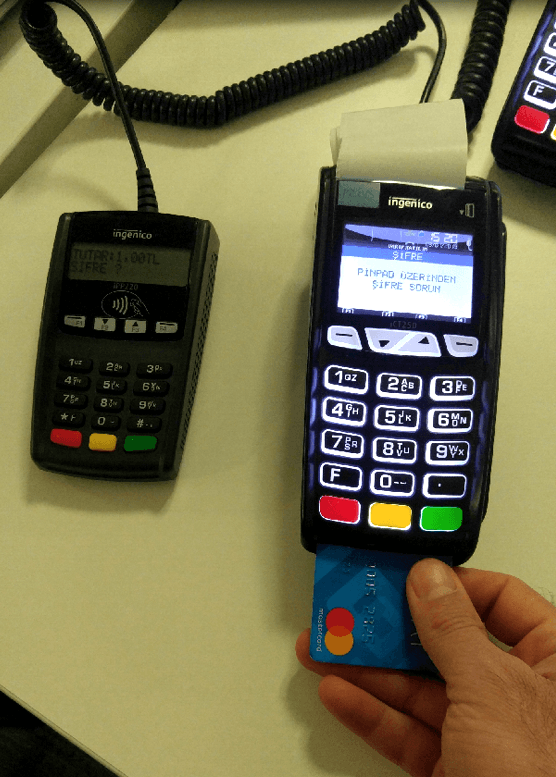
What Is a PIN Pad Device?

A PIN pad lets cardholders safely enter their PIN during POS transactions and lets contactless cards be tapped to transfer card data to the POS. Here is how it works.

Diagram of the components that make up an HCE transaction token

HCE

What components make up an HCE Token (Transaction Token)?

The token used in HCE transactions contains more than just a new number derived from the card number. It also includes single-use keys, an expiration date, RSA keys and certificates, transaction limits, and an Application Transaction Counter (ATC).

POS terminal processing an EMV chip card transaction

Credit Card

Application Interchange Profile (AIP)

The Application Interchange Profile indicates the application functions supported by the card. The AIP values and their descriptions are given below. Where is the AIP found? The AIP is a 2-byte piece of data stored on the card, carried under EMV tag 82.

BKM Express digital wallet screen

E-commerce

Will BKM Express Continue to Exist?

BKM Express has pioneered card storage and digital wallets in Turkey. After the Competition Authority's termination decision, a Board decision revoked it, so BKM Express will continue. Here is the latest situation.

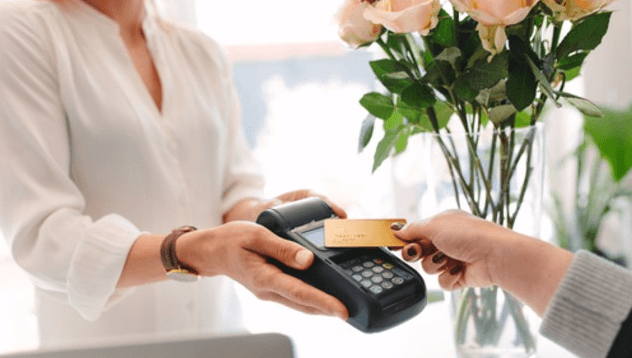
Contactless payment being made with a chip debit card at a POS terminal

Debit Card

Can a debit card (ATM card) be used for contactless transactions?

A contactless transaction is a fast, secure payment made between a chip card and a POS device without direct contact, without the card's chip or magnetic data being read through the card reader. Can this be done with a debit card (ATM card)?