Chargeback
What are the chargeback dispute types?
A chargeback is a dispute raised against a card transaction when the cardholder did not make it or does not recall it. The dispute types vary depending on the situation; let's look at them.
Search
81 articles found
Chargeback
A chargeback is a dispute raised against a card transaction when the cardholder did not make it or does not recall it. The dispute types vary depending on the situation; let's look at them.
Chargeback
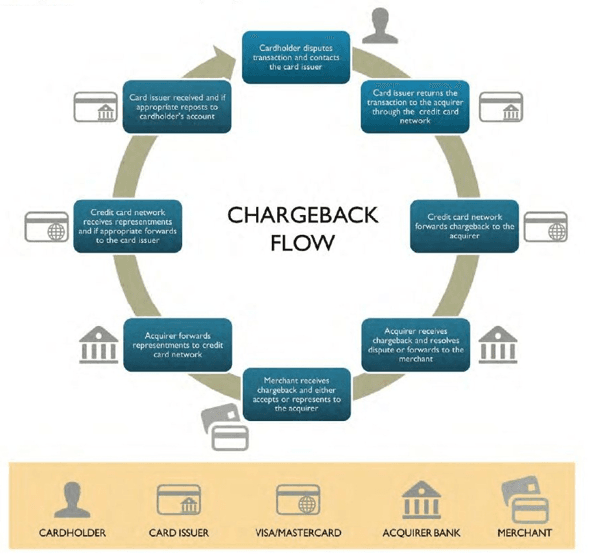
A chargeback is the process of refunding an amount back to a credit card when goods or services paid for are not received, or when transactions not carried out by the cardholder are identified. It is translated into Turkish as reverse presentment.

Credit Card
First, your card must be enabled for e-commerce transactions, with domestic and international authorizations usually managed separately. Second, your card must be eligible for 3D Secure transactions.
Online & Authorization
A reference guide to authorization response codes seen on POS and ATM transactions, with plain-language explanations of what each code means and what to do about it.

Fraud
Recently the following news story appeared in the papers. Two things stood out: the hacker was a former banker, and the device he used to clone cards. In banking fraud, insiders who know the system's weak points can build schemes customers never notice.

Chargeback
Chargeback reason codes vary by card scheme. The Amex chargeback reason codes and their descriptions are listed below: American Express Chargeback Reason Codes A01 The charge you submitted did not receive a valid authorization approval code for the amount...
Credit Card
When the card-issuing bank and the POS bank are different, first obtaining authorization and then running the clearing process to finalize the transaction is called Dual Messaging. So why is a dual message structure needed?

Security
Forgery in card payments means transactions made with card details without the cardholder's knowledge, or purchases with counterfeit or stolen cards. Merchants cannot eliminate fraud and chargeback risk, but they should aim to reduce it to reasonable levels.

Merchant & POS
When signing a merchant agreement, merchants declare their line of business, which banks record as an MCC (Merchant Category Code). A merchant may only sell products or services within the line of business declared to its bank.

Credit Card
KKB was established, under banking law, to enable the exchange of all kinds of information and documents among at least five banks, and it also shares credit information about customers. The Credit Bureau of Turkey also serves deposit banks, participation banks, financial institutions, and more.
Chargeback
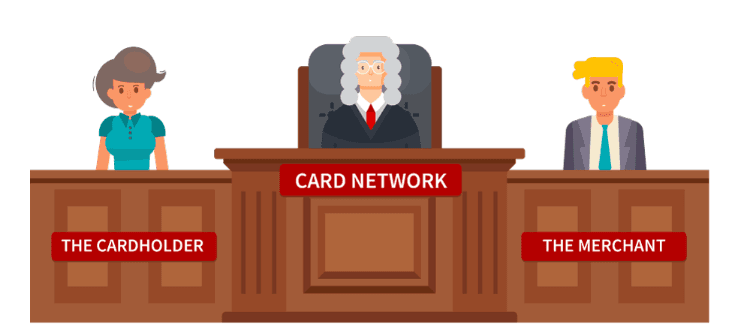
Arbitration, by definition, is a dispute resolution method in which disputes are settled by arbitrators the parties choose themselves, rather than by official courts. In payment systems, it follows a chargeback when the issuer and acquirer cannot agree.
Merchant & POS
In payment systems, exchange rate information is used in two places: POS devices that support foreign currency transactions, and credit card transactions made in a foreign currency (usually abroad).