Skip to content

Search

"card terminal"

217 articles found

Illustration representing credit card loyalty points and rewards

Merchant & POS

What are Loyalty Points?

Loyalty points are promotional rewards banks give customers for credit card transactions, tracked on a card/customer basis. Banks charge merchants a commission on POS transactions, and some share part of that commission with cardholders as points.

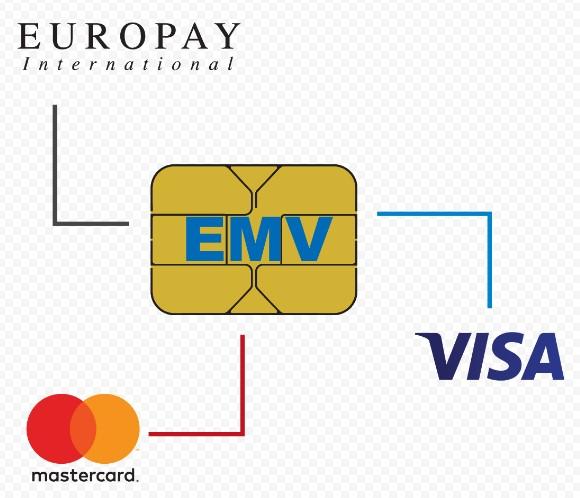
EMV chip card illustration

Online & Authorization

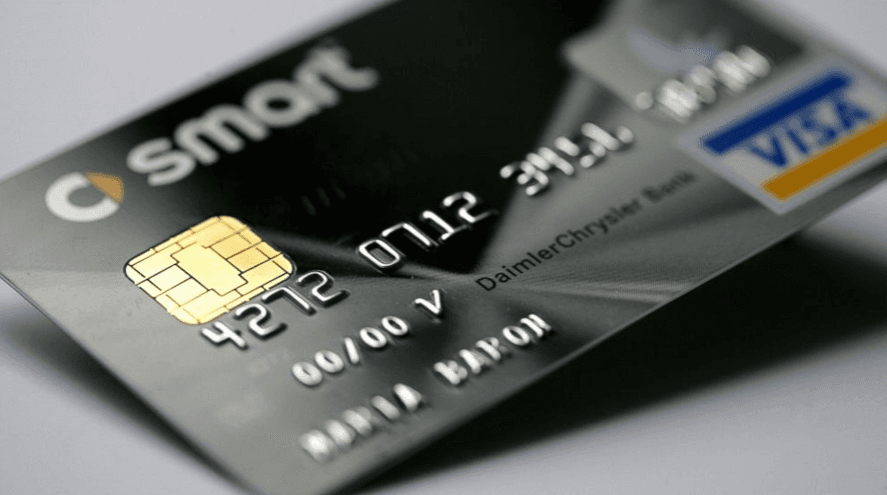
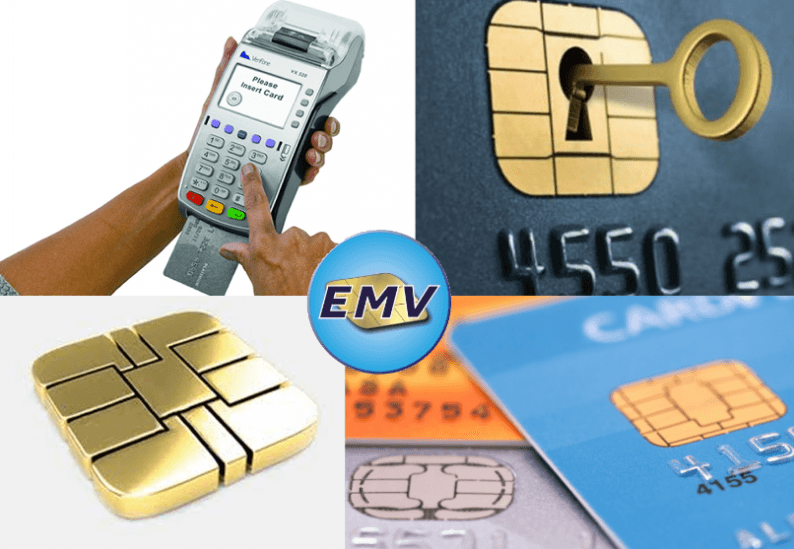
What is EMV?

EMV stands for Europay, Mastercard and Visa. In 1994 these companies formed a working group to set chip-card standards, leading to the EMV standards used worldwide today.

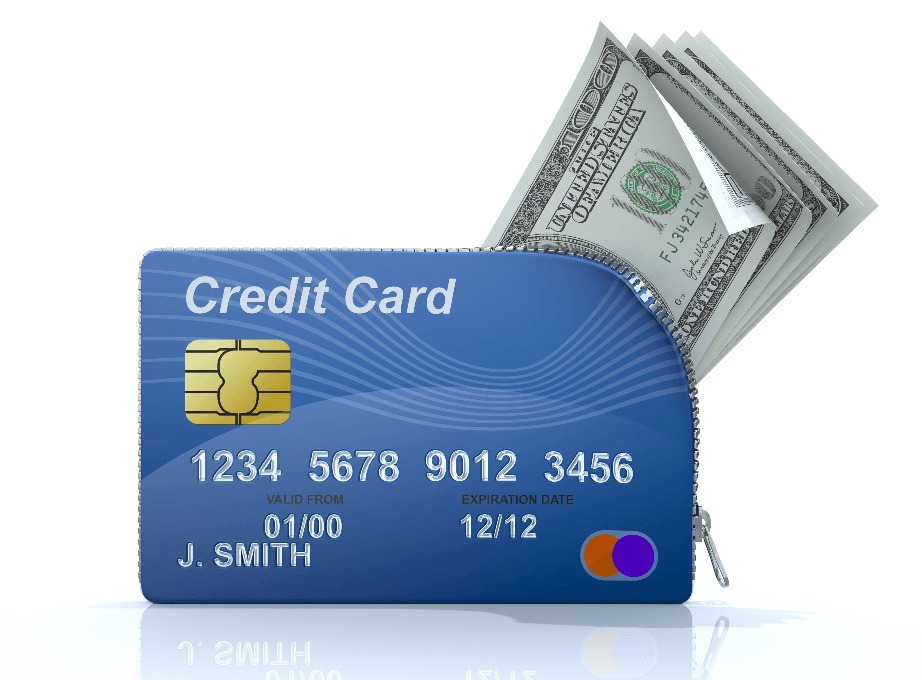
Illustration representing a virtual card used for mail order and e-commerce payments

Credit Card

What is a Virtual Card?

A credit card number created based on a credit card, not physically printed, usable in all virtual purchases (mail order, e-commerce, etc.). It is generated instantly upon request, usable right away, created with a zero limit, and free of charge.

Illustration of digital transformation in payment systems

Merchant & POS

How Digital Are You in Payment Systems?

Digitalization has brought major change to payment systems, just as it has to every area of our lives. Its biggest impact has been turning the financial world into something virtual, spanning IoT, mobile payments, blockchain and biometrics.

UnionPay logo

Payment System Institutions

What is the UnionPay Online Payment System (UPOP)?

UnionPay Online Payments (UPOP) lets merchants in China, New Zealand, Australia and other countries extend their e-commerce stores to accept UnionPay payments. UnionPay supports over 5 billion cards in more than 140 countries.

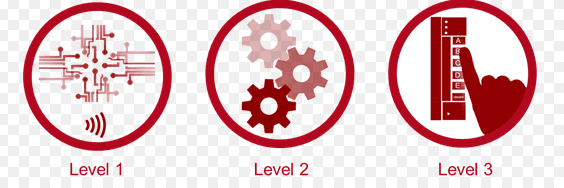
Diagram illustrating EMV Level 1, Level 2, and Level 3 certification stages for payment terminals

Merchant & POS

What Are EMV Level 1, Level 2, and Level 3 Certifications?

The EMV Level 1 standard refers to an important global payment industry specification defining the electrical and physical interface between credit and debit cards and the payment terminal (ATM/POS). The EMV Contactless Level 1 certification guarantees that the device…

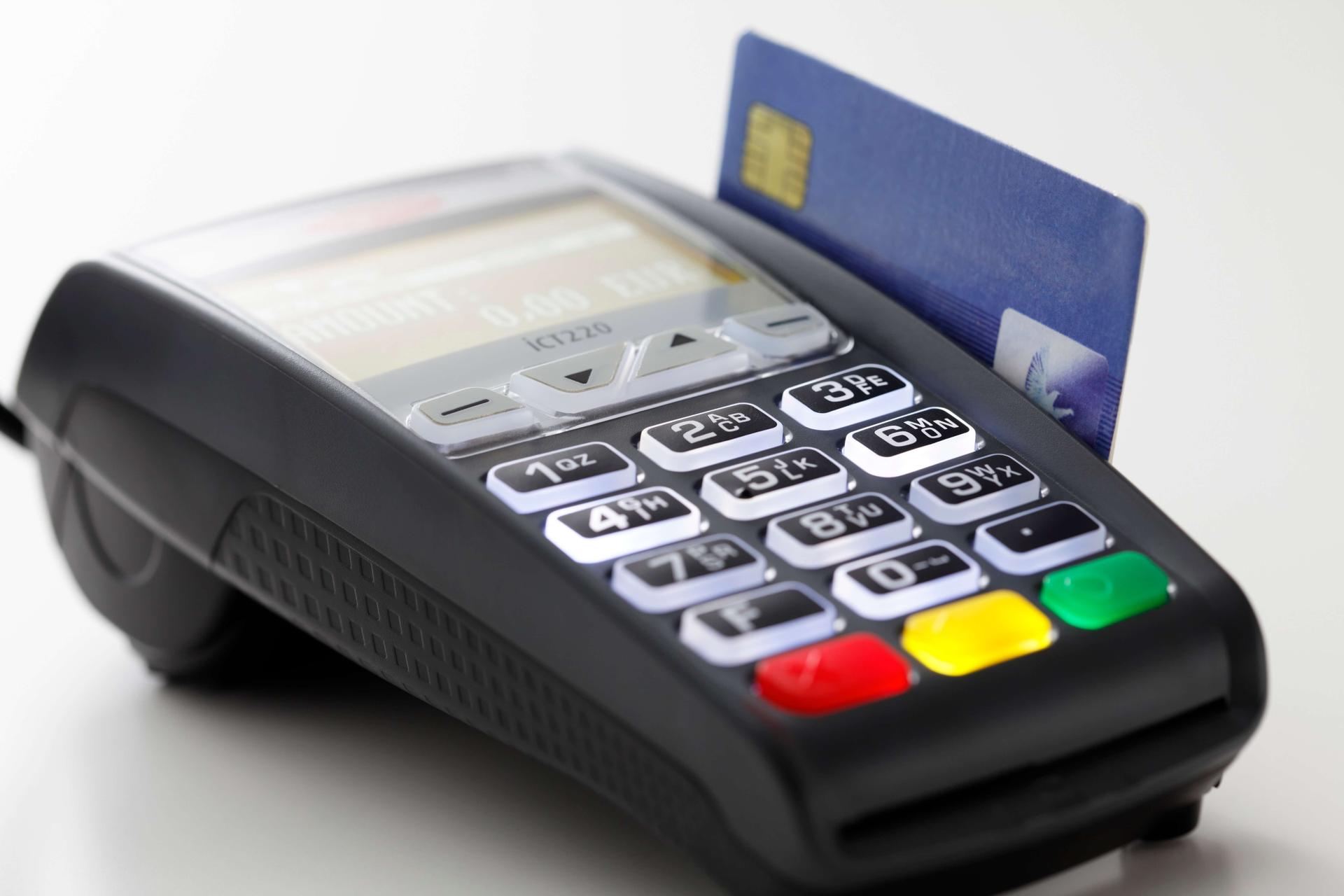
POS terminal device used to process chip card payments

Merchant & POS

What is Application Usage Control (AUC)?

AUC (Application Usage Control) specifies restrictions that limit an application by geography or by specific transaction types. It is a 2-byte data element in Tag 9F07. If present, the terminal performs checks such as whether the transaction is at an ATM.

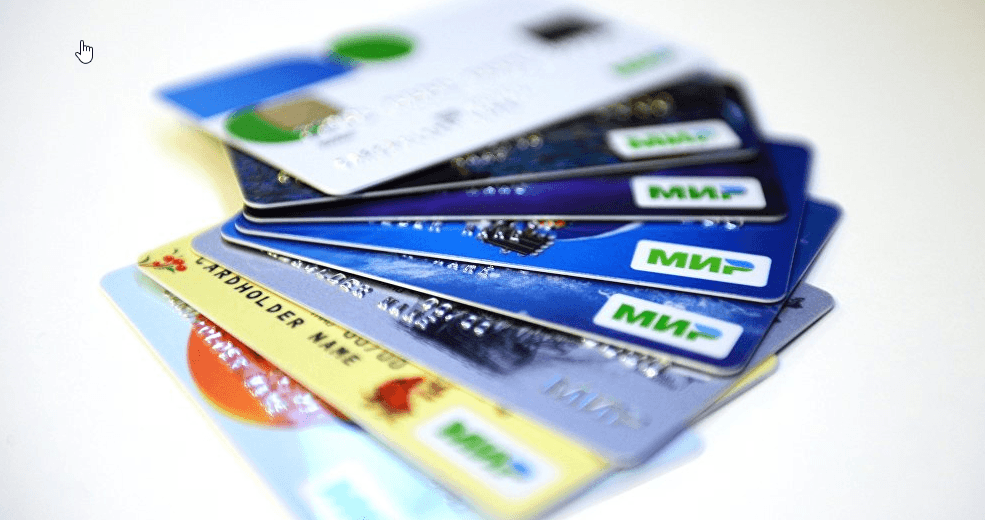
Illustration representing the Mir payment card scheme

Merchant & POS

2 Turkish Banks Agreed to Accept the Mir Payment System

In Turkey, there are 3 payment schemes we are used to seeing: MasterCard, Visa, and Troy. American Express and Diners Club are also used, though less widely. Russia's Central Bank recently said two Turkish banks are preparing to accept Mir cards.

Diagram illustrating how netting works between two banks in the clearing system

Clearing

What Is Netting in the Clearing System?

In payment systems, a transaction made at a merchant or ATM with a card issued by a different bank becomes subject to clearing. Netting offsets each participant's receivables and payables from these transactions into a single balance.

Application Unblock command structure diagram

EMV

What is the Application Unblock command?

The Application Unblock command removes the block placed on an application by the Application Block command, making the application usable again. Like Application Block, it is a command sequence managed after the card is presented to the terminal.