Skip to content

Search

"information security"

221 articles found

Courier handing a package to a customer for cash-on-delivery payment

Merchant & POS

What Is Cash on Delivery?

Cash on delivery means paying for an online order at the moment of delivery, usually in cash, though some e-commerce sites also accept card payment at the door. It boosts sales and builds trust, but carries risks like missing POS terminals and refused deliveries.
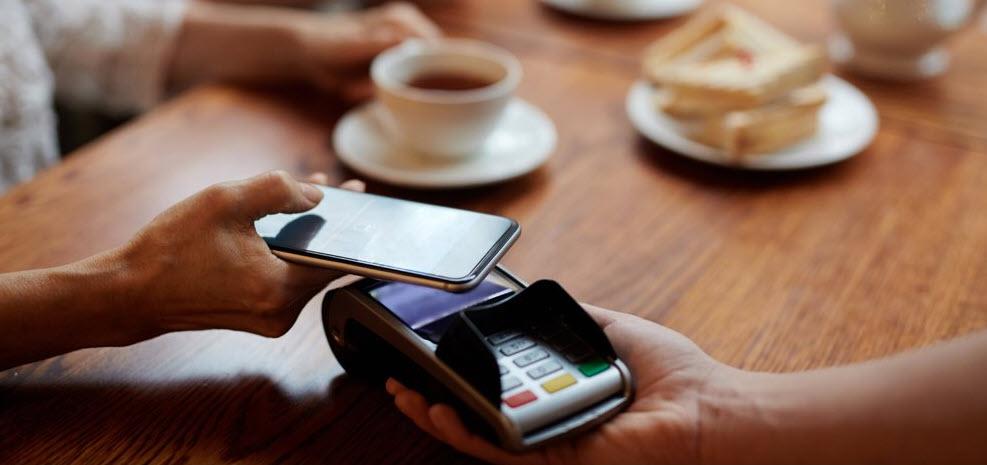
Diagram of the chargeback process between cardholder, issuer and acquirer

Chargeback

How to Reduce Chargebacks (For Cardholders)

A chargeback is when a cardholder asks the issuing bank to refund a transaction made without their knowledge. It cannot be prevented entirely, but simple precautions can minimize the risk. Here is how the process works and what cardholders should do.

Illustration of Host Card Emulation (HCE) enabling contactless mobile payments

Online & Authorization

What Is HCE?

HCE lets a mobile device's operating system emulate the cards we use daily (credit, debit, gift cards, etc.) to make contactless payments via NFC. In other words, our phones behave like the cards we use for payments.

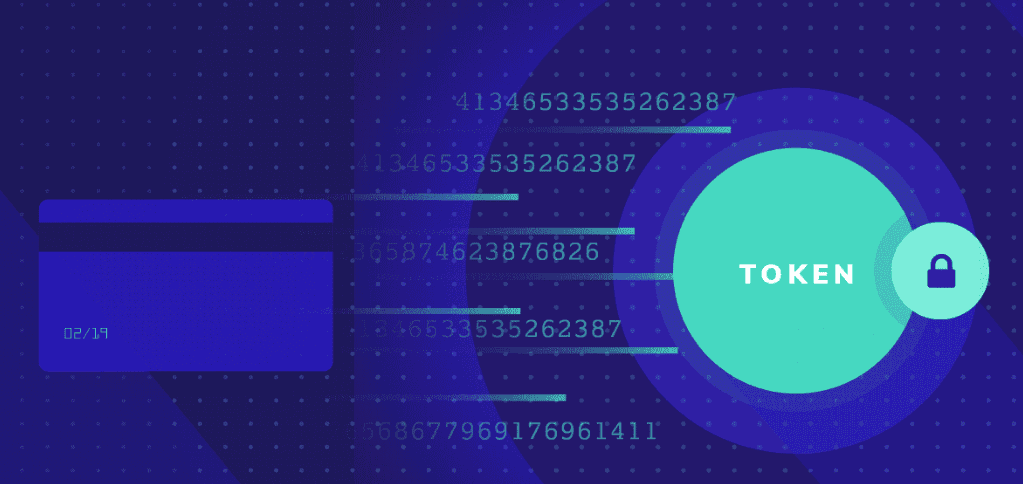
Diagram illustrating the tokenization and detokenization process for card payments

HCE

What Are Tokenization and Detokenization?

Tokenization generates secure data from a credit card number, using specific algorithms, for use during authorization. In CNP transactions, it removes the risk of storing or compromising the original card number.

MasterCard Identity Check logo and authentication illustration

Security

What is MasterCard Identity Check?

Payment security is very important in payment systems. To increase security, transactions require additional information such as PINs and passwords. Remembering which information to use, and keeping it in mind without forgetting…

Screenshot of a digital wallet mobile application interface

Credit Card

What is a digital wallet?

A digital wallet is an electronic wallet where credit, debit, or prepaid cards are registered in one place. Cardholders can securely add, store, update, and delete card details, then pay with a single click.

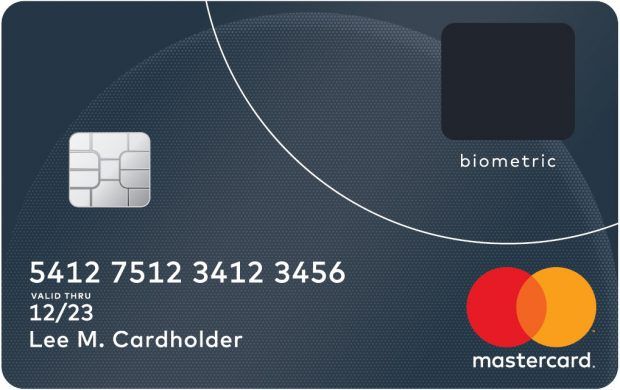
Biometric credit card with a fingerprint sensor

Credit Card

What is a biometric credit card?

Technology continues to make our lives easier and more secure. Old ID cards were just laminated paper; new ones became personalized and secure with biometric photos added alongside chip data.

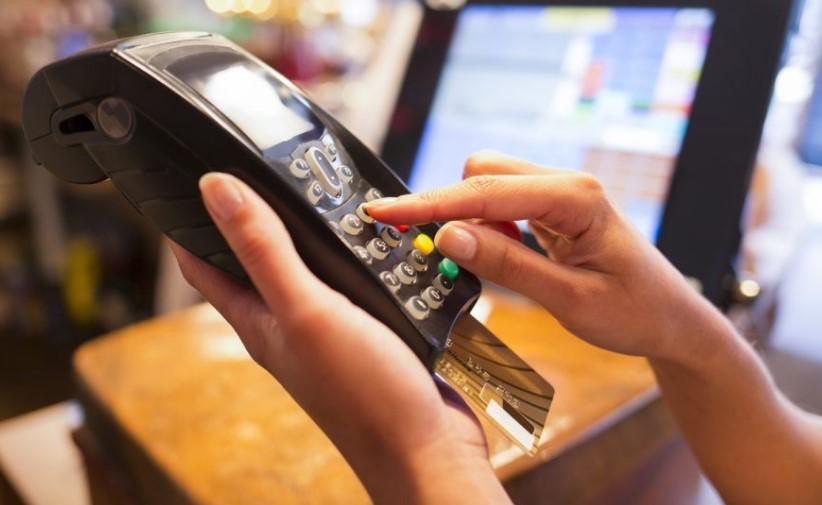
POS terminal screen showing the cancellation transaction menu

Merchant & POS

How does the cancellation (void) process work on a POS?

Many transactions are carried out with cards on a POS terminal. Sometimes a transaction must be reversed, and cancellation (void) is one such transaction. A Sale can only be cancelled on the POS before the batch (end of day) is closed; otherwise a refund is needed.

Diagram illustrating open banking, where customer financial data is shared with fintech companies through APIs

Payment Institutions & E-Money

What Is Open Banking?

Open banking means sharing customers' financial information with a third-party fintech company so that a range of banking and financial services can be offered to them. It works through API integrations. This post covers its status in Turkey and the new BRSA regulation.

Illustration of an e-commerce checkout page with card payment fields

Merchant & POS

How Important Is the Checkout Page in Payments?

The checkout page is where an online purchase is completed, and cart abandonment is highest there. This post lists design tips: support all cards, limit transition pages, show security cues, allow guest checkout and remove distractions.

E-commerce card data storage and security

Credit Card

Can E-Commerce Sites Store Card Details?

Legally, e-commerce sites should not store card details in their own systems; they should only use them when sending transactions. Unfortunately, some sites do not follow this rule.

Internet of Things connected devices illustration

Payment Systems

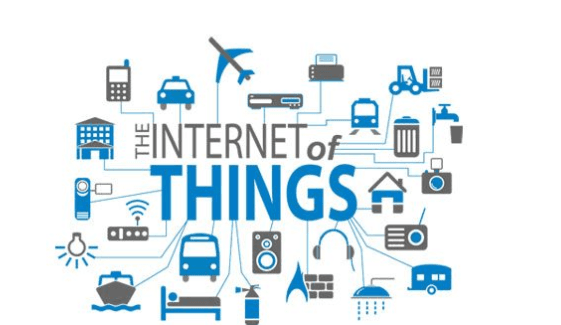
What Is IoT (Internet of Things)?

The Internet of Things (IoT) is a concept first used by Kevin Ashton in a 1991 presentation. It refers to many electrical devices, such as watches, fridges and washing machines, communicating with each other.