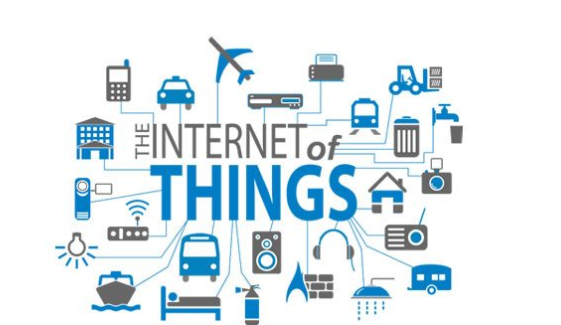
The Internet of Things (IoT), known in Turkish as Nesnelerin İnterneti, is a concept first used by Kevin Ashton in a presentation in 1991. The Internet of Things refers to many electrical devices communicating with each other (for example, wristwatches, refrigerators, washing machines, etc.).
The Internet of Things refers to the entire set of interrelated computing devices, mechanical and digital machines, objects, animals or people provided with unique identifiers (UIDs) that can transfer data over a network without requiring human-to-human or human-to-computer interaction.
Increasingly, organizations in various industries are using Internet of Things technology to work more efficiently, provide better customer service, improve decision-making, increase business value and understand customers better.
How does the Internet of Things (IoT) work?
An Internet of Things ecosystem consists of web-enabled smart devices that use embedded processors, sensors and communication hardware to collect, send and act on the data they obtain from their environment.
An industrial IoT system consists of:
- Smart assets that can sense, communicate and store information about themselves, that is, applications, controllers, sensors and security components.
- Data communication infrastructure, for example the cloud;
- Analytics and applications that generate business information from raw data, and people.
What are the benefits of the Internet of Things (IoT)?
The main advantages provided by the Internet of Things are listed below:
- Monitoring overall business processes.
- Improving the customer experience.
- Saving time and money.
- Increasing employee productivity.
- Integrating and adapting business models.
- Making better business decisions.
- Generating more revenue.