Skip to content

Search

"reference"

145 articles found

Illustration representing payment services data sharing

Payment Institutions & E-Money

What are Payment Services Data Sharing Services (OHVPS)?

Payment Services Data Sharing Services refers to the data sharing services used in the payment services set out in subparagraphs (f) or (g) of the first paragraph of Article 12 of Law No. 6493.

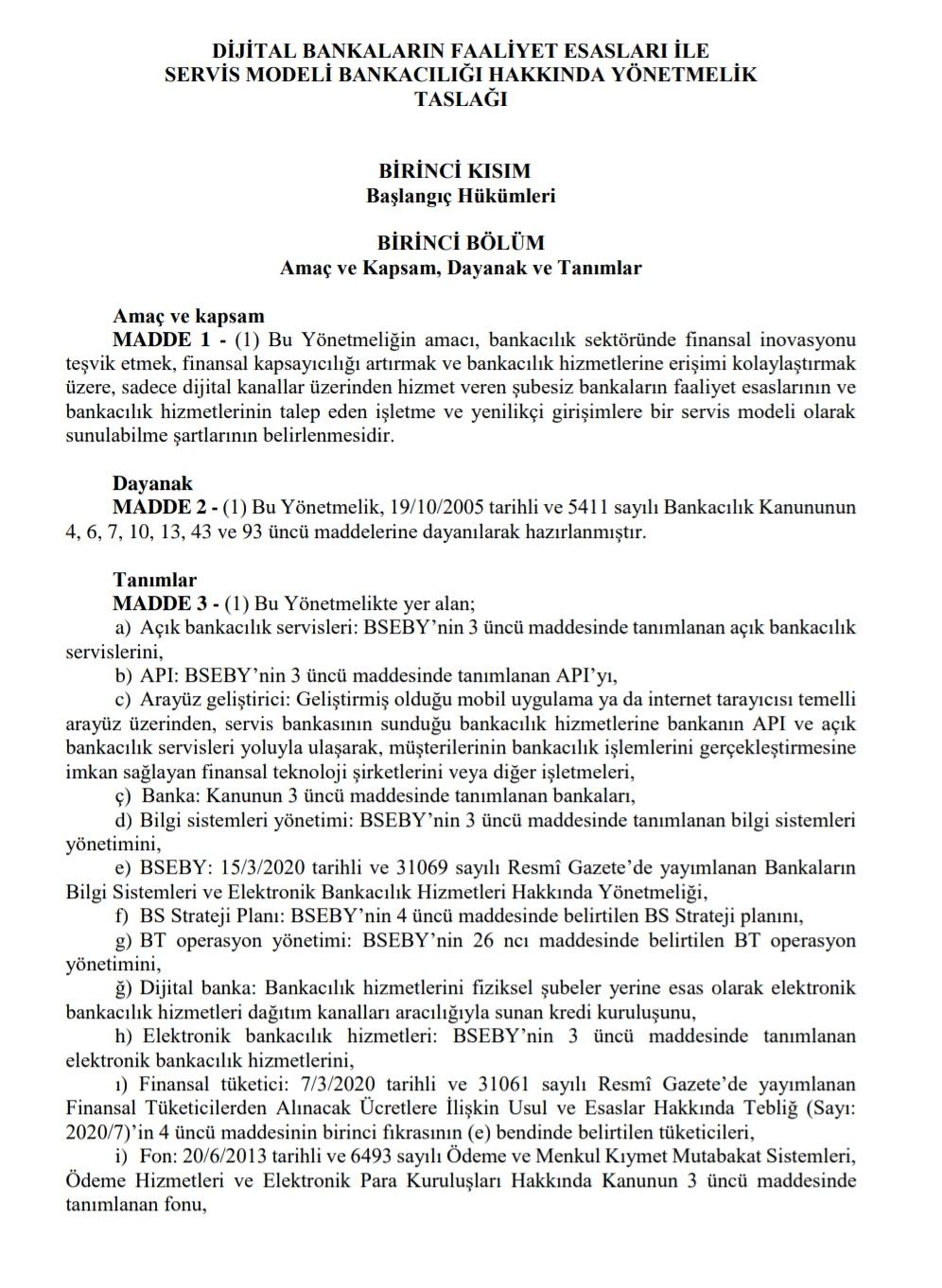
Portrait photo of a digital banking presentation slide listing the standards for digital banks

Open Banking

Digital Banking Standards are becoming clearer step by step

Digital banking is talked about more every day, and with the BRSA's support in defining its scope, it is about to enter our lives. A 'digital bank' is a credit institution that provides banking services mainly through electronic channels rather than physical branches.

Illustration for a glossary of cryptocurrency terms such as Bitcoin, blockchain and mining

Cryptocurrency

What Are the Terms Used in the Cryptocurrency World?

Cryptocurrencies are becoming part of everyday life and are expected to compete seriously with card payments. This glossary explains the key crypto terms, from address, altcoin and arbitrage to halving, mining, proof of stake and stop-loss.

Diagram illustrating card fraud and forgery in card payments

Security

What Is Forgery in Card Payments?

Forgery in card payments means transactions made with card details without the cardholder's knowledge, or purchases with counterfeit or stolen cards. Merchants cannot eliminate fraud and chargeback risk, but they should aim to reduce it to reasonable levels.

Diagram of an e-money institution and the services it can provide under Law No. 6493

Payment Institutions & E-Money

What Is an E-Money Institution? Which Services Can It Provide Under Law No. 6493?

The Law defines e-money as monetary value issued in exchange for funds accepted by the issuer, stored electronically, used for payment transactions and accepted as a payment instrument by persons other than the issuer. This post explains e-money institutions and the services they may provide.

Example of a QR code (karekod) pattern

Merchant & POS

What is a static QR code?

A static QR code is a code whose content is fixed and can be used for multiple payment transactions. So what is the difference between a static and a dynamic QR code?

Dynamic QR code payment verification illustration

Merchant & POS

What Is Dynamic Verification?

Dynamic verification means that, in a payment initiated with a dynamic QR code, transaction-specific details such as the recipient's name, account number and amount are verified online by the receiving participant at the time of the transaction.