
Credit Card
What is a digital wallet?
A digital wallet is an electronic wallet where credit, debit, or prepaid cards are registered in one place. Cardholders can securely add, store, update, and delete card details, then pay with a single click.
Search
127 articles found
Credit Card
A digital wallet is an electronic wallet where credit, debit, or prepaid cards are registered in one place. Cardholders can securely add, store, update, and delete card details, then pay with a single click.

Payment Institutions & E-Money
A platform lets about 5,000 members top up online accounts by card, pay other members and cash out. Because the member base keeps growing and has no defined limits, it does not qualify as a limited network.
Payment Systems
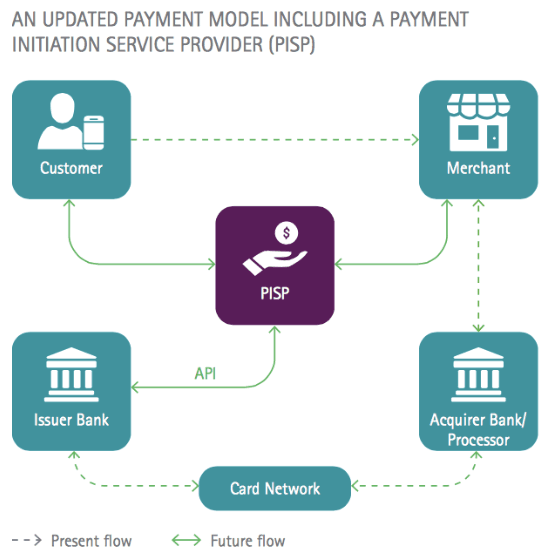
A Payment Initiation Service Provider (PISP) can initiate a payment on a customer's behalf, withdrawing funds directly from their account with consent. Norway's Vipps is the most widely used PISP, and more providers are expected as PSD2 expands across Europe.

Payment Systems
Open banking opens financial data, under the regulations and with the customer's explicit consent, to third-party service providers through standard APIs. The CBRT has published a guide on payment initiation and account information services, covering licensing and technical certification.
Laws & Regulations
A payment institution is a legal entity that provides payment services for electronic payments through the infrastructure it offers. This article covers the Turkish regulatory framework, licensing, safeguarding, supervision, penalties and taxation.
Merchant & POS
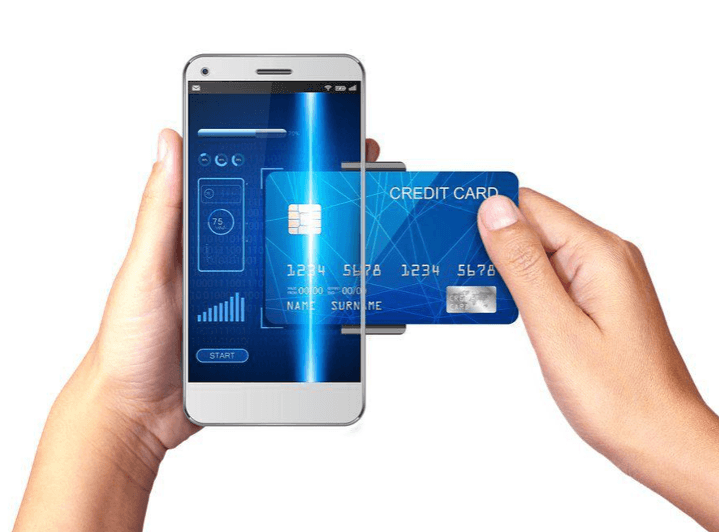
With advances in technology, mobile phones can now be used for many functions besides calls and internet access. One such innovation is the ability to use smartphones or tablets as POS devices.
Merchant & POS
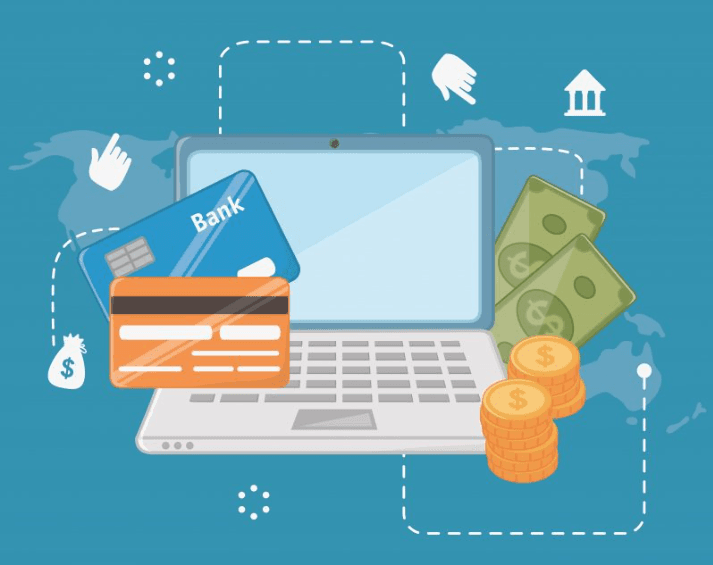
According to the third Card Spending Analysis by TOBB and Visa, average monthly card spending in Turkey in the first quarter of 2022 rose 85 percent year on year, driven by e-commerce, debit cards, and contactless payments.

Chargeback
A chargeback is when a cardholder asks the issuing bank to refund a transaction made without their knowledge. It cannot be prevented entirely, but simple precautions can minimize the risk. Here is how the process works and what cardholders should do.
Payment Systems
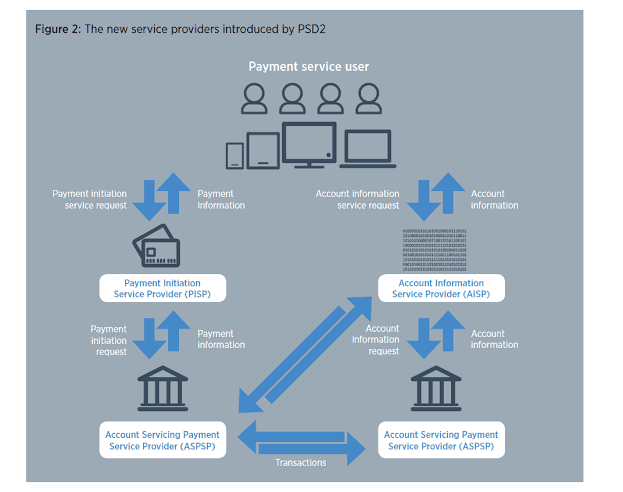
Digital Account Checking underpins many innovative banking and FinTech services. In most cases, it is performed by Account Information Service Providers, which supply data from customers' online bank accounts to other banks and third-party providers.
Credit Card
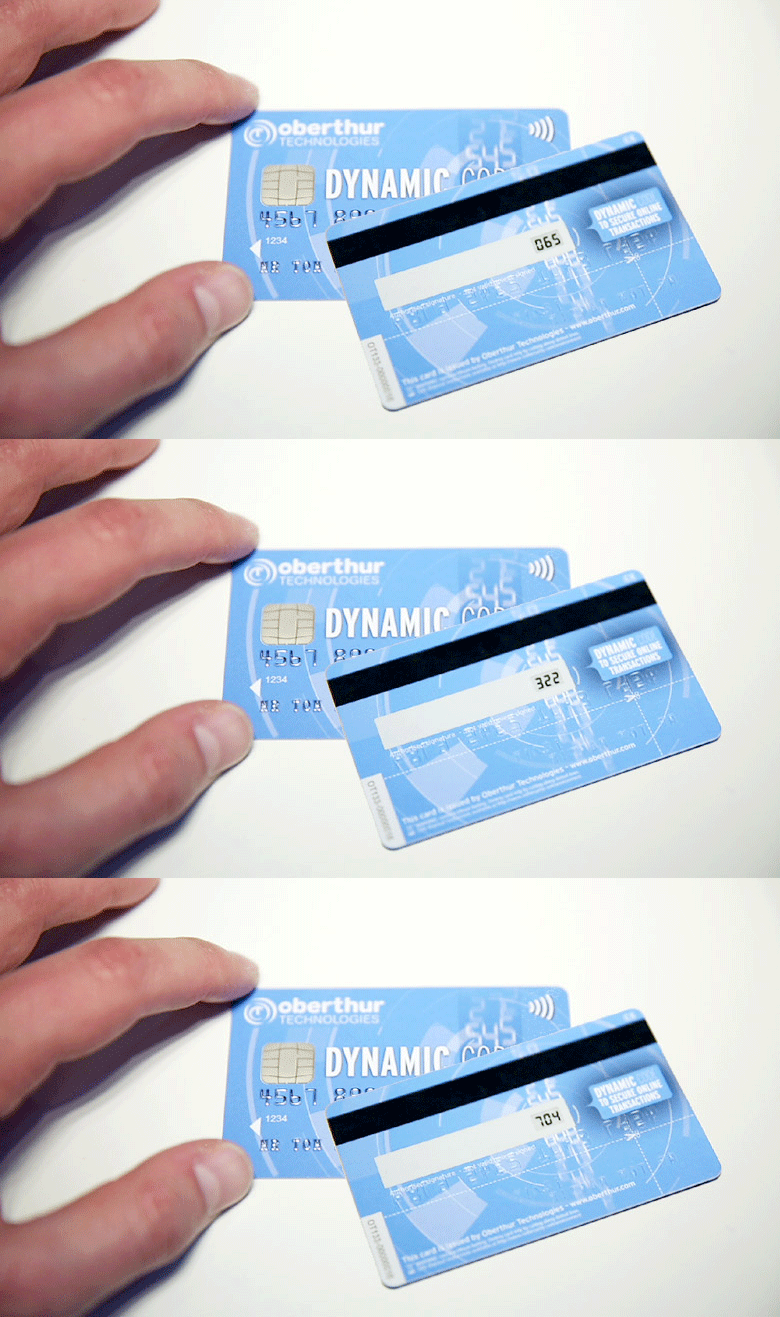
It is a CVV2/CVC2 code that changes every few minutes instead of the static code printed on the back of a credit card, aimed at reducing fraud risk in CNP (Card Not Present) transactions.

Security
When you visit a website, the protocol it supports appears at the left of the web address. Secure data transfers likewise use protocols that support http or https. Let's first take a brief look at what HTTP and HTTPS are.
Chargeback
Chargeback is inherent to card transactions, so it may be impossible to prevent entirely, but taking precautions keeps the risk to a minimum. Here are the key points merchants should pay attention to in order to reduce chargebacks.