Skip to content

Search

"card authorization"

241 articles found

Illustration explaining how a card's CVV value is generated

Credit Card

How is CVV generated?

CVV is a very critical 3-digit value used during a card's authorization process. The CVV value is encoded in the card's magnetic stripe data (Track 1 and Track 2). Is it generated by an algorithm or chosen at random?
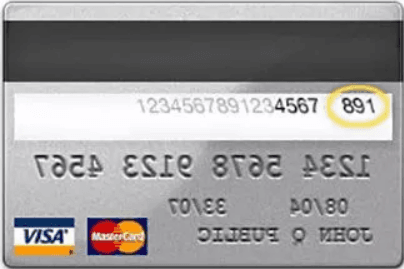
Close-up of the card security code printed on the back of a payment card

Credit Card

What is the Card Security Code?

The Card Security Code is a 3-digit numeric value used for cardholder verification and to reduce fraud risk. It is generated during card production and printed either on the card or encoded into the Track 1 and Track 2 data.

Illustration of recurring payments and automatic card collection for subscription businesses

Merchant & POS

Key Points to Watch for in Recurring Payments

Winning customers is one of the most important things in business, but keeping them satisfied matters just as much. If you collect payments at regular intervals, such as monthly, these tips will help you improve the success rate of recurring collections.

Diagram explaining the PAN Sequence Number (PSN) field on a chip card

Credit Card

What Is PSN (PAN Sequence Number)?

A 2-character field written to the card's chip data that increases by 1 with each card renewal, allowing authorization to distinguish between the old and new card. This means that, theoretically, assuming no other conditions prevent it, a...

Issuer Script Results field values shown on a POS terminal screen

Credit Card

Issuer Script Results

Issuer Script Results is the field that shows the results of the Issuer Script commands sent to the card. This post explains its byte and bit values, what an issuer script is, why the results matter, and what happens when a command fails.

Recurring card payments and subscriptions illustration

Merchant & POS

What Is Recurring Billing?

Recurring billing is the automatic collection of payments at set intervals and amounts by storing the customer's card details on a secure, PCI DSS-certified infrastructure.

Diagram illustrating how bank fraud detection systems analyze transactions

Fraud

How Do Fraud Applications Work?

Fraud management is used to detect possible fraud on customer accounts and provides additional security for transactions when necessary, making it one of the top priorities for banks.

Illustration representing the steps involved in launching a new payment card product

Credit Card

What Should Be Considered When Launching a New Product?

The following steps should be followed when launching a new product: decide on the brand, request a new BIN from the scheme (Mastercard, Visa, Troy), define the BIN in the bank's system, generate keys in the HSM, and roll it out after certification.

Illustration of a fallback transaction swiping a card's magnetic stripe after a chip read failure

Merchant & POS

What Is a Fallback Transaction?

When a chip can't be read due to a chip fault or the card being inserted incorrectly, the transaction is completed by swiping the magnetic stripe on the right side of the POS. Can chipless cards do fallback?