Skip to content

Search

"card verification"

128 articles found

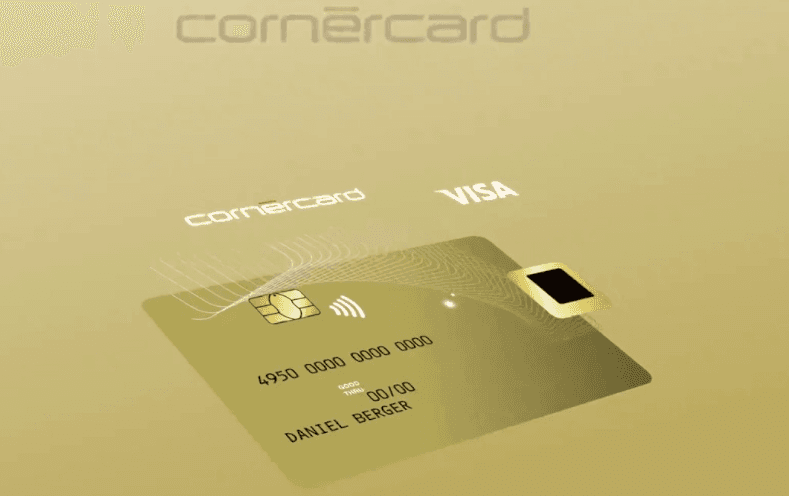
Credit card with a built-in fingerprint sensor for biometric cardholder verification

Credit Card

Who Wouldn't Want a Credit Card with a Biometric Reader?

Card security is critical in card payment systems. Chip&Pin curbed much fraud, but gaps remain. Cornercard, Gemalto and Visa launched Switzerland's first credit card with a built-in fingerprint reader. Here is how it works.


Illustration of ISO 8583 message format

ISO 8583

ISO 8583 Field Descriptions (F44)

DE 44 - ADDITIONAL RESPONSE DATA is used to provide other supplementary data that may be needed in authorization, as a response to the authorization message. The Card Authentication Results Code is sent in position 9, and the CAVV Result Code is sent in position 15.

Diagram of internet banking security showing a login screen protected by a padlock

HSM & Security

What Should Be Done to Ensure Internet Banking Security?

In the past, banking meant going to a branch. Today, most transactions run through channels such as the Internet Branch, ATM and Mobile Branch, so improving internet banking security and regularly informing customers about it is important.

Diagram showing the EMV chip card static data authentication (SDA) process

EMV

What is a Data Authentication Code (DAC)?

DAC is the abbreviation for Data Authentication Code. It is a piece of data assigned by the issuer and held by the terminal during the Signed Static Application Data verification process.

Diagram showing the components of the External Authenticate command

EMV

What is the External Authenticate Command?

The EXTERNAL AUTHENTICATE command asks the application inside the ICC whether it can verify the cryptogram, and the ICC returns the processing status. Below are the components of the External Authenticate command and what issuer authentication means.

Smartphone being used as a mobile POS device for a card payment

Merchant & POS

Mobile Phones Are Turning Into POS Devices

With advances in technology, mobile phones can now be used for many functions besides calls and internet access. One such innovation is the ability to use smartphones or tablets as POS devices.

POS terminal used for EMV card payment processing

Merchant & POS

TVR (Terminal Verification Results)

Terminal Verification Results (TVR): a sequence of bits produced when a terminal reads an EMV card, based on logical checks such as an expired card. This data object is used to decide whether a payment transaction should be accepted online, declined, or allowed to proceed.

Illustration representing an AI agent making purchasing decisions

Agentic Commerce

Agentic Commerce Series – Part 3

Can AI Decide on Our Behalf? Letting an AI agent handle research can make life much easier. The real question is where that should stop, and how much decision-making authority we are ready to hand over.

Diagram illustrating how a transaction's 3D Secure authentication level is determined

3D Secure

How is a transaction's 3D Secure level determined?

Especially with the growth of the internet, credit card transactions have started shifting from physical POS terminals to virtual POS terminals. In virtual transactions, the 3D Secure structure is used instead of the card PIN entered in physical transactions. So how is a transaction's…

Illustration of a Zone PIN Key (ZPK) protecting PIN data in a payment network

HSM & Security

What is ZPK (Zone PIN Key)?

ZPK, also known as the PIN Protection Key, is a data encryption key that is distributed automatically and used to encrypt PINs. It is also referred to as the 'Working Key'. This key allows PIN information to be carried securely across the network.

Diagram illustrating the difference between Online PIN and Offline PIN verification in card payments

Payment Systems

What are Online and Offline PIN? Can PIN be bypassed?

Online PIN is verified by the card-issuing institution through the message itself, while Offline PIN is verified on the chip. This article explains the difference and when PIN bypass is allowed.