Skip to content

Search

"issuer data"

70 articles found

American Express chargeback reason codes list from the Chargeback and Exception Processing Guide

Chargeback

What Are the American Express Chargeback Reason Codes?

Chargeback reason codes vary by card scheme. The Amex chargeback reason codes and their descriptions are listed below: American Express Chargeback Reason Codes A01 The charge you submitted did not receive a valid authorization approval code for the amount...


Diagram illustrating card fraud and forgery in card payments

Security

What Is Forgery in Card Payments?

Forgery in card payments means transactions made with card details without the cardholder's knowledge, or purchases with counterfeit or stolen cards. Merchants cannot eliminate fraud and chargeback risk, but they should aim to reduce it to reasonable levels.

Illustration of the transfer of payment regulation powers from the BRSA to the CBRT in Turkey's fintech ecosystem

Laws & Regulations

Some Powers of the BRSA Transferred to the CBRT

Turkey is rapidly implementing the items in the 11th Development Plan for a fintech ecosystem with equal opportunity. Under the approved law amendment, some BRSA powers over payment services and e-money companies were transferred to the CBRT, making it the single authority in payments.

Diagram illustrating the appeal stage of the card dispute and chargeback process between issuer, acquirer and card scheme

Payment Systems

What Is an Appeal? What Does It Mean in Payment Systems?

In payment systems, an “appeal” is the process of objecting to the outcome of a transaction dispute. It is usually discussed alongside chargebacks, but it plays a critical role in interbank dispute resolution, when a party asks the card scheme to re-evaluate a concluded decision.

Diagram of the chargeback process between cardholder, issuer and acquirer

Chargeback

How to Reduce Chargebacks (For Cardholders)

A chargeback is when a cardholder asks the issuing bank to refund a transaction made without their knowledge. It cannot be prevented entirely, but simple precautions can minimize the risk. Here is how the process works and what cardholders should do.

Check-out button on an online payment screen

Security

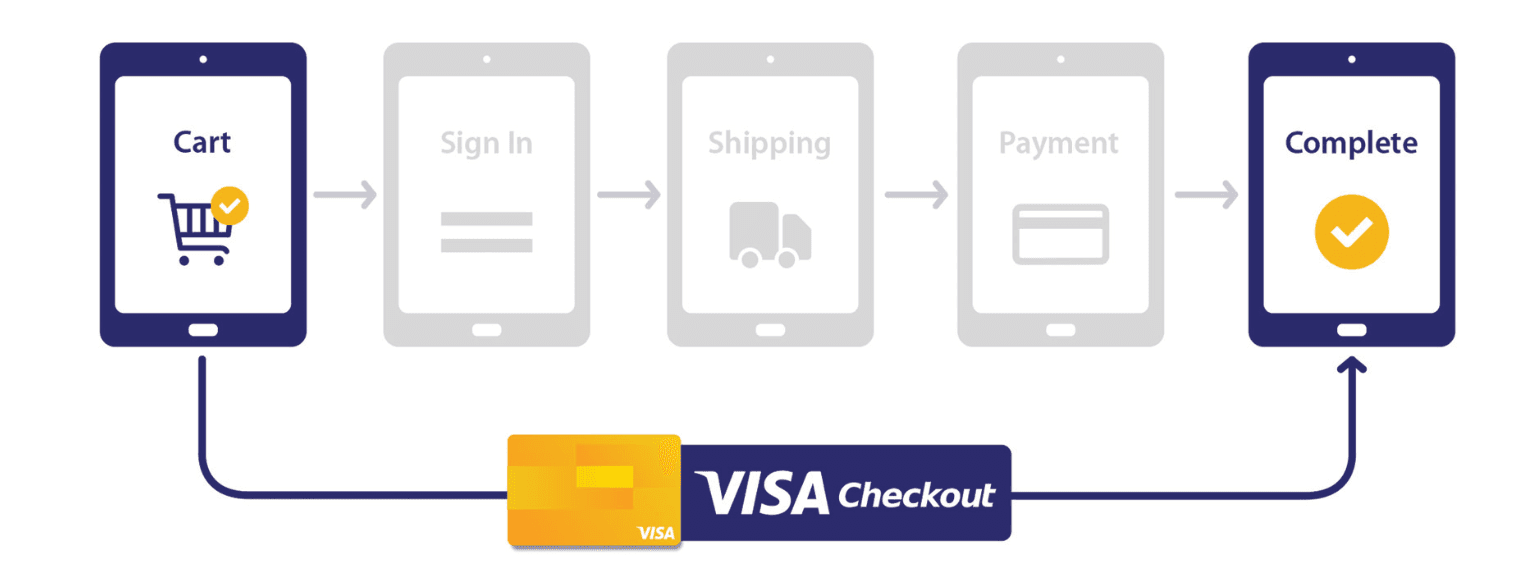
What is Check Out?

In online shopping, converting product browsing into a completed sale after a customer visits your site is just as critical. The amount of purchases abandoned due to friction in the online buying process often exceeds successful sales.

Animated illustration of a credit card representing dynamic security code technology

Credit Card

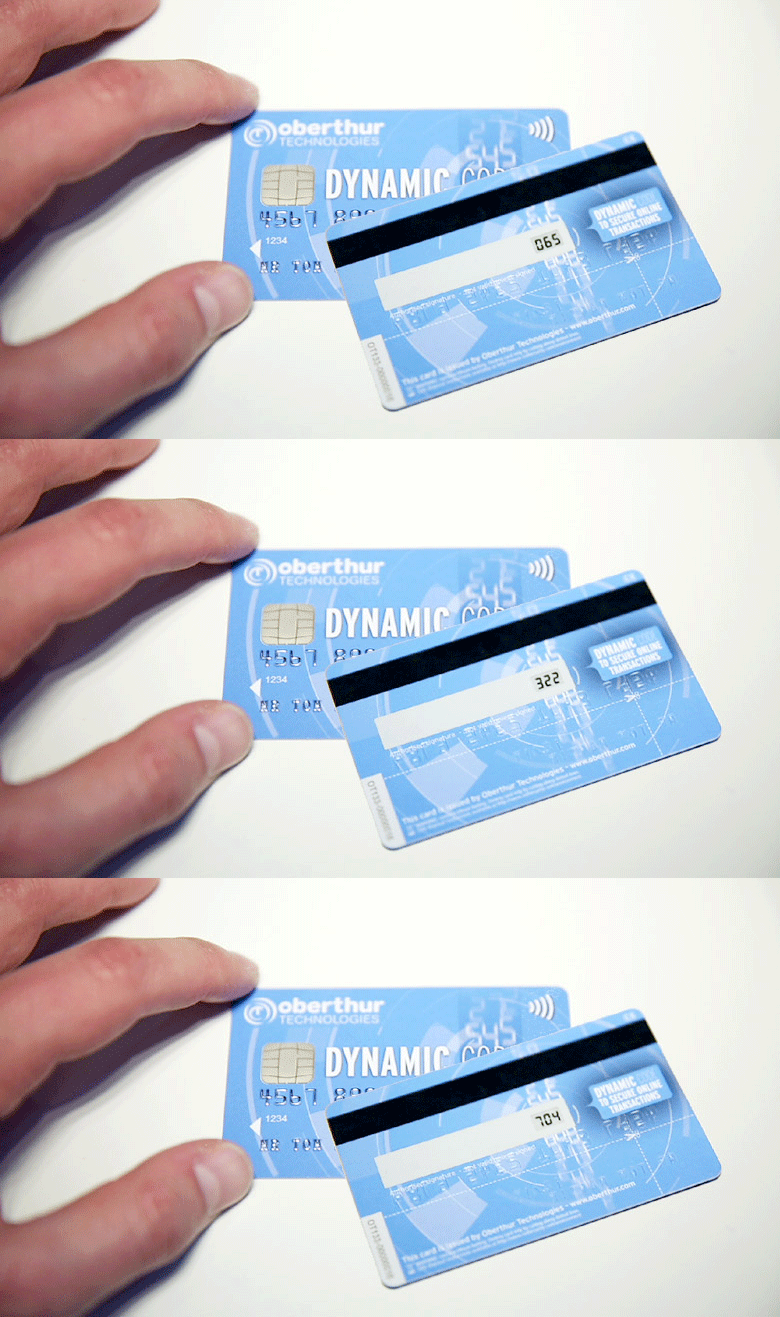
What is a Dynamic Card Security Code (CSC)?

It is a CVV2/CVC2 code that changes every few minutes instead of the static code printed on the back of a credit card, aimed at reducing fraud risk in CNP (Card Not Present) transactions.

Diagram explaining how the CVV/CVC code is generated and verified on payment cards

Credit Card

What is CVV/CVC?

CVV is short for Card Verification Value, a term used by Visa. CVC is short for Card Verification Code, a term used by MasterCard. The CVV/CVC code is used for cardholder verification and to reduce fraud risk.

Illustration of a fallback transaction swiping a card's magnetic stripe after a chip read failure

Merchant & POS

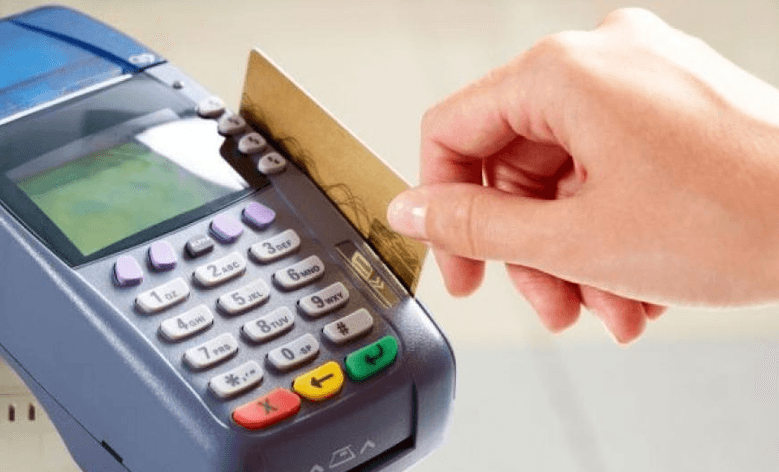
What Is a Fallback Transaction?

When a chip can't be read due to a chip fault or the card being inserted incorrectly, the transaction is completed by swiping the magnetic stripe on the right side of the POS. Can chipless cards do fallback?