Skip to content

Search

"payment scheme"

86 articles found

Illustration of a Zone PIN Key (ZPK) protecting PIN data in a payment network

HSM & Security

What is ZPK (Zone PIN Key)?

ZPK, also known as the PIN Protection Key, is a data encryption key that is distributed automatically and used to encrypt PINs. It is also referred to as the 'Working Key'. This key allows PIN information to be carried securely across the network.


Diagram illustrating the appeal stage of the card dispute and chargeback process between issuer, acquirer and card scheme

Payment Systems

What Is an Appeal? What Does It Mean in Payment Systems?

In payment systems, an “appeal” is the process of objecting to the outcome of a transaction dispute. It is usually discussed alongside chargebacks, but it plays a critical role in interbank dispute resolution, when a party asks the card scheme to re-evaluate a concluded decision.

Conceptual illustration of AI agents engaging in online commerce and payments

Agentic Commerce

Agentic Commerce Series – Part 1

The next customer on the internet may not be human. If AI agents become part of purchasing decisions, the rules of e-commerce, marketing, and payment systems could change.

BKM Online member information sharing portal

Credit Card

What Is BKM Online (BOL)?

BKM Online is the web-based electronic system that enables communication and information sharing between BKM and its members, including documents, reports, services and work calendars, according to user permissions.

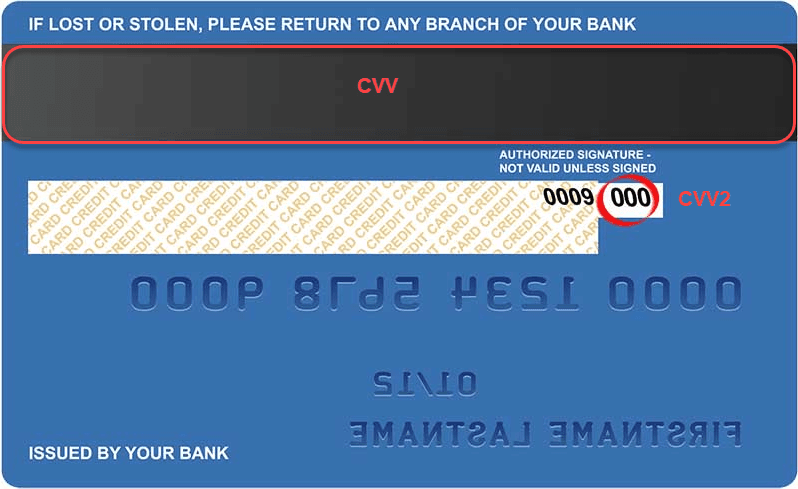
Credit card showing CVV security code location

Credit Card

Can a Card Have CVV Printed on Both Sides?

Yes. American Express cards have a 4-digit CVV on the front and a 3-digit CVV on the back, like other cards. Here's how payment forms should handle both formats and why logging the security code is never allowed.

Diagram of an external quarterly network vulnerability scan for PCI DSS compliance

Security

What Is a Quarterly Network Scan?

An external network scan run every 3 months by an Approved Scanning Vendor authorized by card schemes such as MasterCard and Visa, required for PCI DSS compliance. It checks whether merchant systems are protected against external threats.

Diagram showing the structure of an EMV AID value split into RID and PIX sections

EMV

What is the Registered Application Provider Identifier (RID)?

RID is part of the AID value, which is structured according to ISO/IEC 7816-5 and consists of two sections: a value specific to the application provider, and an optional field used to identify different providers or products.

Diagram illustrating the card payment arbitration process

Chargeback

What is Arbitration?

Arbitration, by definition, is a dispute resolution method in which disputes are settled by arbitrators the parties choose themselves, rather than by official courts. In payment systems, it follows a chargeback when the issuer and acquirer cannot agree.

UnionPay logo

Merchant & POS

What Is UnionPay?

UnionPay International (UPI) is a China UnionPay subsidiary founded in November 2012. Together with more than 1,000 institutions worldwide, UPI provides international card acceptance in 160 countries and card issuance in more than 40 countries and regions.

Table showing payment system response code values that indicate transaction approval

Online & Authorization

What Are the Response Code Values That Mean Approval?

In payment systems, the result of a transaction is sent in the F39 field. The F39 value is the code indicating the transaction's approval or decline status. It is a 2-character alphanumeric code. When approved, the value is usually 00.

HCE mobile payment PIN strategies

HCE

What Are the PIN Strategies in HCE?

There are three types of PIN strategy in HCE (Host Card Emulation): No PIN, Card PIN and Wallet PIN or customer biometric data. Each balances user experience and security differently.