RID is part of the AID value, which is structured according to ISO/IEC 7816-5 and consists of two sections:
- RID: a value assigned according to ISO/IEC 7816-5 that is specific to the application provider
- An optional field, known as the Proprietary Application Identifier Extension (PIX), used by the application provider to identify different providers or products.
The structure of the AID
Every payment application on a chip card is identified by an identifier called an AID (Application Identifier). The AID consists of two sections. The first 5 bytes are the RID and indicate the organization that provides the application (for example, the card scheme). The following PIX section distinguishes between the different products of that organization.
Example RID values
- A000000003: Visa
- A000000004: Mastercard
- A000000025: American Express
- A000000152: Discover
- A000000672: Troy
For example, the AID value of the Visa credit/debit application is A0000000031010. Here, A000000003 is the RID, and 1010 is the PIX.
How does the terminal use the RID?
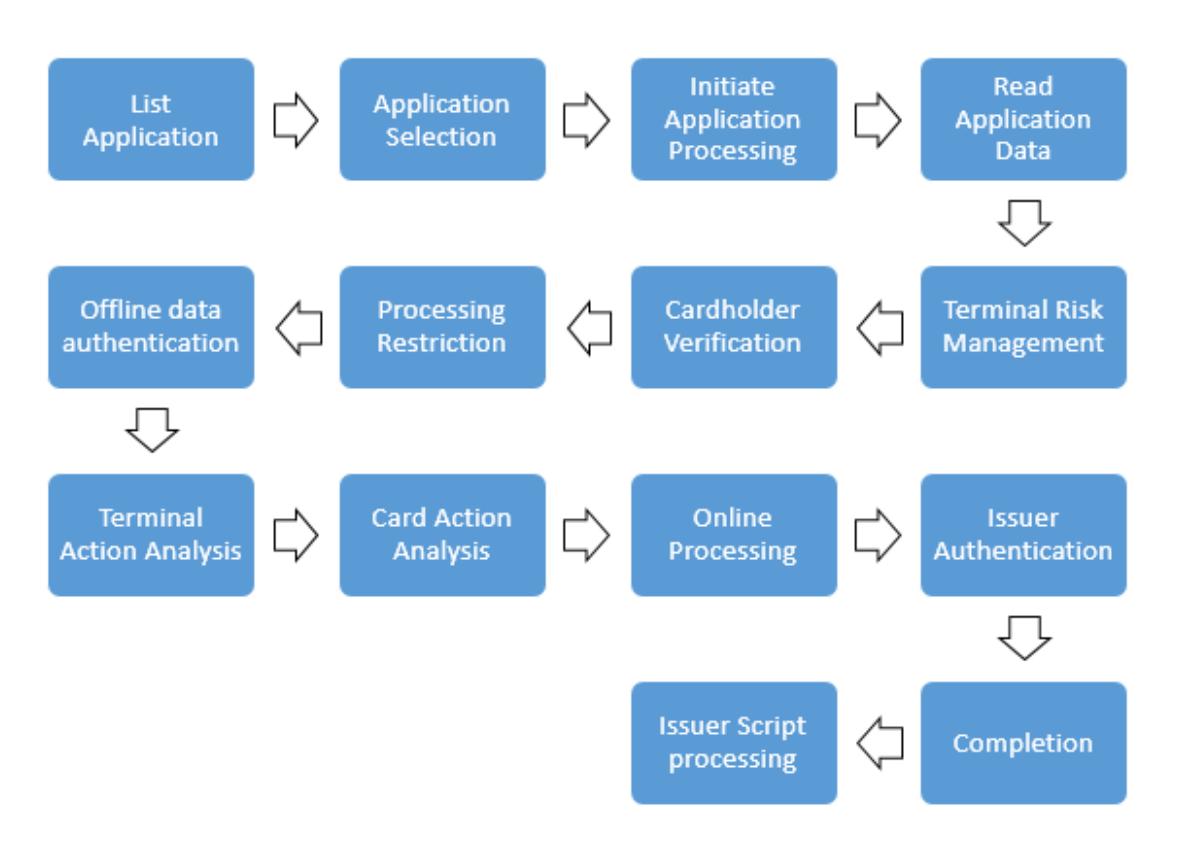
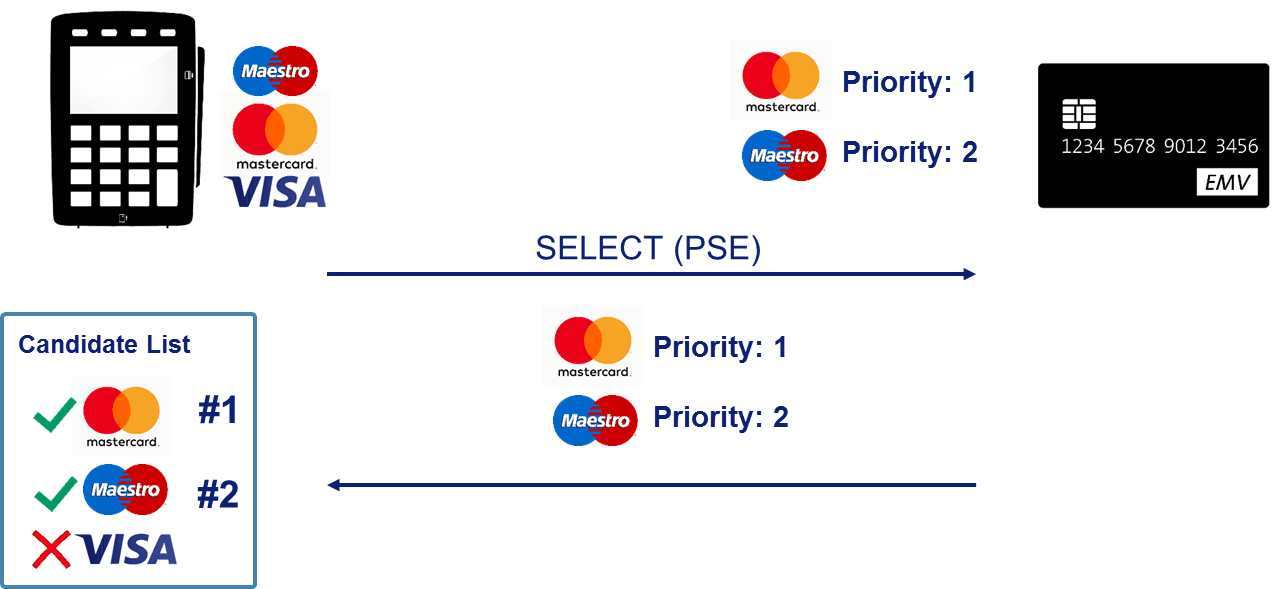
When the card is inserted into the terminal, the terminal compares the applications present on the card with its own supported AID list. This process is called application selection. The terminal also uses the RID information to select the public keys (CA public key) belonging to the card scheme. These keys are used in the offline verification of the card.
How are RIDs assigned?
RID values are assigned by an authorized registration organization under the ISO/IEC 7816-5 standard. This way, every application provider in the world has a unique identity, and the applications of different organizations are not mixed up with one another.