Skip to content

Search

"Issuer"

138 articles found

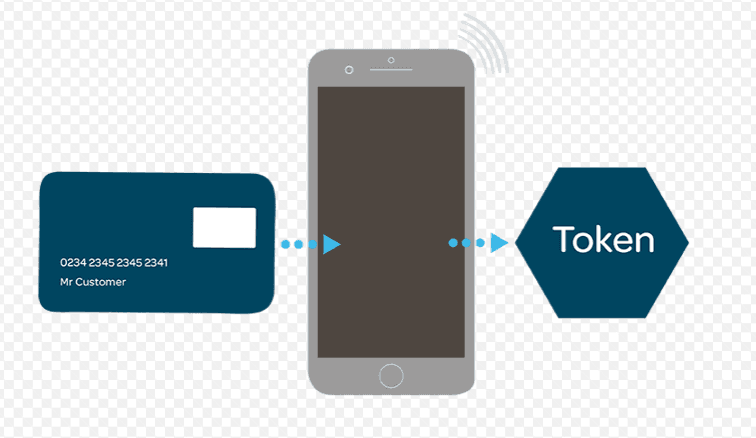
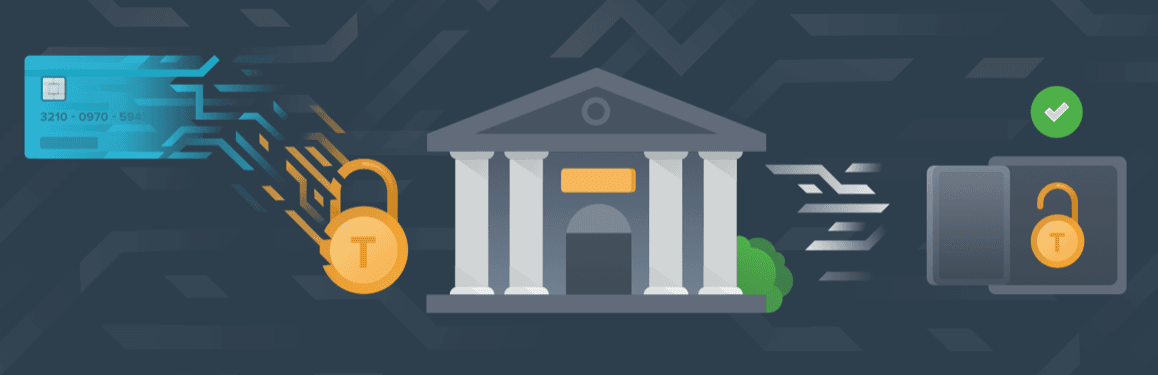
Diagram illustrating the properties and lifecycle of a tokenized card number as it moves through the payment network

HCE

What Are the Characteristics of a Tokenized Card Number?

A tokenized card number replaces a physical card number so transactions can be carried out securely. It is generated by the TSP (Token Service Provider), used by the cardholder or merchant, and travels across the payment systems network.
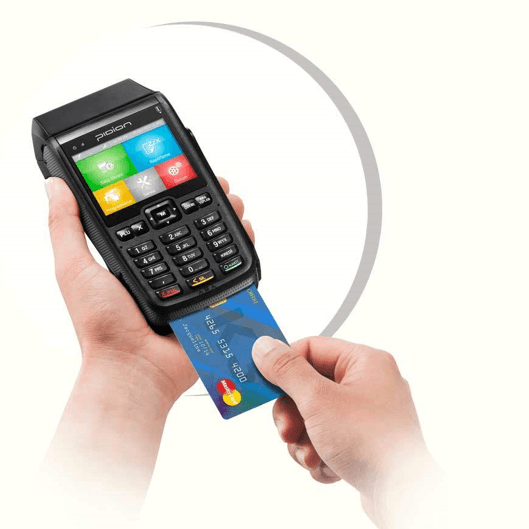

Table of EMV Transaction Status Information (TSI) bit definitions

Merchant & POS

Transaction Status Information (TSI)

Contains the EMV steps performed by the Terminal in a transaction. The TSI fields, their possible values, and descriptions of the values are shown below.

Table of ISO 8583 amount and currency field values for a sample transaction

ISO 8583

ISO 8583 Field Descriptions (F4, F5, F6, F49, F50, F51)

Fields F4, F5, F6, F49, F50, and F51 are the Amount and Currency fields sent in the authorization message. For example, for a 300 Euro transaction, the amount and currency information sent in these fields is as follows.

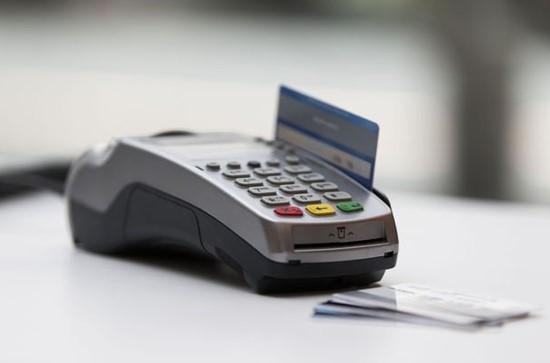
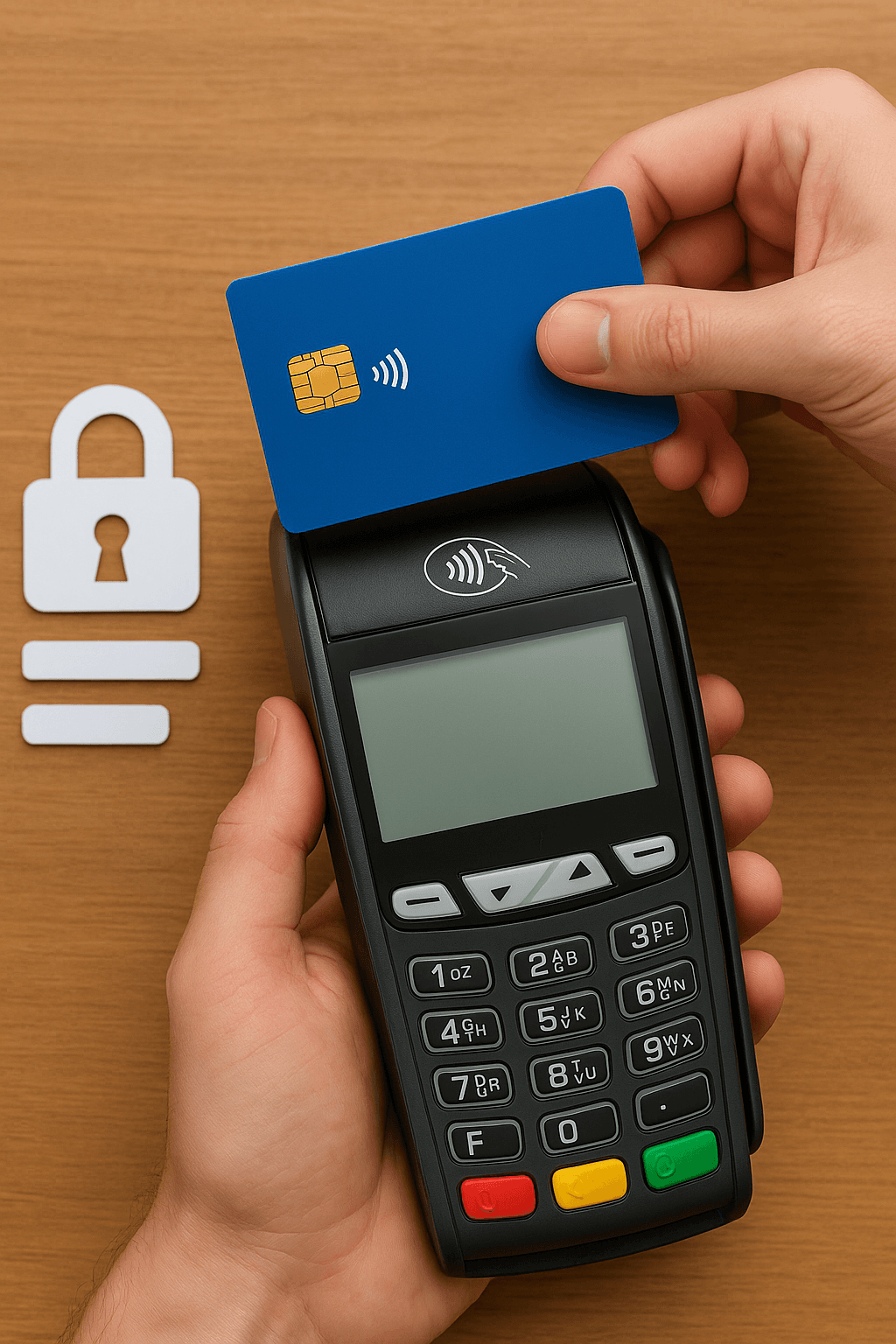
Credit card being inserted into a merchant POS terminal

Credit Card

What Is the Transaction Life Cycle in the Card World?

As credit cards become more and more a part of our lives, we now make almost all our purchases without cash. We inserted our card into the merchant's POS. We made a 100 TRY sale transaction. We received a receipt confirming it was successful.

Comparison of online and offline token verification in payment transactions

HCE

What Are Transaction-Based (Online/Offline) Token Types?

Token types vary depending on the verification method used in a transaction. In offline transactions, general checks are performed by the mobile app and card reader without any verification in the card system. In online transactions, token verification is sent to and verified by the issuer.

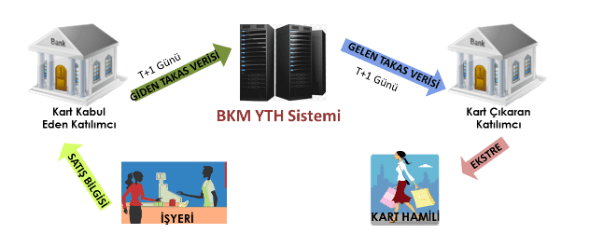
Diagram showing the flow of incoming and outgoing files in the clearing system between banks

Clearing

Clearing System Files: Incoming and Outgoing Files

The clearing system settles a transaction between two participants when a card from one bank is used at another bank's POS or ATM. Learn about the incoming and outgoing files used in interbank clearing.

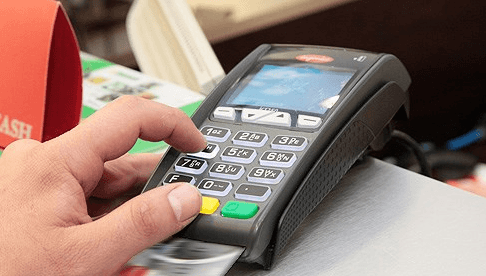
Photo of a POS terminal related to Terminal Action Code settings

Merchant & POS

Terminal Action Code (TAC)

These are codes placed into the terminal software by the acquirer that govern the rules for whether transactions go online or are declined, covering offline approval, offline decline, and online submission due to issuer risk...

Illustration of customer-based contactless card limit management

Payment Systems

Can a Card's Contactless Limit Be Managed on a Per-Customer Basis?

Contactless payment has greatly improved the user experience, yet its fixed transaction limit is a common complaint. Can this limit be managed dynamically per customer? This post covers the current situation, technical and regulatory requirements and the outlook.

Diagram illustrating the appeal stage of the card dispute and chargeback process between issuer, acquirer and card scheme

Payment Systems

What Is an Appeal? What Does It Mean in Payment Systems?

In payment systems, an “appeal” is the process of objecting to the outcome of a transaction dispute. It is usually discussed alongside chargebacks, but it plays a critical role in interbank dispute resolution, when a party asks the card scheme to re-evaluate a concluded decision.

Payment terminal running multiple bank applications as a shared POS

Payment Systems

What is a shared POS? Key points for projects and testing

A shared POS is a bank or institution terminal that can host more than one application. This post covers the software, APN and authorization steps, and the key test scenarios to cover in a shared POS project.

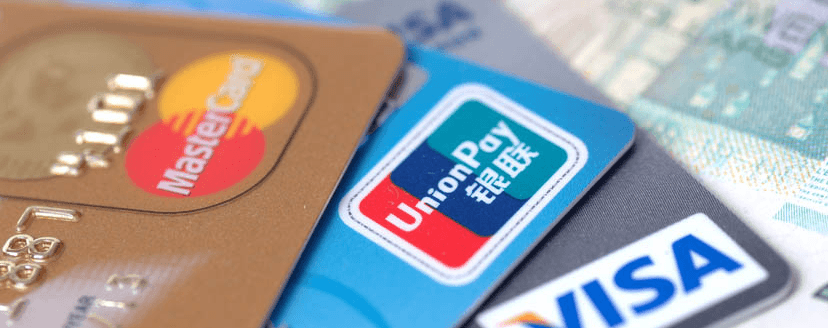
Diagram showing membership types for Visa and Mastercard card schemes

Credit Card

How Many Types of Membership Are There by Card Scheme?

Banks must go through a costly, arduous process to issue cards (issuer) and accept cards (acquirer), paying high entry fees to international license providers and local organizations such as BKM.