Skip to content

Search

"POS limits"

87 articles found

Table listing ISO 8583 Field 25 (POS Condition Code) values

ISO 8583

ISO 8583 Field Descriptions (F25)

F25 - POINT OF SERVICE (POS) CONDITION CODE is the field that defines the condition under which a POS transaction was performed. Possible values include 00 Normal presentment, 01 Customer not present, 02 Unattended terminal, and more.

Illustration explaining the concept of the first online transaction after a card PIN change

Merchant & POS

What Does First Online Transaction Mean?

In payment systems, an online transaction means the transaction is sent to the card or POS/ATM bank at the moment it occurs, and required checks are obtained from that system. So does every transaction happen online? Of course not. Especially with contactless...

Diagram of PIN Encryption Key (PEK) structure

HSM & Security

What is PEK (Pin Encryption Key)?

PEK is the abbreviation for Pin Encryption Key. The role of PEK is to encrypt PINs. There are two types of PEK: TPK (Terminal Pin Key) and ZWK (Zone Working Key).

Prepaid debit card not linked to a bank account

Debit Card

What Is a Prepaid Debit Card?

A prepaid card is a customized card that is not linked to a bank account and has no credit limit like a credit card - you can spend only up to the amount loaded onto it. Prepaid cards function just like a bank card or credit card.

Stand-in authorization flow diagram

Credit Card

What is Stand-In Authorization?

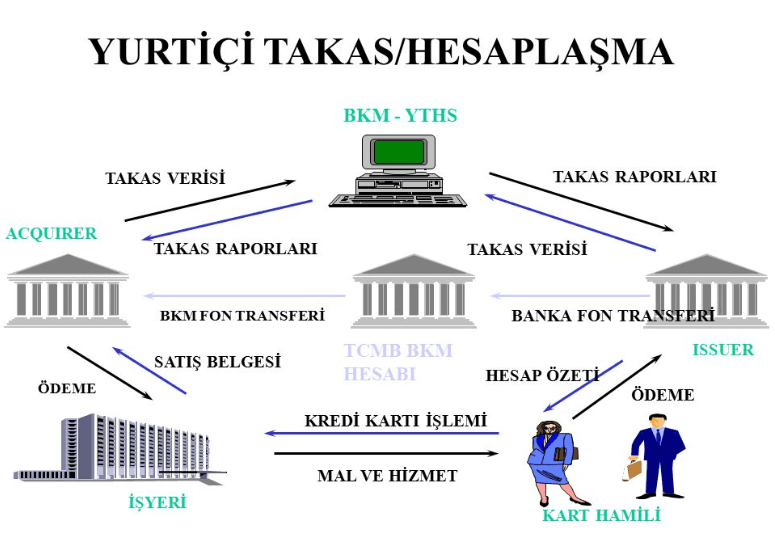
In the standard authorization flow, the transaction is initiated by the acquirer (POS bank) and forwarded to the issuer (card-issuing institution). The process is completed once the issuer responds. However, this isn't always possible; when the issuer fails to respond, BKM steps in...

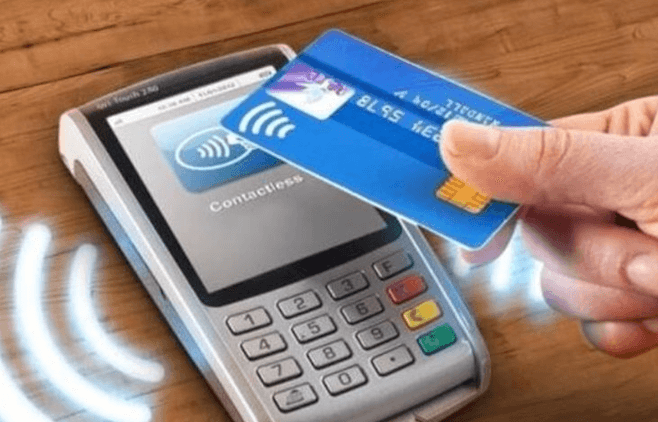
Contactless payment with a card on a POS terminal

Contactless

7 Reasons to Make Contactless Transactions

It is important to use contactless cards to prepare our payment habits for the future. In Turkey, one in every 3 cards and one in every 4 POS terminals is contactless-enabled, yet usage remains around 5%.

Payment card illustrating magnetic stripe data used for PIN verification

Credit Card

What is PVV (PIN Verification Value)?

PVV is the number encoded on a card's magnetic stripe that allows the cardholder's PIN to be verified by ATMs and POS terminals. It is a 4-digit cryptogram calculated through a cryptographic operation using the PIN and card data. The real result is longer than 4 digits.

Payment card being checked against a card recovery bulletin of problem cards

Merchant & POS

What Is a Card Recovery Bulletin (Card Protection Bulletin)?

A Card Recovery Bulletin is a list of problem cards (lost, stolen, expired, over-limit, counterfeit or otherwise flagged) published by card schemes such as Visa or MasterCard. It shows whether a card number is listed on the date of purchase.

Zone Working Key PIN encryption between banks

HSM & Security

What Is ZWK (Zone Working Key)?

ZWK stands for Zone Working Key. It encrypts the PIN so that it can travel securely between different financial institutions, such as the acquiring bank and the issuing bank.

Diagram of the chargeback process between cardholder, issuer and acquirer

Chargeback

How to Reduce Chargebacks (For Cardholders)

A chargeback is when a cardholder asks the issuing bank to refund a transaction made without their knowledge. It cannot be prevented entirely, but simple precautions can minimize the risk. Here is how the process works and what cardholders should do.