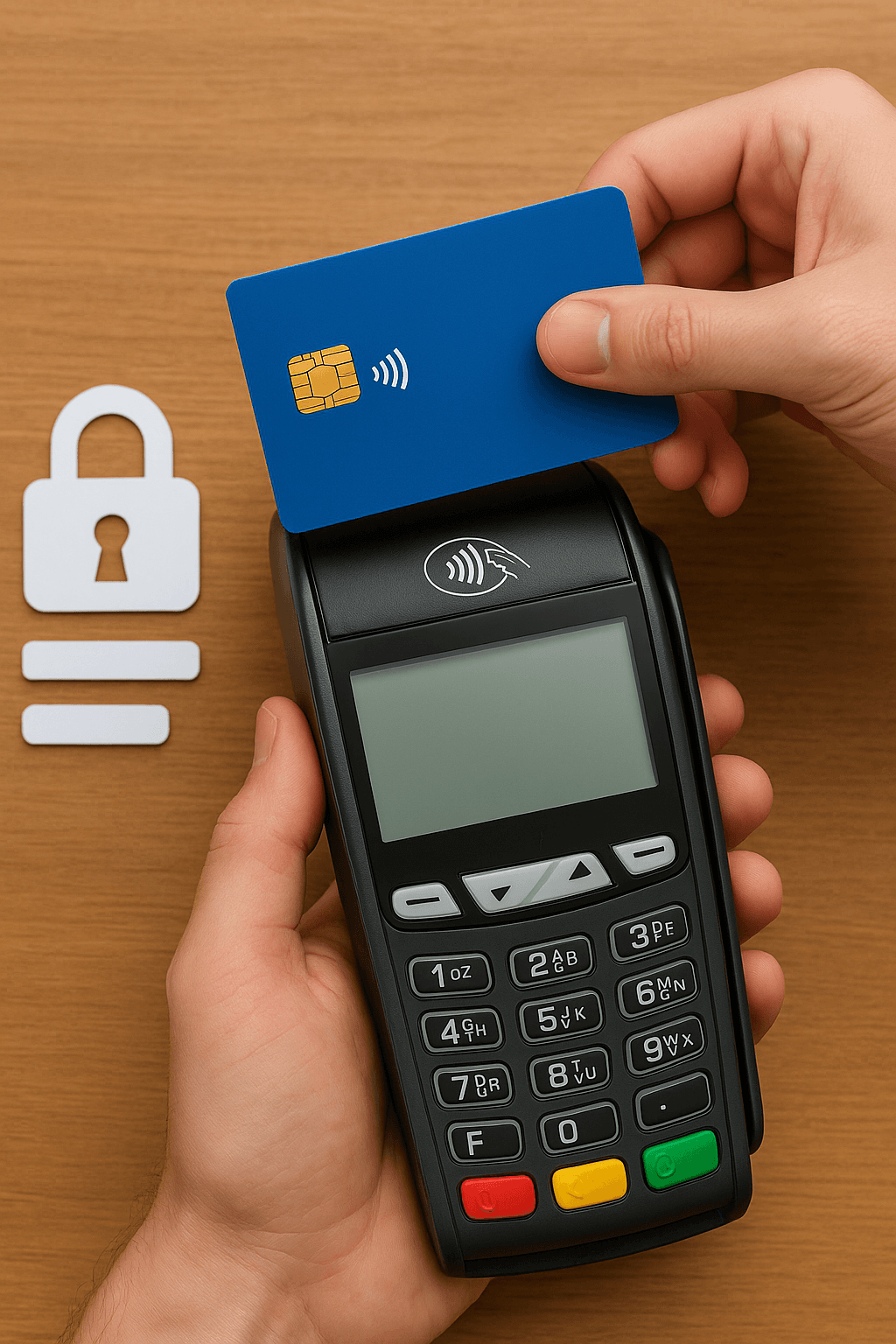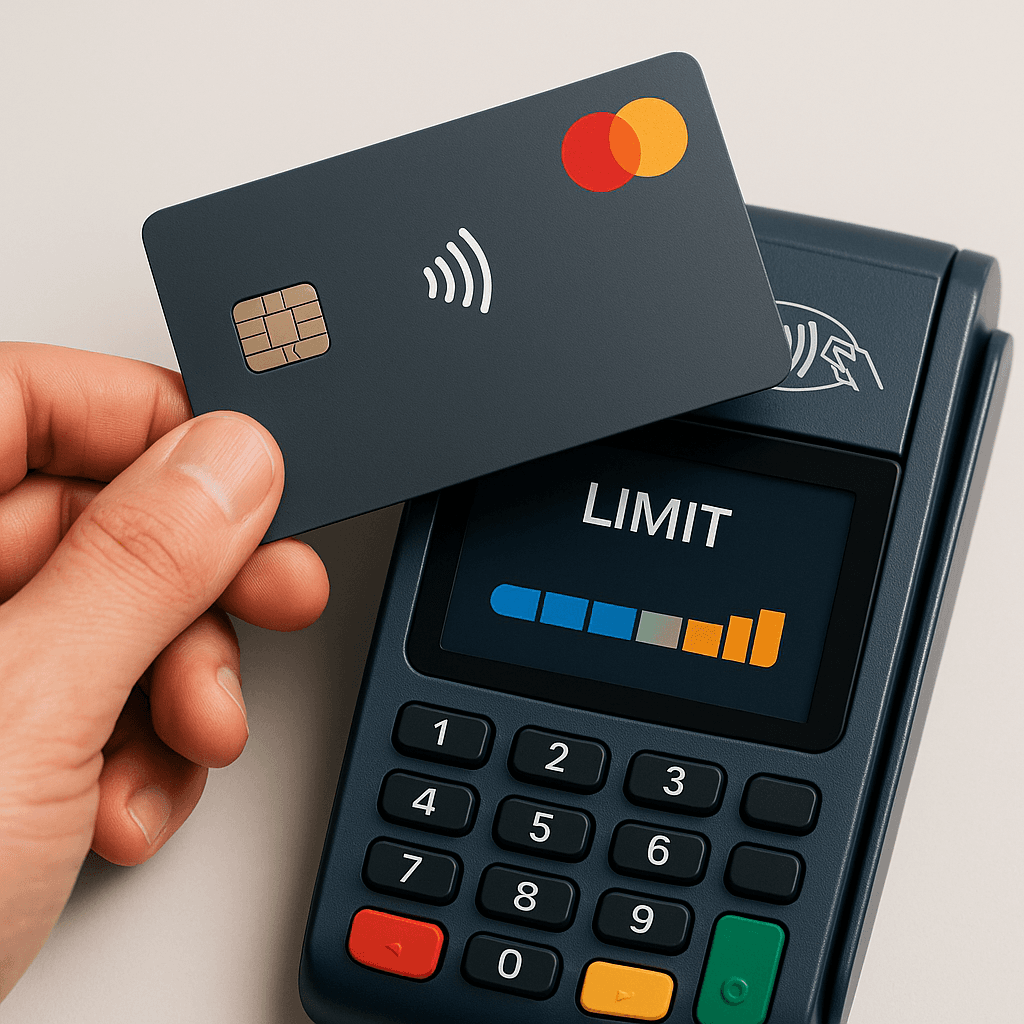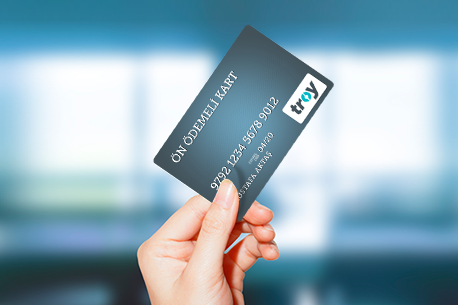
A prepaid card is a customized card that is not linked to a bank account and has no credit limit like credit cards - you can only spend up to the amount loaded onto the card.
Prepaid cards are payment cards just like a bank card or credit card. The card carries a card number, an expiration date, and a security number (CVV). These cards can be used at every merchant that accepts cards.
Why should I use a prepaid card? What kind of advantages does it offer?
- Fewer procedures are required to get the card
- Prepaid cards are easy to use
- Easier and safer payment than cash across a wide merchant network
- It is a payment card used by loading money onto the account. It is ideal for paying bills and shopping at POS terminals and online.
- A lost or stolen card is blocked and its balance is transferred to a replacement card. (This applies to cards linked to an account.)
- It can be used at every merchant that accepts cards.
- The balance on a prepaid card is protected with a password, so the card balance stays secure.
- It is very important for the goal of a cashless society and for bringing the informal economy into the official records.
Who prefers prepaid cards?
- Public Sector: Used for government aid, pensions, allowances for children, highway toll payments, public transportation, disaster relief and similar aid and payments.
- Universities: Used as student cards at universities. Used for campus entry and exit, cafeteria use, canteen use, and similar needs.
- Transportation: Used in many areas such as travel cards and transit cards.
- Family Use: Ideal for families who want to set a spending limit for their children without opening a bank account, while still giving them access to a card.
- Corporate Use: Instead of giving employees a credit card or a bank card linked to the company account, companies prefer prepaid cards for business expenses, loading a balance onto them instantly as needed.