Skip to content

Search

"Reason Codes"

88 articles found

Illustration of the compliance process between merchant bank and issuer in card payments

Chargeback

What Is Compliance (Regulatory Compliance)?

Compliance means adherence to card scheme rules. Outside chargebacks, it is how a bank that loses money because card payment organization rules were broken recovers that amount from the party that caused the loss.

Diagram illustrating the ISO 8583 field 32 structure

ISO 8583

ISO 8583 Field Descriptions (F32)

F32 - ACQUIRING INSTITUTION IDENTIFICATION CODE: the 11-digit acquirer bank ID. The values it can take for domestic transactions and by card brand include Visa, MasterCard, UnionPay, Discover and JCB formats.

Diagram showing the EMV chip card static data authentication (SDA) process

EMV

What is a Data Authentication Code (DAC)?

DAC is the abbreviation for Data Authentication Code. It is a piece of data assigned by the issuer and held by the terminal during the Signed Static Application Data verification process.

Chart showing the global decline in the number of ATMs

ATM

The number of ATMs is declining worldwide

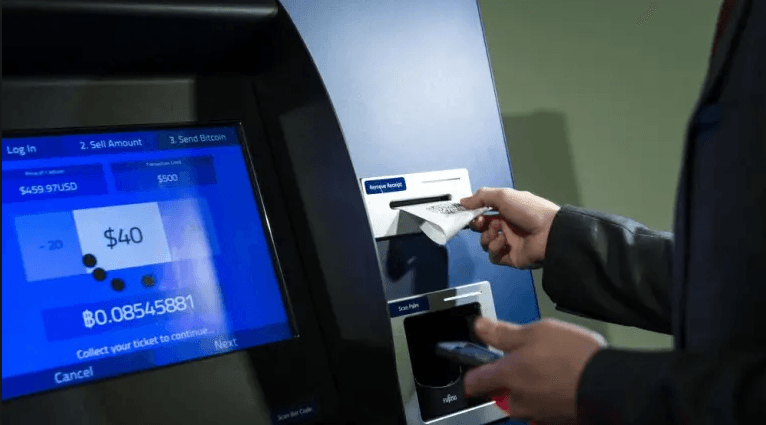
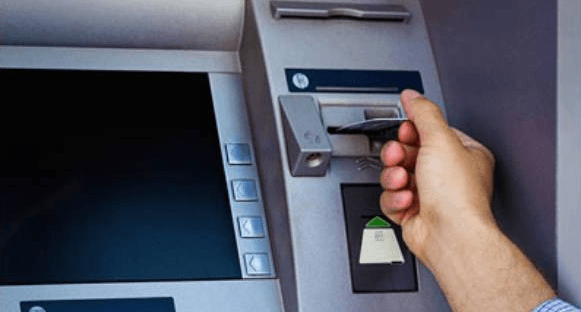
ATMs, which let us meet our cash needs, pay card debt, make transfers, and even withdraw or deposit cash via QR code without a card, have started losing popularity after all these years.

Diagram illustrating the retrieval request process in card transactions

Chargeback

What is a Retrieval Request?

A chargeback is when cardholders dispute a transaction made without their knowledge through their card-issuing bank. So what does a Retrieval Request mean? It is essentially a document request related to transactions a cardholder does not recognize on their statement.

Diagram illustrating the soft chargeback retrieval request process between cardholder, issuer and merchant

Chargeback

What Is a Soft Chargeback?

A soft chargeback, also called a retrieval request, is a request for documents about a transaction the cardholder does not recognize. Learn why customers request them, what information merchants should provide, and why a fast response matters.

Illustration representing a mail order card payment transaction

Merchant & POS

What is a Mail Order transaction?

Mail Order (Mail Order/Telephone Order) is a transaction made by selecting the Mail Order option on a POS or through the virtual POS interface, entering the card number, expiration date, and CVV2. It is typically used when the cardholder is not present.

Family member credit card debt liability

Credit Card

Can I Be Held Responsible for a Family Member's Credit Card Debt?

With economic crises and the pandemic, the number of people struggling to pay has risen. Under the Turkish Civil Code, only the cardholder is responsible for their credit card debt, unless you are a guarantor or inheritance rules apply.

Illustration representing an installment mail order card transaction

Merchant & POS

Is an installment Mail Order transaction possible?

A reader asked whether installment mail order transactions are still possible, and whether a card limit equal only to the installment amount is enough. This article shares the answer.

ATM management and monitoring software

ATM

What Are ATM Management Support Software Tools?

ATMs hold significant amounts of cash, are among banks' most important customer service points and are prone to faults, so they must be monitored from installation onward and acted on quickly.