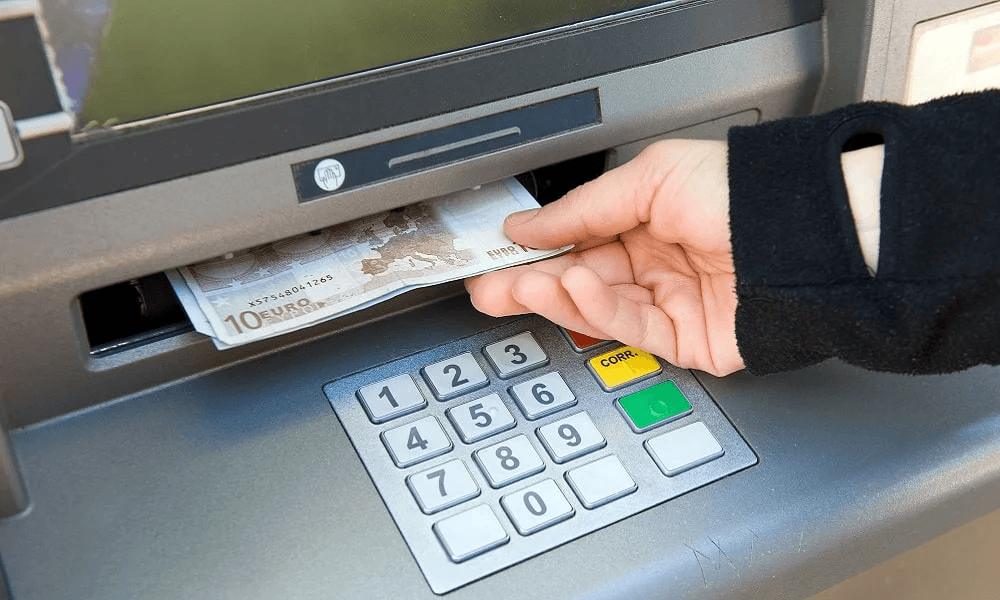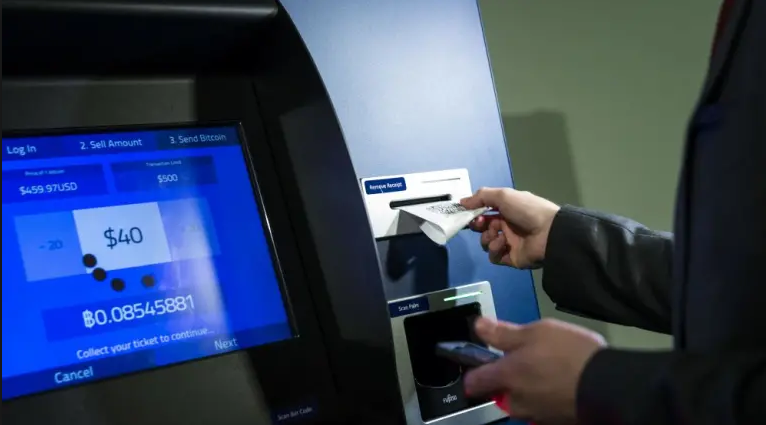
ATMs — where we meet our cash needs without going to a branch, carry out transactions such as paying card debt, wire transfers, and EFT, and, through integration with other applications via QR-code cash withdrawal and deposit, even let us carry out financial transactions without our card — have, after all these years, started to lose their popularity.
According to a study, the number of ATM devices worldwide has declined for the first time.
According to research conducted by London-based RBR, the number of ATMs began falling for the first time last year because banks are closing their branches and redirecting their resources to digital payments.
The study noted that the decline was seen at a rate of 1% in China, the US, Japan, and Brazil — among the world's five largest markets — while for India the note shared was that "growth has slowed significantly."
The number of ATMs worldwide fell for the first time last year, but the move away from machines and toward other channels dates back further. Bank of America, one of America's and the world's leading banks, decided to significantly cut its number of ATMs in 2012, and JPMorgan did the same in 2015. RBR states that the growth rate of ATMs will slow in emerging markets and that a global decline of 0.6% will be seen in this area over the next six years.
So what are the reasons for the decline in the number of ATMs?
- The most important reason is digitalization. Because people can carry out many transactions digitally without physically touching cash.
- Second, as the use of credit cards and similar cards has increased, people's need for cash has decreased. People now carry out their transactions with credit cards or ATM cards instead of using physical cash, and can manage their income and expenses better with cards.
- Banks joining the shared ATM platform and transferring their ATMs to it. Thanks to the shared ATM platform, the total number of ATMs decreases, reducing workload and operating costs.
- As the number of POS devices in the market increases, the number of places accepting credit increases as well, making credit card use more widespread
- Customers being able to meet their cash needs through other channels. For example, being able to withdraw cash through a POS terminal.
- Banks reducing their number of branches, and increasing their technology investments, thereby also reducing their number of ATMs. For example, JPMorgan, America's largest bank, reduced its branches by 2% last year and allocated a budget of $10.8 billion for technology. During this period, the bank achieved a 5% increase in active digital customers and an 11% increase in active mobile customers.
In short, at a time when digitalization is advancing at a dizzying pace, a decline in the number of ATMs was to be expected. It seems that ATM devices, too, will get their share of digitalization's effects. Let's see what kinds of changes we will witness regarding ATM devices in the coming years.