Payment Systems
What Are the Differences Between B2B and B2C?
B2B and B2C are collaboration models used in e-commerce transactions. This post explains what each term means and compares them in terms of customer, purchasing, sales and marketing.
Search
145 articles found
Payment Systems
B2B and B2C are collaboration models used in e-commerce transactions. This post explains what each term means and compares them in terms of customer, purchasing, sales and marketing.
ATM
FLM (First Line Maintenance) refers to service calls that require no tools or parts but are needed to return an ATM to proper working condition. It covers basic issues such as paper jams, cash jams, and restocking consumables.
Security
In payment systems, personalized security credentials are information such as the PIN, card/account/e-money details, expiry date and security code (CVV) that identify the payment instrument and its user.

E-commerce
Consumer-to-Consumer (C2C) is a business model in which consumers trade with each other, usually online. This post explains how C2C works, gives examples from Turkiye, and describes the types of C2C businesses.
E-commerce
B2C stands for Business to Consumer and refers to producers selling their products to consumers online. It is the most widely used and best-known business model in e-commerce.
Laws & Regulations
Yes. A payment or electronic money institution may outsource its information systems, provided it complies with Articles 11 and 16 of the Information Systems Communiqué and Article 13 of the Regulation.
Laws & Regulations
No. Under Law No. 6493, a payment system is a structure completely different from a payment institution and requires CBRT permission. Using such a name without permission can lead to criminal penalties.
Merchant & POS
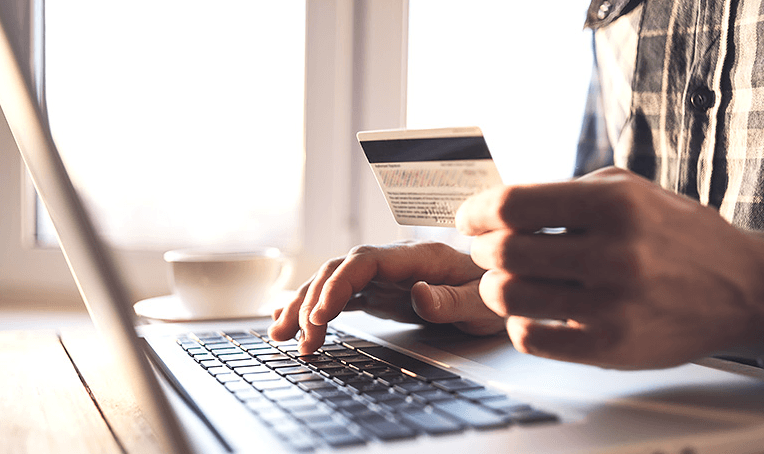
E-Commerce can briefly be described as the sale and purchase of products over the internet, a term used since 1969. Virtual POS operates behind e-commerce transactions, which take place at different levels: Non 3D, Half 3D, and Full 3D Secure.
Payment Systems
“Brick and mortar” refers to a business's physical presence in a building. In banking, it describes the traditional branch-based model of face-to-face contact between bank and customer.

Laws & Regulations
Law No. 7192 amends certain articles of Law No. 6493 on Payment and Securities Settlement Systems, Payment Services and Electronic Money Institutions. Announced on 22 November 2019, it entered into force on 01.01.2020.
Credit Card
SAFE, short for System to Avoid Fraud Effectively, refers to fraud records created by issuing banks. Fraud records sent in the Mastercard clearing format fall under the SAFE category.
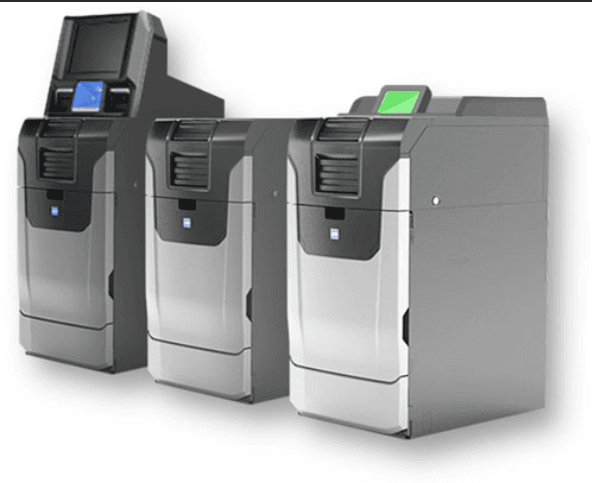
ATM
CDM is short for Cash Deposit Machine. It refers to ATMs that allow you to deposit money directly into your account using a card. You can use CDM ATMs to carry out transactions on your account without visiting a branch.