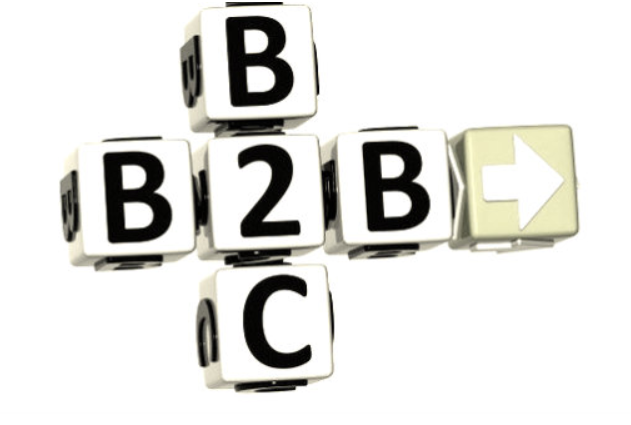
B2B and B2C are collaboration models used in e-commerce transactions.
First, it is worth looking at what B2B and B2C mean.
B2B (BusinessToBusiness) is the name given to the system, seen in dealer networks built by large companies, that operates within a closed network and is used by the company's dealers to run business processes such as procurement, stocking, distribution and marketing effectively. It is also used by companies as a supply marketplace.
B2C is the abbreviation of Business to Consumer and refers to the activity of a producer offering its products to consumers for sale through electronic channels. This is the most widely used and best-known business model in e-commerce. Online stores and web portals are examples of e-commerce activities in the B2C marketing model.
The main difference between B2B and B2C is who the customer is. In general, the term B2B is used when the customers are companies, and B2C when they are individuals. For example, a website that sells books to individuals operates in the B2C style, while a company that sells chemical materials to industrial companies operates in the B2B style.
How can we assess B2B and B2C in terms of Customer, Purchasing, Sales and Marketing?
“Customer” perspective
- B2B customers focus more on the logic of the product, while B2C customers focus more on the benefits the product provides.
- Personal emotions play no part in a B2B customer's purchasing decision, whereas a B2C customer brings emotions into the purchase.
- B2B customers focus on how much time, cost and resources the product will save, while B2C customers focus on the benefits and the outcome it will deliver.
“Purchasing” perspective
- In B2B, the purchasing stages are long and complicated, whereas in B2C the process is simple and completed quickly.
- In B2B, the purchasing stage requires the decision of more than one person, whereas in B2C the decision of a single person is enough.
“Sales” perspective
- In B2B, consultative selling is required based on the customer's needs and the mutual trust built between both parties, whereas in B2C sales are made directly, either to the customer or through dealers.
“Marketing” perspective
- In B2B marketing, brands help their customers become aware of their offering, whereas in B2C brands encourage customers to buy and work to make them loyal customers.
- In B2B, the brand is built through individual relationships and consultative selling, whereas in B2C advertising and social media platforms are used for this purpose.