Skip to content

Search

"Card Processing"

311 articles found

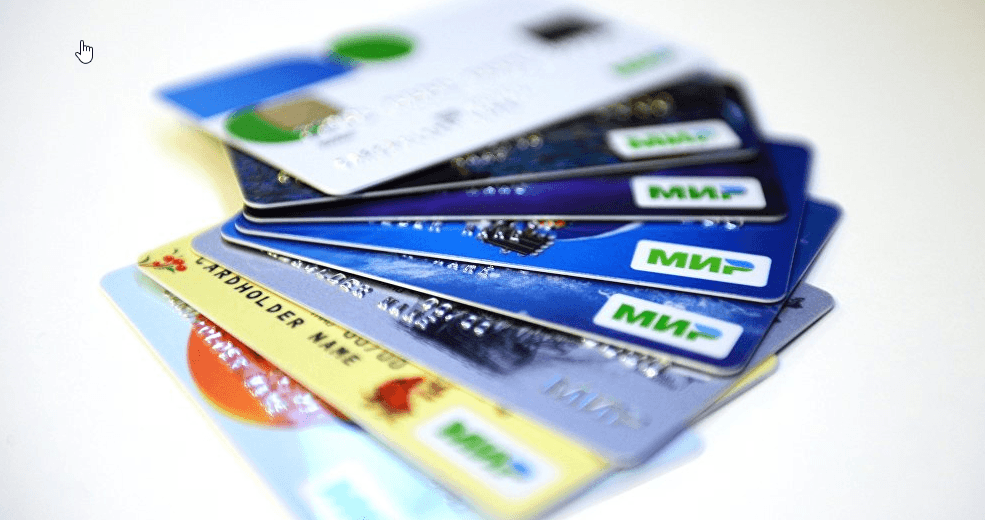
Illustration representing the Mir payment card scheme

Merchant & POS

2 Turkish Banks Agreed to Accept the Mir Payment System

In Turkey, there are 3 payment schemes we are used to seeing: MasterCard, Visa, and Troy. American Express and Diners Club are also used, though less widely. Russia's Central Bank recently said two Turkish banks are preparing to accept Mir cards.


Illustration of ways merchants can reduce chargebacks on card transactions

Chargeback

How to Reduce Chargebacks (For Merchants)

Chargeback is inherent to card transactions, so it may be impossible to prevent entirely, but taking precautions keeps the risk to a minimum. Here are the key points merchants should pay attention to in order to reduce chargebacks.

Screenshot of an Address Verification Service (AVS) response code table

Merchant & POS

What is Address Verification Service (AVS)?

Address Verification Service (AVS) is a fraud prevention system that helps limit fraud and chargebacks when used effectively. It verifies that the address a customer enters matches the cardholder's address on file with the issuer.

ISO/IEC 10373 identification card test methods

Credit Card

What Is ISO/IEC 10373?

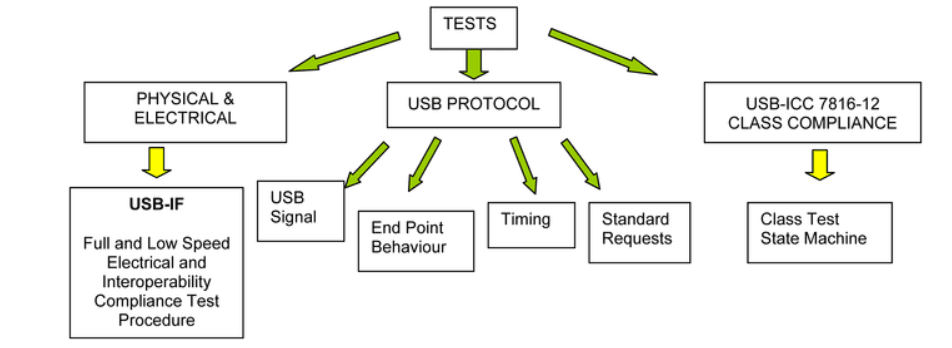
ISO/IEC 10373 specifies the technology-independent test methods needed to check that identification cards conform to the base requirements defined in ISO/IEC 7810 and related standards.

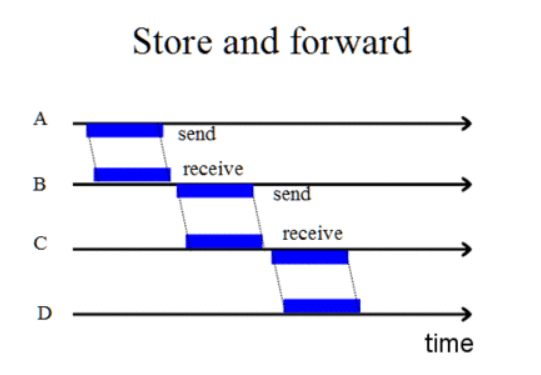
Diagram illustrating the Store and Forward (SAF) offline transaction process

Payment Systems

What is Store and Forward (SAF)?

Store and Forward (SAF) describes offline transaction processing. It was originally developed when modems were introduced and connections were not always stable, letting terminals store transactions and forward them once connectivity is restored.

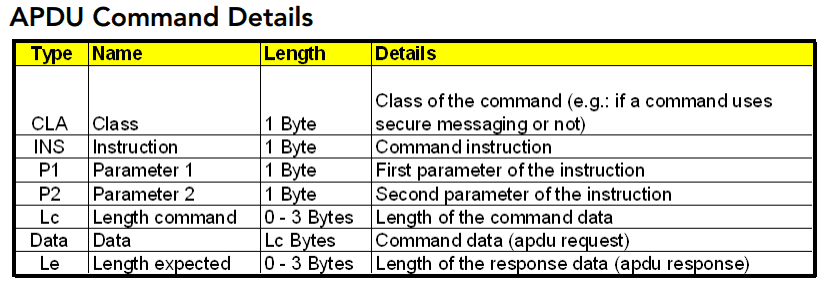
Diagram of the Command APDU structure fields: CLA, INS, P1, P2, Lc, Data Field, Le

Online & Authorization

What is an APDU (Application Protocol Data Unit) Command?

An APDU is an application-level protocol defined in ISO 7816-4 and used between a smart card and a POS, ATM, etc. There are two types of APDU: Command APDU and Response APDU. The structure of the APDU is given below.

EMV Lower Consecutive Offline Limit 9F14 illustration

EMV

What Is the Lower Consecutive Offline Limit?

The Lower Consecutive Offline Limit is the maximum number of consecutive offline transactions allowed by the ICC application, as set by the issuer, on a terminal capable of going online. It is sent in tag 9F14.

Illustration representing electronic payment systems

Payment Systems

What are Payment Systems?

Let's talk about payment systems, which we have heard more about since the internet entered our lives, and the basic structures behind them. The first credit card in the world was used in America in the 1920s.

Diagram illustrating the card authorization process

Merchant & POS

What Happens During Authorization?

Today, credit cards play an important role in our daily lives. We can carry out almost all of our transactions without carrying cash, using our credit card instead. During a purchase, we hand our card to the cashier and enter our PIN at the POS terminal.

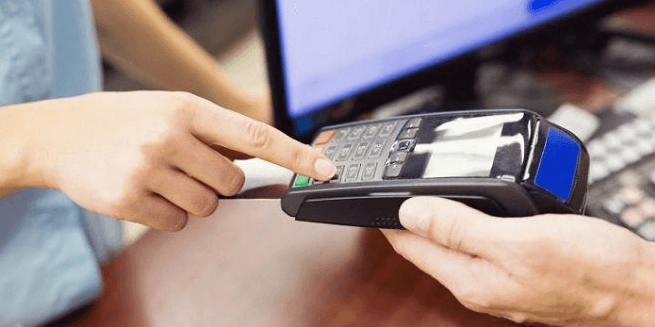
PIN pad screen on a payment terminal for entering a card PIN

Credit Card

What Happens If I Enter the Wrong PIN on Card Transactions?

Nearly all transactions where credit and debit cards are used physically require a PIN. The PIN represents the cardholder's identity. Here is what happens if a customer enters the wrong PIN too many times and how the card is restored.

Stand-in authorization flow diagram

Credit Card

What is Stand-In Authorization?

In the standard authorization flow, the transaction is initiated by the acquirer (POS bank) and forwarded to the issuer (card-issuing institution). The process is completed once the issuer responds. However, this isn't always possible; when the issuer fails to respond, BKM steps in...