Skip to content

Search

"POS security"

122 articles found

Diagram illustrating ISO 8583 field F23, the card sequence number

ISO 8583

ISO 8583 Field Descriptions (F23)

F23 - CARD SEQUENCE NUMBER: Information used to distinguish cards sharing the same card number. For example, the Card Sequence Number is incremented by 1 when a card is renewed. In an authorization transaction, if the F22 value is '05x'...
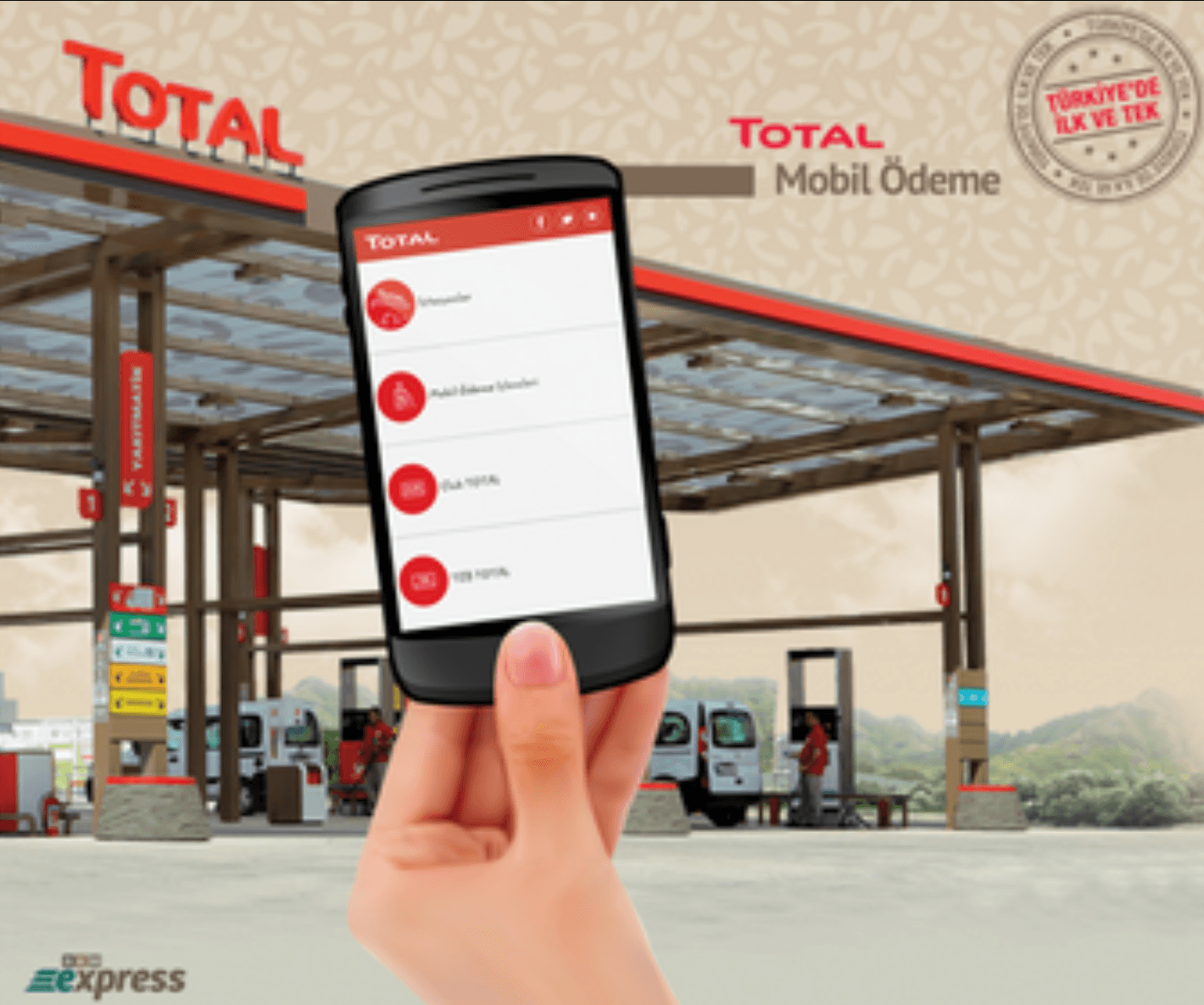
Screenshot of the TOTAL mobile payment flow for paying for fuel from the car

Merchant & POS

A New Era in Fuel Retail: Paying Without Getting Out of the Car

Mobile phones are entering our lives more every day. One study found people forget their wallets more often than their phones. This post explains how to buy fuel with TOTAL Mobile Payment and BKM Express without getting out of the car.

Payment card being checked against a card recovery bulletin of problem cards

Merchant & POS

What Is a Card Recovery Bulletin (Card Protection Bulletin)?

A Card Recovery Bulletin is a list of problem cards (lost, stolen, expired, over-limit, counterfeit or otherwise flagged) published by card schemes such as Visa or MasterCard. It shows whether a card number is listed on the date of purchase.

ISO 8583 field 52 PIN data encrypted PIN block

ISO 8583

ISO 8583 Field Descriptions (F52)

DE 52 — Personal Identification Number (PIN) Data: the field that holds the PIN data. PIN verification is carried out based on this field.

UnionPay logo

Merchant & POS

What Is UnionPay?

UnionPay International (UPI) is a China UnionPay subsidiary founded in November 2012. Together with more than 1,000 institutions worldwide, UPI provides international card acceptance in 160 countries and card issuance in more than 40 countries and regions.

Illustration of Host Card Emulation (HCE) enabling contactless mobile payments

Online & Authorization

What Is HCE?

HCE lets a mobile device's operating system emulate the cards we use daily (credit, debit, gift cards, etc.) to make contactless payments via NFC. In other words, our phones behave like the cards we use for payments.

Diagram illustrating the tokenization and detokenization process for card payments

HCE

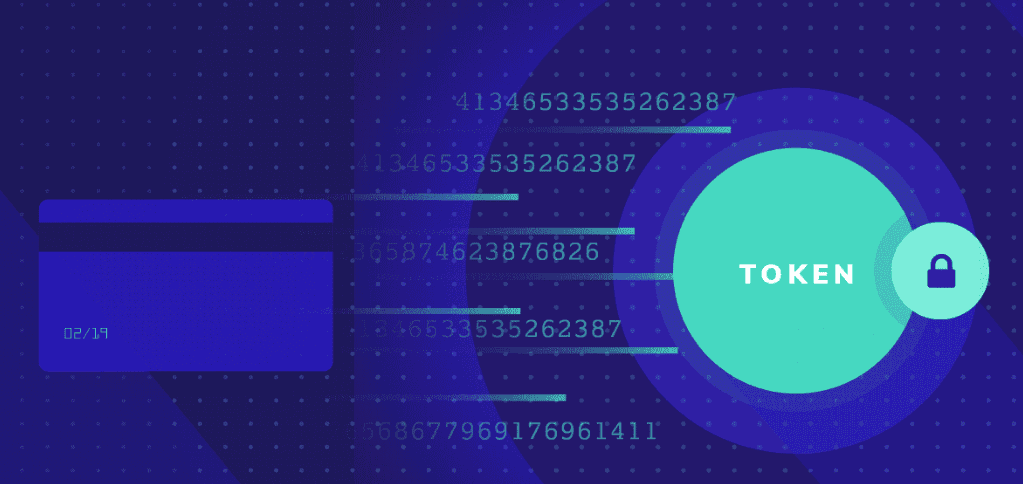
What Are Tokenization and Detokenization?

Tokenization generates secure data from a credit card number, using specific algorithms, for use during authorization. In CNP transactions, it removes the risk of storing or compromising the original card number.

Diagram of the components that make up an HCE transaction token

HCE

What components make up an HCE Token (Transaction Token)?

The token used in HCE transactions contains more than just a new number derived from the card number. It also includes single-use keys, an expiration date, RSA keys and certificates, transaction limits, and an Application Transaction Counter (ATC).

Illustration of a customer completing a payment through an online payment link

Merchant & POS

What Are the Advantages of Paying with an Online Payment Link?

Advances in payment systems make shopping safer and easier for customers. For e-commerce sites and brands, offering reliable, practical and fast payment options is a serious advantage. An online payment link is one innovative way to accept payments without a POS device.

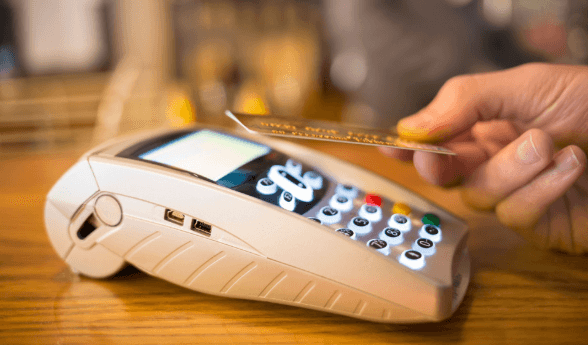
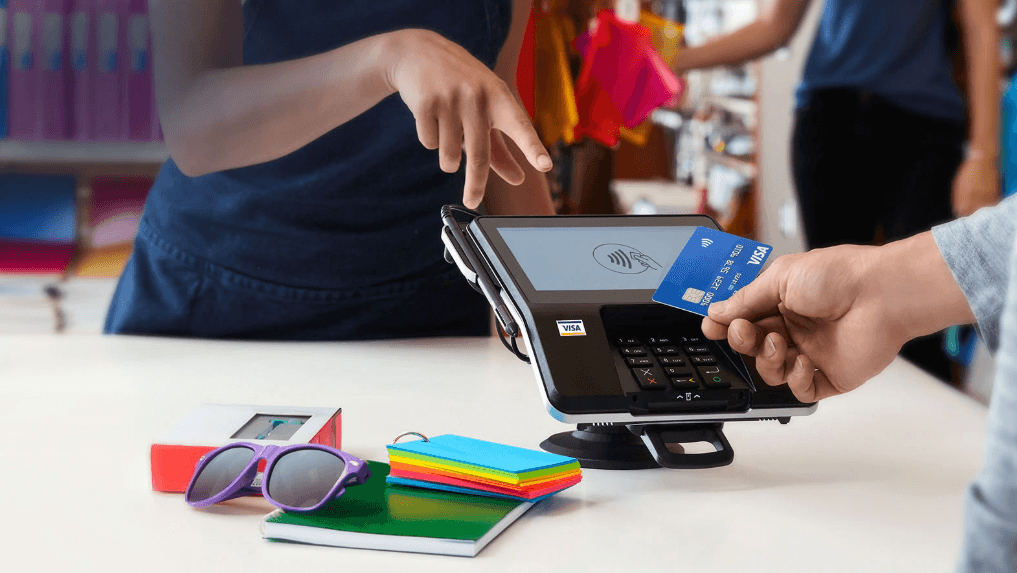
Illustration of a contactless payment card being tapped on a POS terminal

Contactless

What is Magnetic Stripe Data (MSD)?

As end users, we have come to love contactless payments, which are becoming a bigger part of daily life. So what features let contactless cards make payments without touching the POS terminal? There are two classes: MSD cards and Contactless EMV cards.

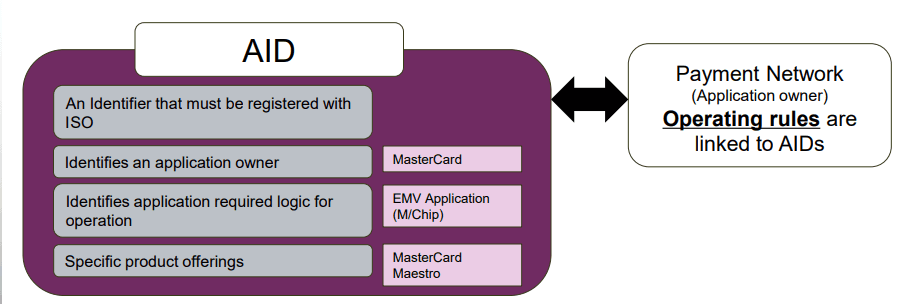
Illustration showing how an Application Identifier (AID) is used in a chip card transaction

EMV

What is an Application Identifier (AID)?

The AID tells the terminal which applications are present on a chip during a POS or ATM transaction. What does the AID do? It lets the terminal determine whether it supports an application on the chip. In Tag 9F06, it is 5-16 digits long.