
ISO 8583
ISO 8583 Field Descriptions (F34)
F34 — Primary Account Number, Extended: this field is filled when the card number cannot be placed in F2 because it is longer than 19 digits or contains special characters.
Search
223 articles found
ISO 8583
F34 — Primary Account Number, Extended: this field is filled when the card number cannot be placed in F2 because it is longer than 19 digits or contains special characters.
ISO 8583
F32 - ACQUIRING INSTITUTION IDENTIFICATION CODE: the 11-digit acquirer bank ID. The values it can take for domestic transactions and by card brand include Visa, MasterCard, UnionPay, Discover and JCB formats.
Credit Card
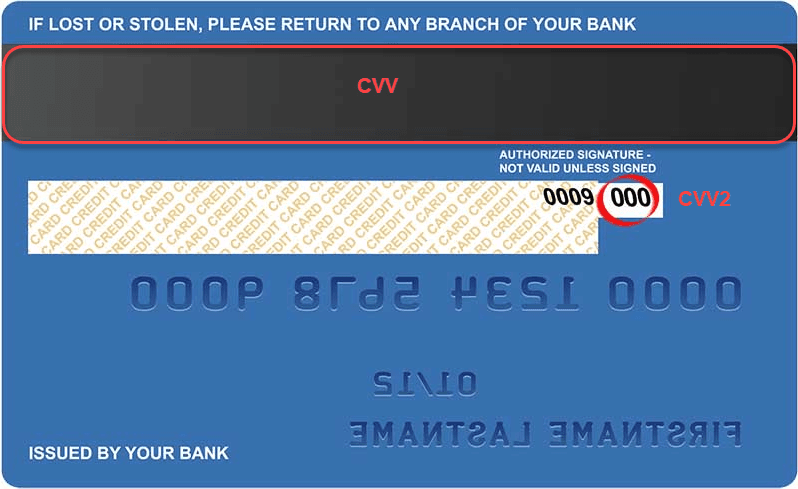
CVV (CVC) and CVV2 (CVC2) are two terms that cardholders often confuse. Both are used for verification in card transactions, but there are notable differences between them, such as where each is printed and which transactions use it.

Payment Systems
Let's talk about payment systems, which we have heard more about since the internet entered our lives, and the basic structures behind them. The first credit card in the world was used in America in the 1920s.

HSM & Security
RSA, first used by Rivest, Shamir and Adleman, is a security algorithm used in digital cryptography. RSA differs from older symmetric algorithms because it enables digital signing and advanced encryption for e-commerce systems and high-profile institutions.
ISO 8583
F22 - POINT OF SERVICE ENTRY MODE: This field holds how the transaction was performed via the POS/ATM and the PIN entry capability of the POS device. The first 2 digits show how the transaction was performed, and the last digit (shown as x) carries the POS's PIN entry capability. Numeric...

Closed-Loop Payments
Is Starbucks really selling coffee, or building an ecosystem? Prepaid balances, a loyalty program and customer data turn a coffee chain's payments into a closed-loop economy, a very different model from Istanbulkart.
Merchant & POS
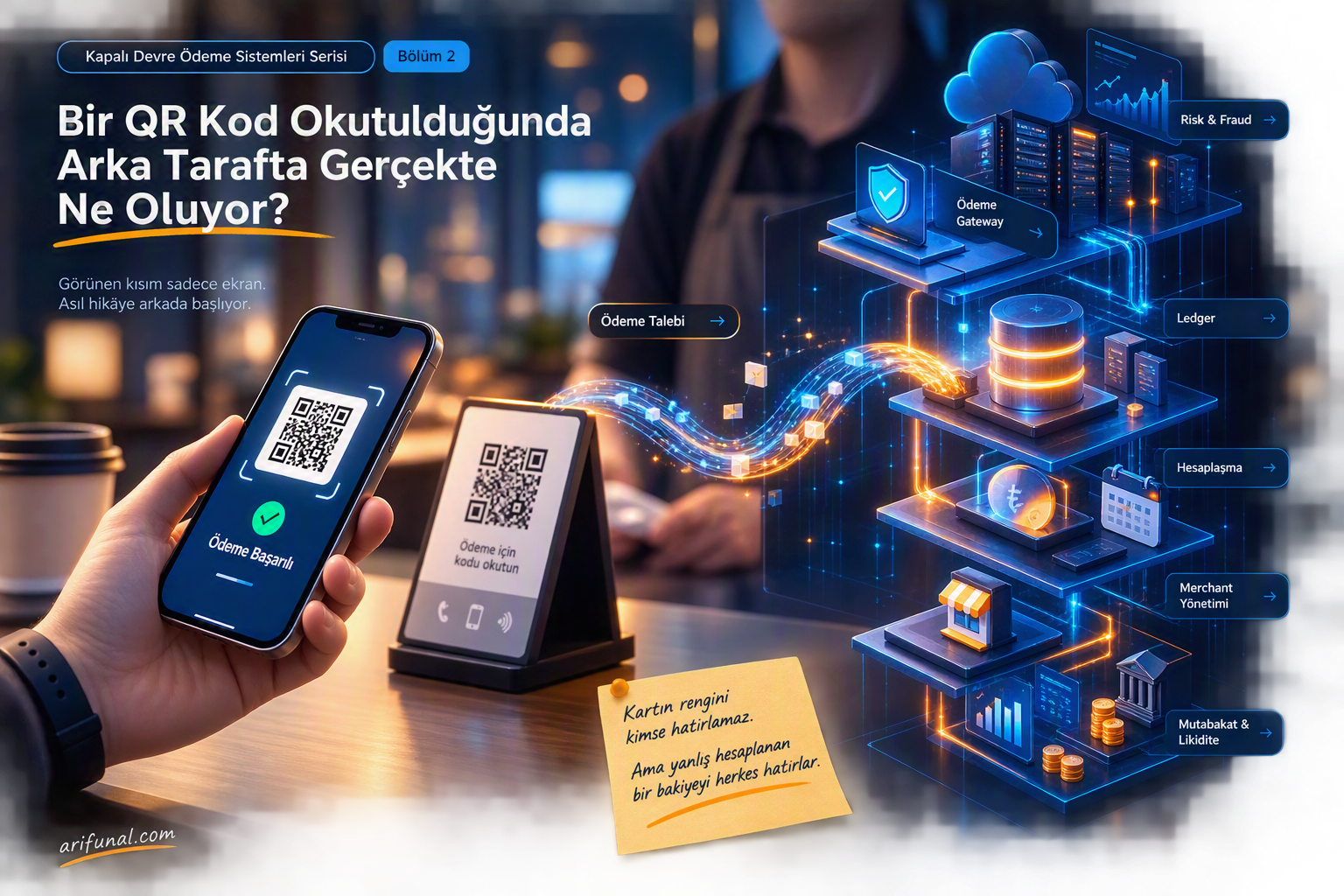
In the first post I explained what closed-loop payment systems are and how they differ from open-loop ones. Many of the replies I received boiled down to one question: how do these systems actually work behind the scenes once a QR code is scanned?
Laws & Regulations
The Visa Core Rules and Visa Product and Service Rules documents define the fundamental rules that apply to all institutions in the Visa network. They are updated regularly, and all members are expected to follow the latest version.
Merchant & POS
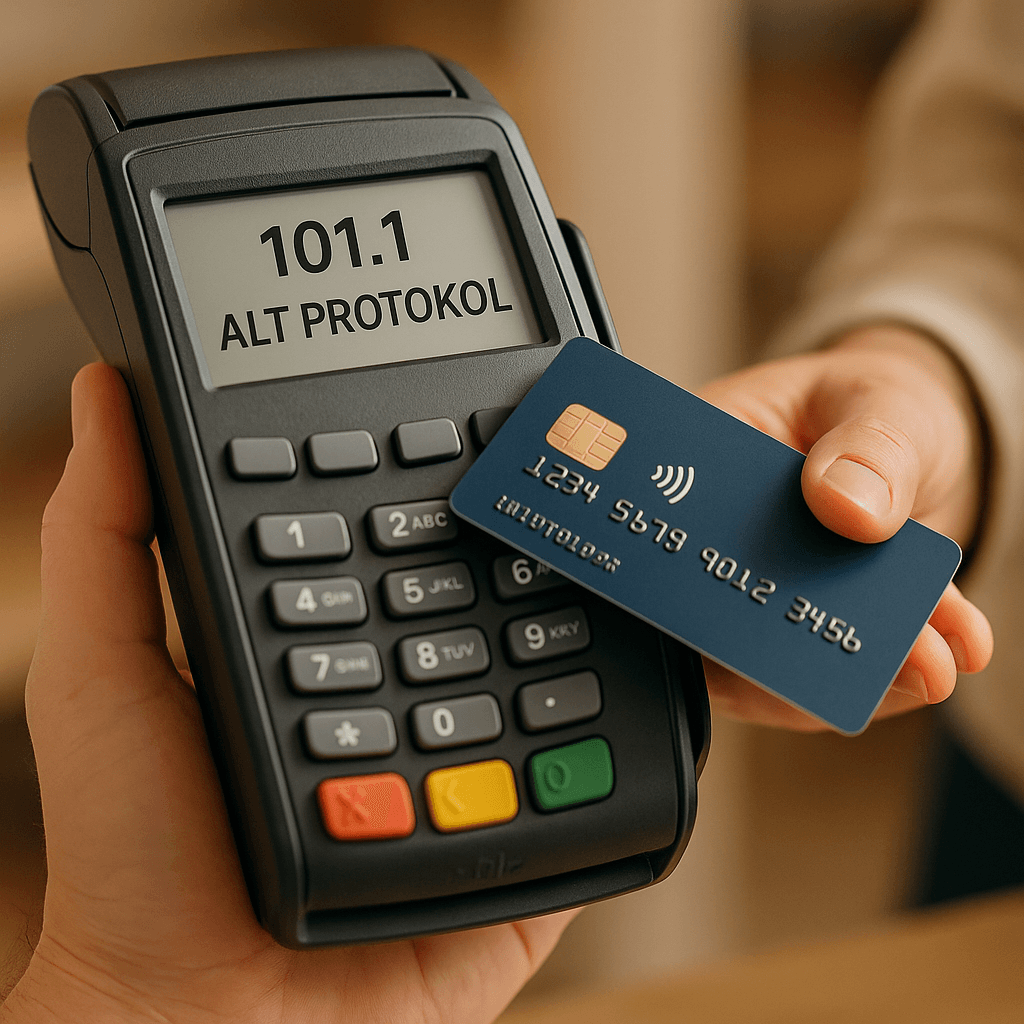
In payment systems, every exchange between POS devices and bank or payment institution systems runs on a specific messaging standard, generally based on ISO 8583. However, each country, bank, or switch network defines its own version of this standard.
Merchant & POS
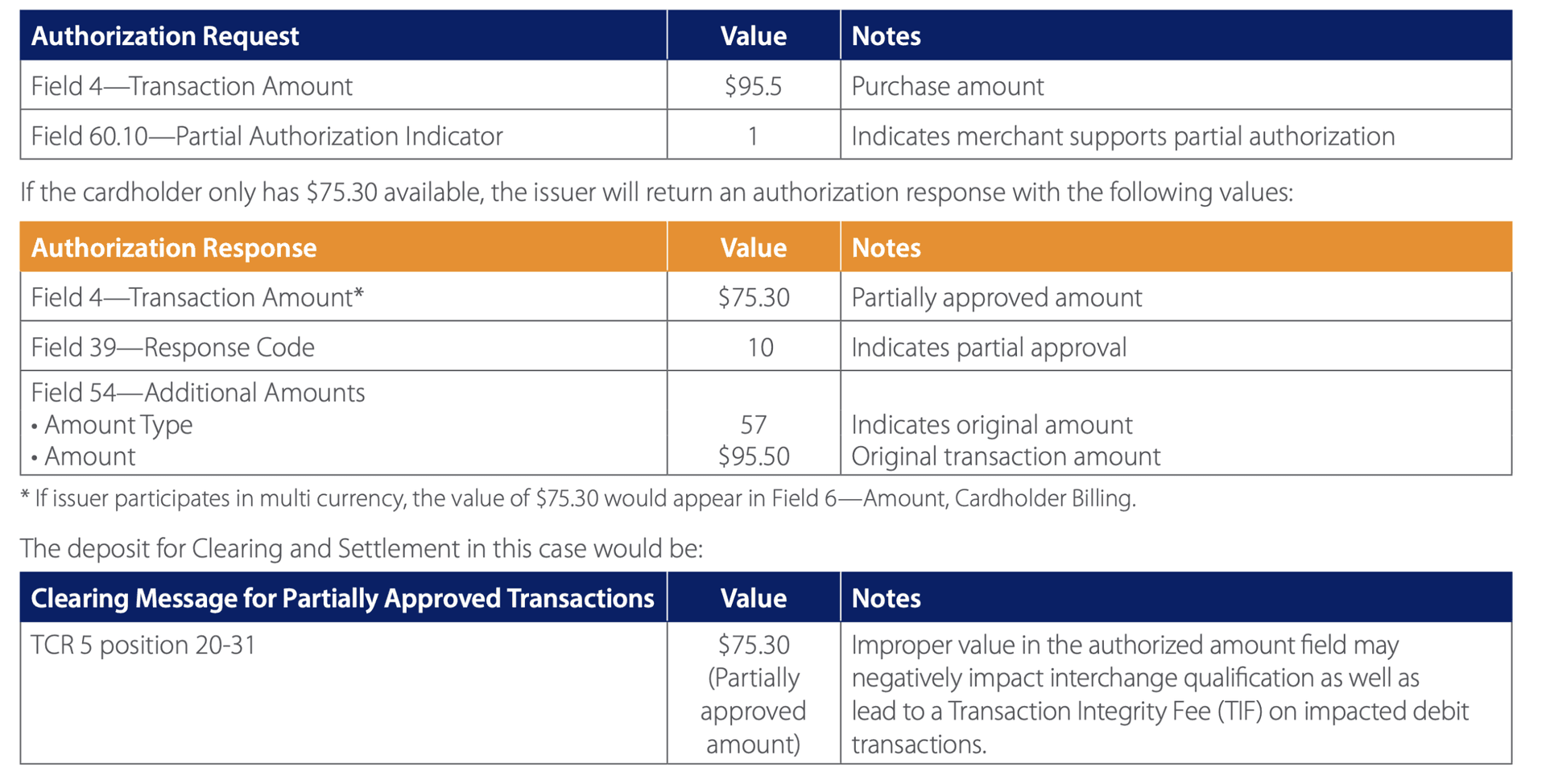
Partial Authorization lets an issuer approve part of a transaction instead of declining it when the balance or limit is insufficient. This post covers how it works in ISO 8583, whether it is mandatory, and why it matters for the business.
ATM
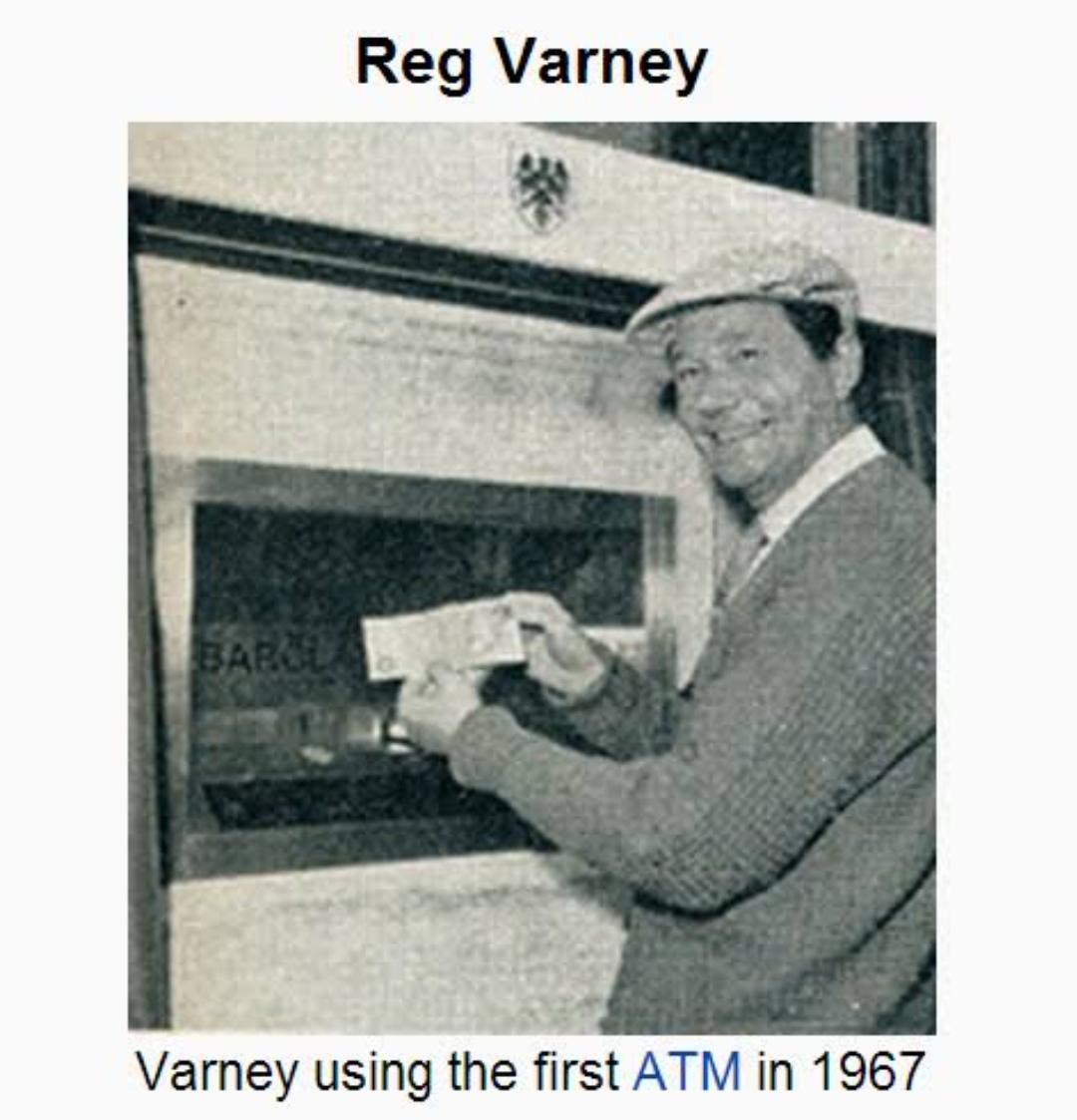
The first device that can truly be called an ATM was produced by De La Rue for Barclays Bank and put into service in Enfield, London, on 27 June 1967. The ATM came to Türkiye in 1982.