Skip to content

Search

"card issuer"

125 articles found

Illustration explaining how a card's CVV value is generated

Credit Card

How is CVV generated?

CVV is a very critical 3-digit value used during a card's authorization process. The CVV value is encoded in the card's magnetic stripe data (Track 1 and Track 2). Is it generated by an algorithm or chosen at random?


Diagram illustrating the ISO 8583 F39 response code field

ISO 8583

ISO 8583 Field Descriptions (F39)

F39 - RESPONSE CODE: This is the code showing whether the transaction was approved or declined. It is 2-digit alphanumeric. Typically 00 is sent when approved, and a decline reason code is sent when declined.

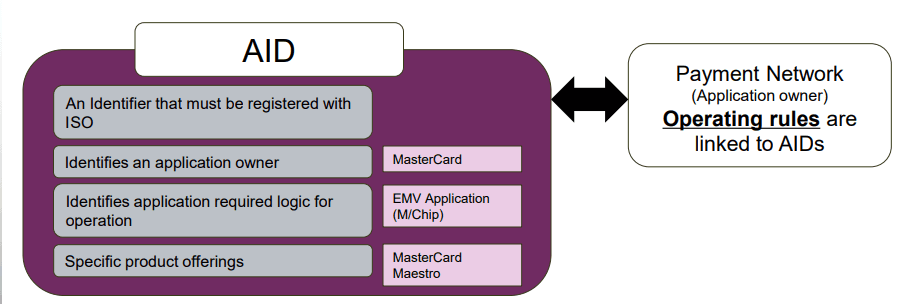
Illustration showing how an Application Identifier (AID) is used in a chip card transaction

EMV

What is an Application Identifier (AID)?

The AID tells the terminal which applications are present on a chip during a POS or ATM transaction. What does the AID do? It lets the terminal determine whether it supports an application on the chip. In Tag 9F06, it is 5-16 digits long.

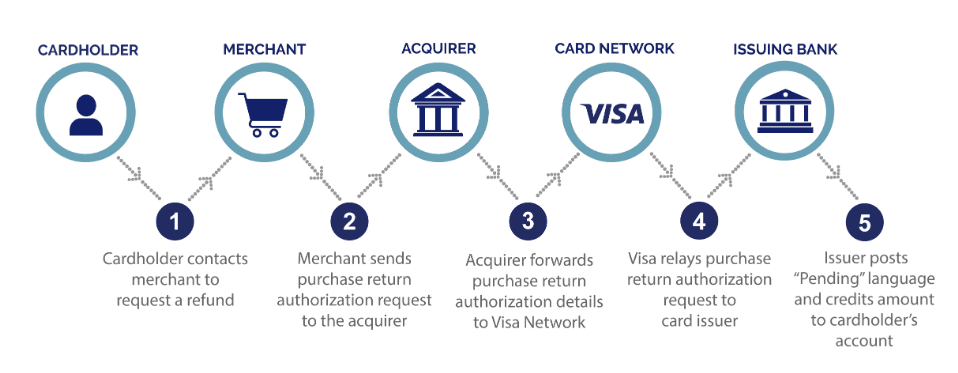
Diagram explaining the Visa Purchase Return Authorization process for card refunds

Credit Card

What Is Purchase Return Authorization?

A structure developed by Visa for purchase refund transactions. The purchase return authorization message lets cardholders view their refund transactions in real time, improving the customer refund experience.

Diagram of an Onus installment transaction flow between POS and HOST

Payment Systems

What are the key points in an Onus Installment project?

Before describing the Onus Installment process, it is better to first answer: what is an Onus transaction? An Onus transaction is when the acquirer and issuer are the same institution, so the transaction is processed through that institution.

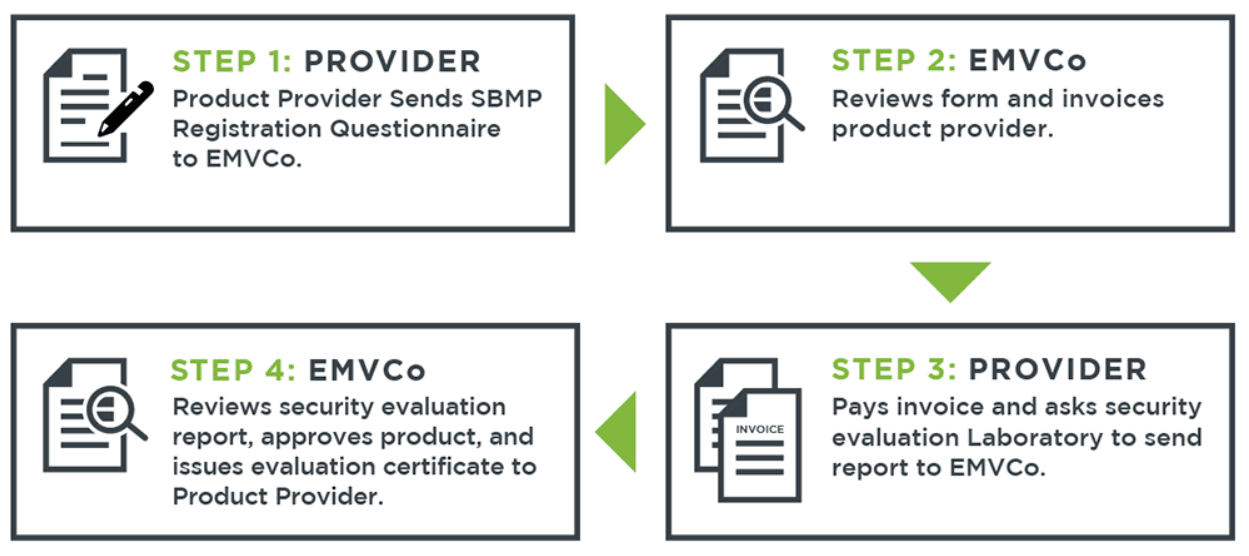
Cover of the EMVCo Software-based Mobile Payment Security Requirements document

Security

What is Software-based Mobile Payment Security Requirements?

“Software-based Mobile Payment Security Requirements” is a document published by EMVCo in April 2020 to guide payment application developers in building secure payment applications. This post summarizes its purpose and who it concerns.

Issuer data and BIN definitions on POS terminals

Merchant & POS

Why Are Issuer Data Definitions Important?

The most important part of issuer data definitions is that they are built around your own bank's or institution's developments and application flows. Missing BINs can break installments, rewards and routing on POS devices.

American Express chargeback reason codes list from the Chargeback and Exception Processing Guide

Chargeback

What Are the American Express Chargeback Reason Codes?

Chargeback reason codes vary by card scheme. The Amex chargeback reason codes and their descriptions are listed below: American Express Chargeback Reason Codes A01 The charge you submitted did not receive a valid authorization approval code for the amount...

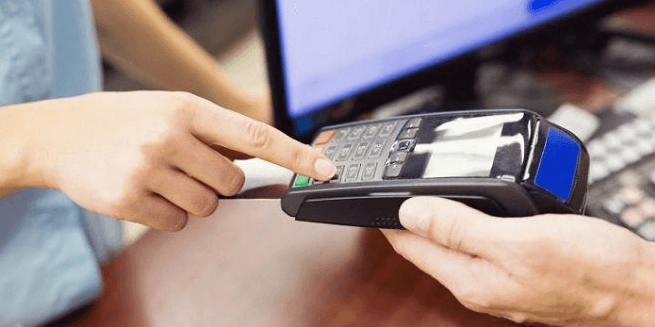
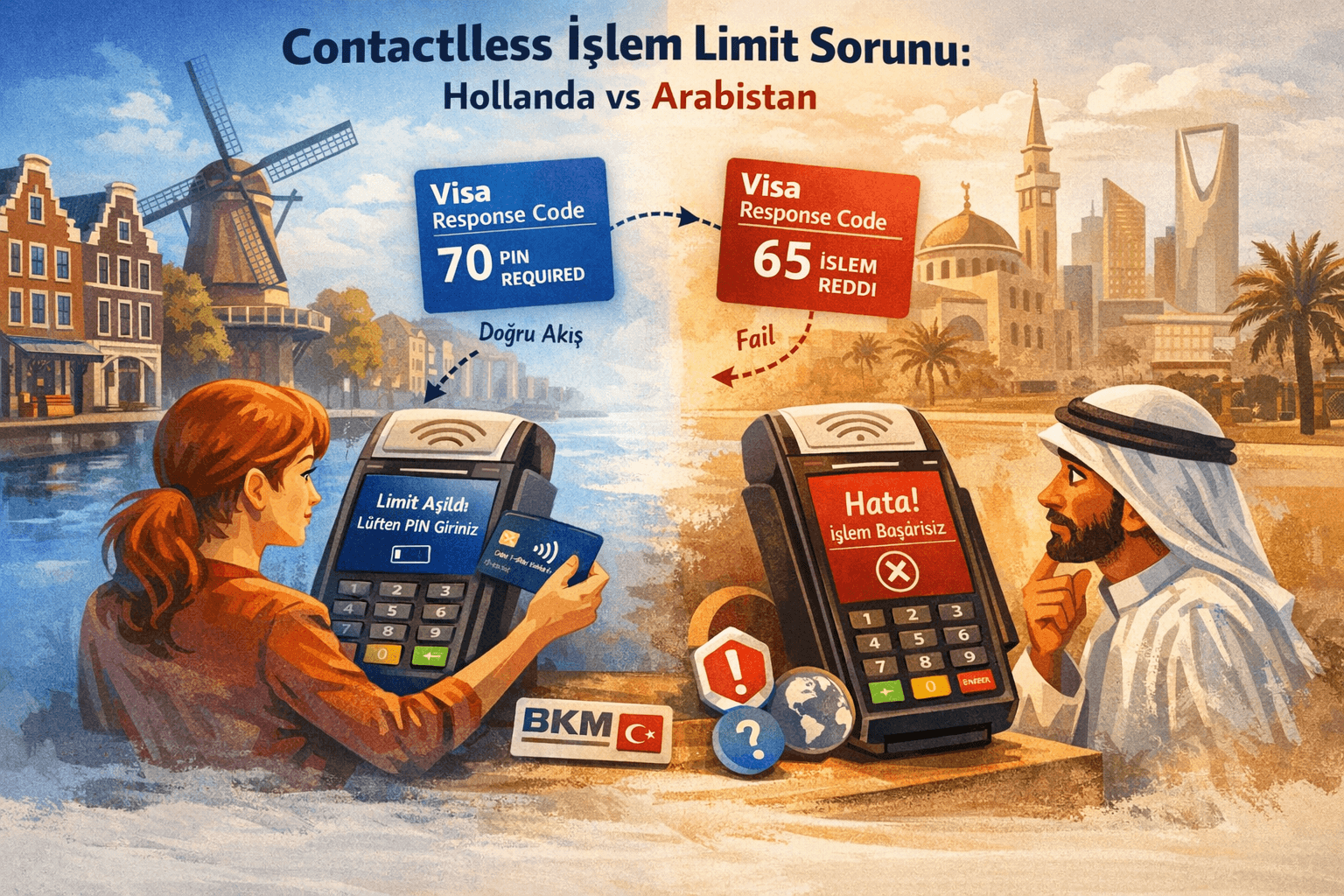
Contactless card payment on a POS terminal abroad

Credit Card

On the Issue with Visa Contactless Transactions Abroad...

From the outside, Visa contactless looks simple, but once the limit is exceeded and PIN comes into play it gets deeper. Why do response codes 65 and 70 behave so differently on POS devices in different countries, such as the Netherlands and Saudi Arabia?

Diagram illustrating the Card Personalization Validation (CPV) process

Credit Card

What is CPV (Card Personalization Validation)?

CPV stands for Card Personalization Validation. It is Mastercard's term for the set of recommendations and instructions defined for the card personalization process. The equivalent for Visa is called GPR (Global Personalization Requirements).