
Merchant & POS
What is CAVV? What is AAV?
CAVV and AAV are verification codes used in 3D Secure transactions to ensure transaction integrity and security. CAVV is used by Visa, while AAV is used by Mastercard.
Search
128 articles found
Merchant & POS
CAVV and AAV are verification codes used in 3D Secure transactions to ensure transaction integrity and security. CAVV is used by Visa, while AAV is used by Mastercard.

Merchant & POS
Address Verification Service (AVS) is a fraud prevention system that helps limit fraud and chargebacks when used effectively. It verifies that the address a customer enters matches the cardholder's address on file with the issuer.
Security
These are passwords generated for one-time use and sent to the cardholder's phone to verify card transactions in payment systems. The password sent during a 3D Secure transaction is a common example.

ISO 8583
DE 52 — Personal Identification Number (PIN) Data: the field that holds the PIN data. PIN verification is carried out based on this field.
HCE
The HCE cloud-based security infrastructure consists of four main pillars: Tokenization, Risk Management, Session Keys, and User/Device Authentication. Tokenization indicates the type of token generation, and there are three different tokenization methods.

Merchant & POS
Today is April 23, the 100th anniversary of the opening of the Grand National Assembly. Taking Children's Day as a starting point, this post looks at digitalization, Generation Z, blockchain, biometric payments and the cashless society from a payment systems perspective.
Merchant & POS
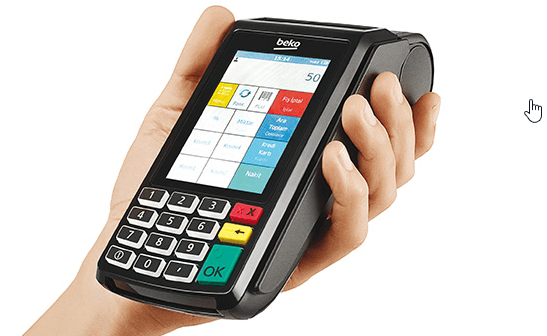
The floor limit is the value held on the POS that determines the maximum amount for which an offline transaction can be approved. It is managed per terminal and can be updated at any time through the POS parameter management system.
Payment Systems
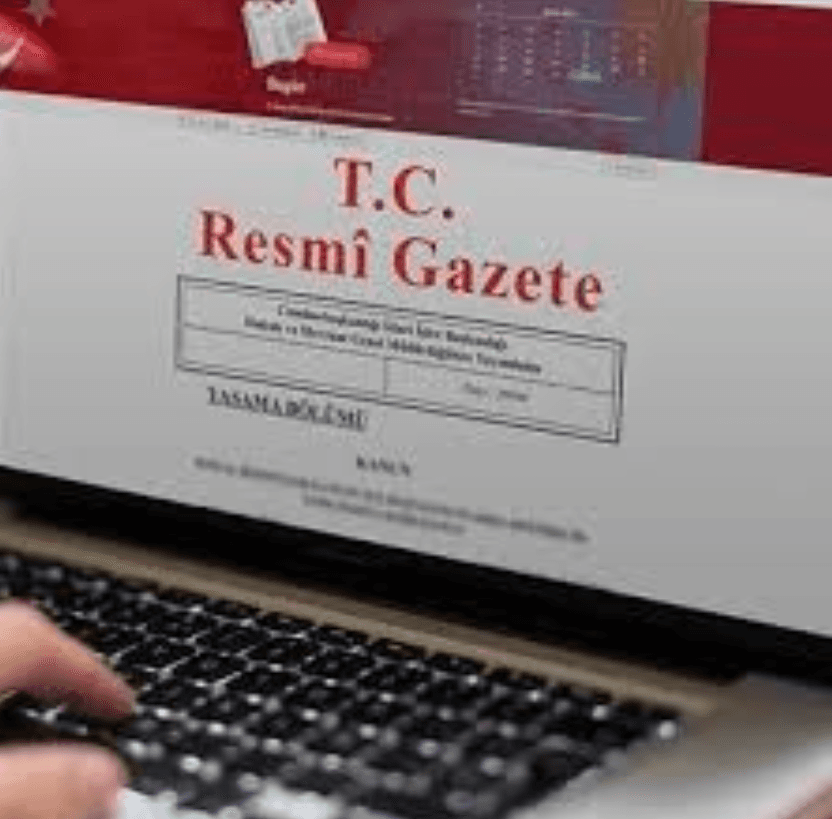
Official Gazette No. 32332 dated 07.10.2023 published the amending Regulation and Communiqué covering digital wallets, e-money, share transfers, cloud outsourcing, remote identity verification and card system choice.

Merchant & POS
Digitalization has brought major change to payment systems, just as it has to every area of our lives. Its biggest impact has been turning the financial world into something virtual, spanning IoT, mobile payments, blockchain and biometrics.
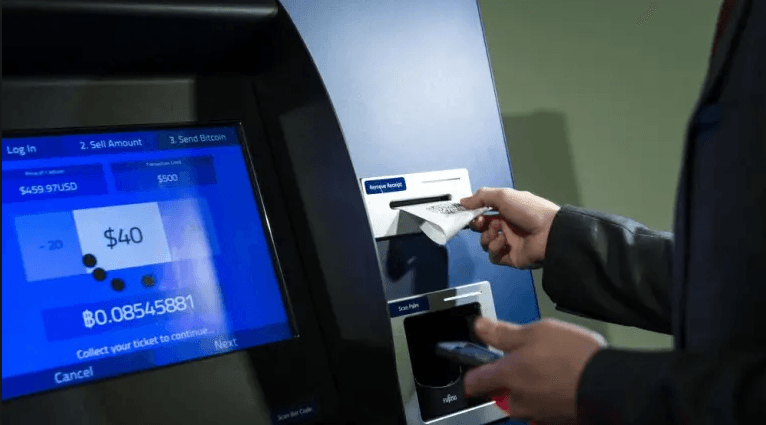
ATM
A Bitcoin ATM (BTM) is a specialized kiosk designed for Bitcoin transactions, letting users buy and sell Bitcoin. General features: it enables Bitcoin purchases and sales, and while it visually resembles traditional ATMs...

Cryptocurrency
Cryptocurrencies are becoming part of everyday life and are expected to compete seriously with card payments. This glossary explains the key crypto terms, from address, altcoin and arbitrage to halving, mining, proof of stake and stop-loss.
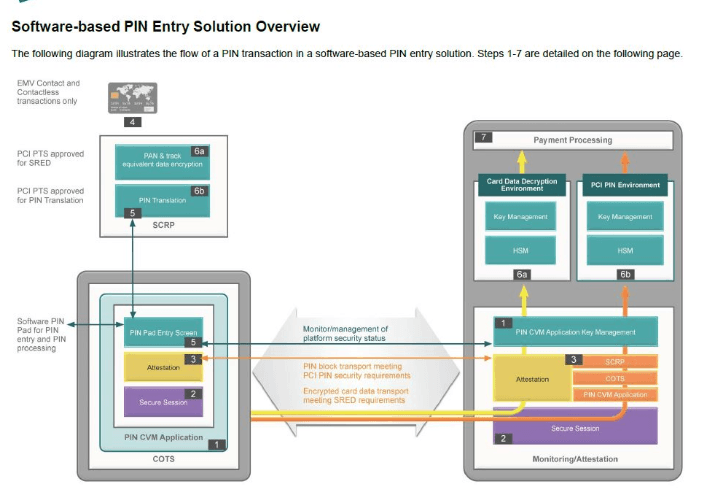
Security
Published by the PCI SSC, Software-based PIN Entry on COTS (SPoC) is a standard that provides a software-based approach for protecting PIN entry on commercial off-the-shelf devices such as smartphones and tablets.