Skip to content

Search

"payments data"

183 articles found

Diagram illustrating the relationship between KEK and DEK encryption keys

HSM & Security

What is KEK (Key Encryption Key)?

KEK (Key Encryption Key) is an encryption key used to encrypt the DEK (Data Encryption Key) and decrypt the encrypted DEK. The relationship between KEK and DEK: in encryption systems, keys are managed in a layered structure.
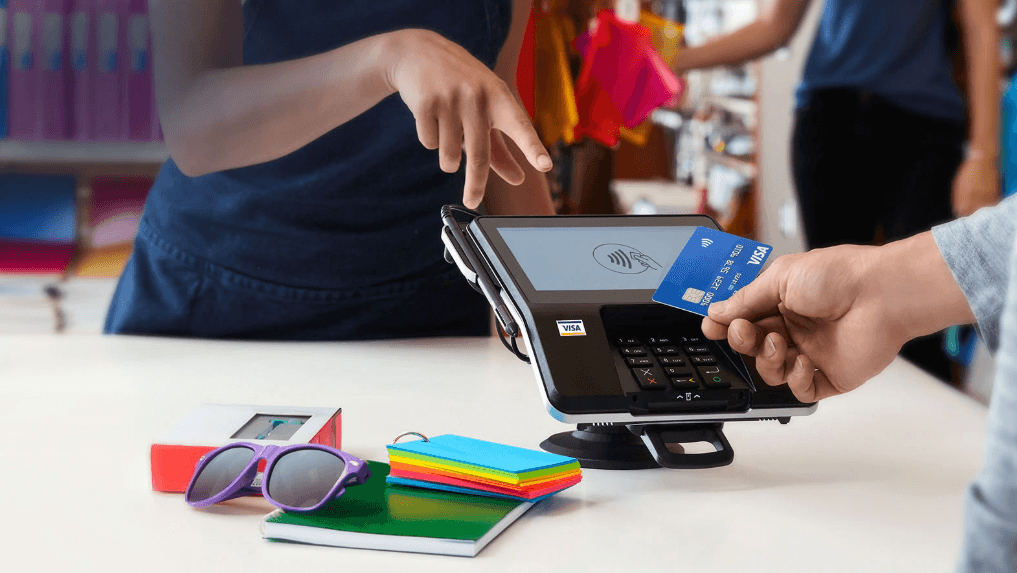
Contactless payment being made with a card at a POS terminal

Online & Authorization

When Does a Contactless Transaction Post to the Account?

A contactless transaction is a fast, secure payment made without direct contact between the card and the POS terminal (without reading the chip or magnetic stripe). Can every card be used for contactless payments? For a transaction to be contactless…

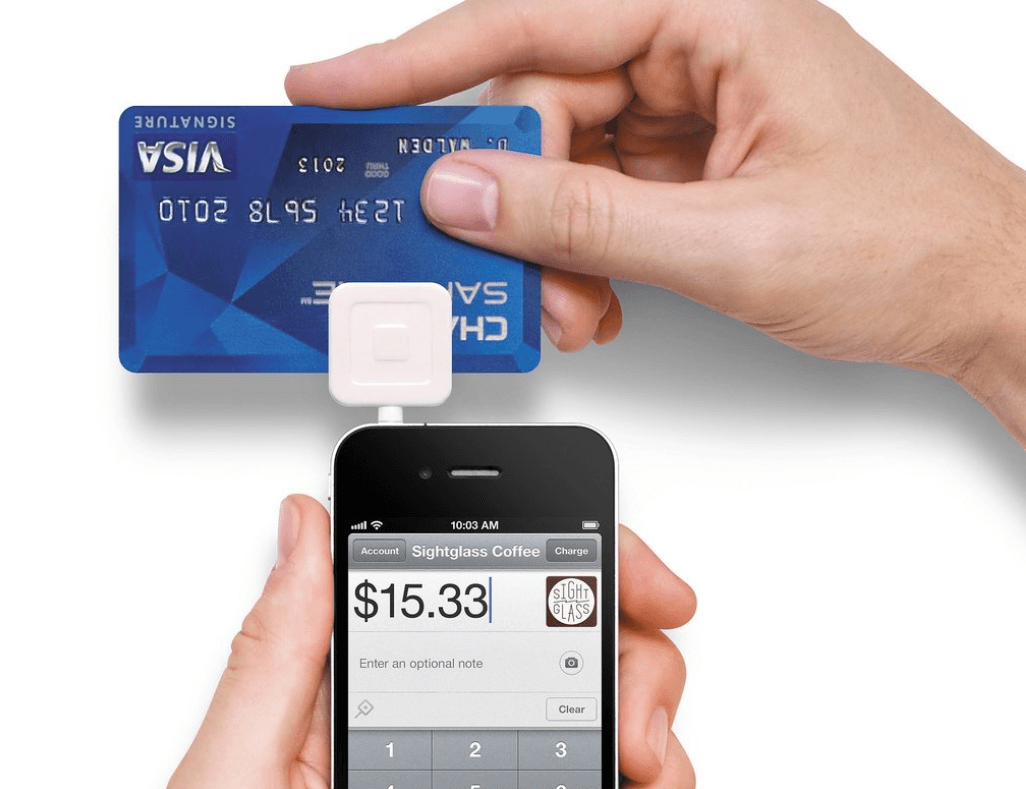
Secure Card Reader for PIN with mobile device

Security

What Is a Secure Card Reader for PIN (SCRP)?

A Secure Card Reader for PIN (SCRP) is a multi-function card reader that turns any iOS, Android or Windows device into a payment terminal able to accept chip and contactless payments with PIN.

Diagram of the ISO 8583 field F45 Track 1 data structure

ISO 8583

ISO 8583 Field Descriptions (F45)

F45 (TRACK-1 DAT) carries the Track 1 data of the card in ISO 7813 format, including field separators and start and end sentinels but excluding the LRC character. It is 76 characters long.

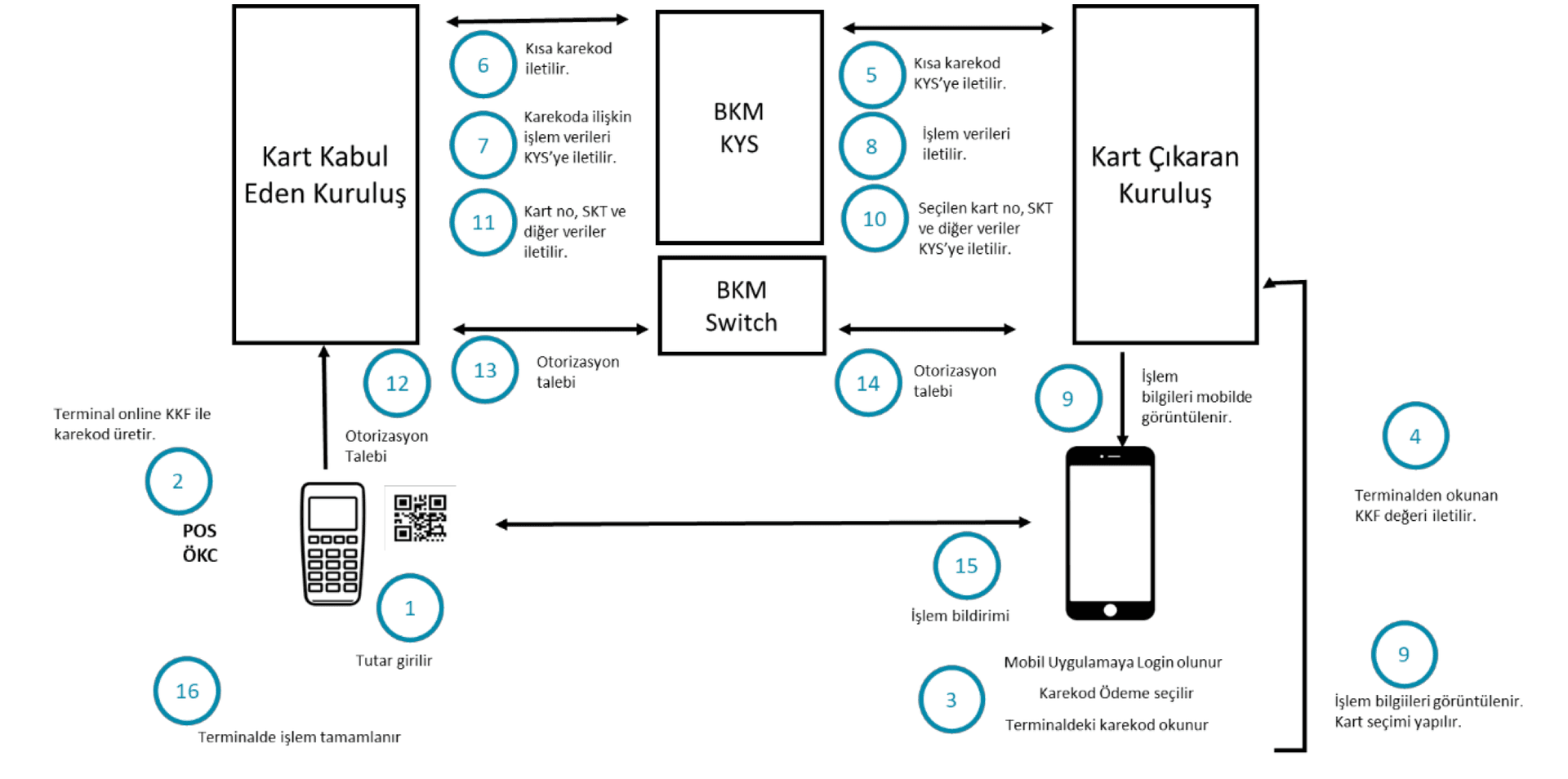
Diagram of the TR QR Code payment flow between cardholder, issuer, BKM and acquirer

Payment Systems

Why Am I Getting an Error When I Try to Pay with a TR QR Code?

In payment or cash withdrawal transactions, the TR QR Code is generated by the POS or ATM. The card issuing bank must build its systems to read and act on this code. Errors usually stem from mishandling the long and short QR code flows, which are explained here.

Table of CAVV result codes and what they mean for merchants

Merchant & POS

What is CAVV? What is AAV?

CAVV and AAV are verification codes used in 3D Secure transactions to ensure transaction integrity and security. CAVV is used by Visa, while AAV is used by Mastercard.

Illustration of an AI-based payment agent making payments automatically on behalf of a user

Payment Systems

What Are AI-Based Payment Agents?

Digitalization keeps changing the speed and shape of payments. AI-based payment agents pay on their own within user-defined limits and rules, completing transactions without the user initiating any action. This post explains how they work and what to watch for.

Cover of the EMVCo Software-based Mobile Payment Security Requirements document

Security

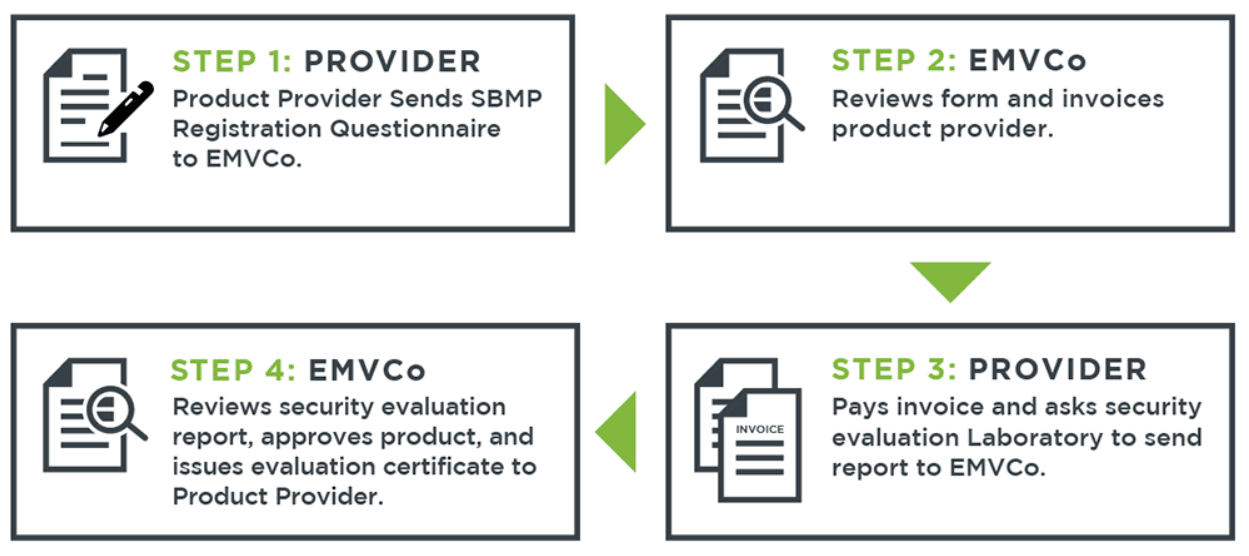
What is Software-based Mobile Payment Security Requirements?

“Software-based Mobile Payment Security Requirements” is a document published by EMVCo in April 2020 to guide payment application developers in building secure payment applications. This post summarizes its purpose and who it concerns.

Diagram illustrating the Card Personalization Validation (CPV) process

Credit Card

What is CPV (Card Personalization Validation)?

CPV stands for Card Personalization Validation. It is Mastercard's term for the set of recommendations and instructions defined for the card personalization process. The equivalent for Visa is called GPR (Global Personalization Requirements).