Skip to content

Search

"Card Data"

231 articles found

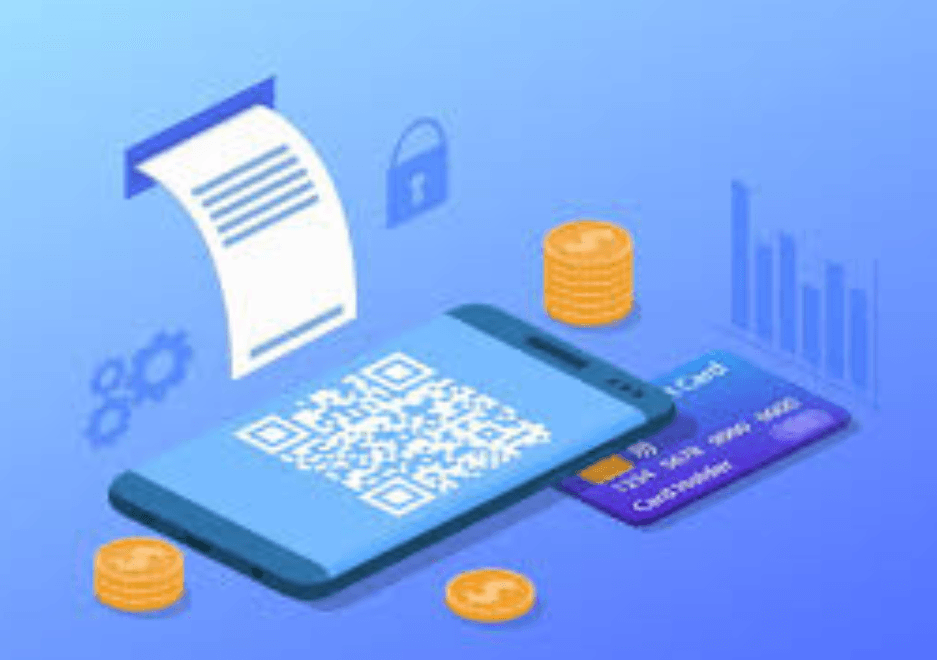
Diagram of a first credential-on-file transaction using stored card data

Security

What is the First Credential-On-File transaction?

The first transaction made after a customer's card data is stored with a merchant is called the First Credential-On-File transaction. BKM expects it to be flagged with the value "C" in switch message field DE48.PDS86, and BRSA draft rules govern how card data may be stored.

Infographic of BKM 2020 card payment statistics in Turkey

Payment Systems

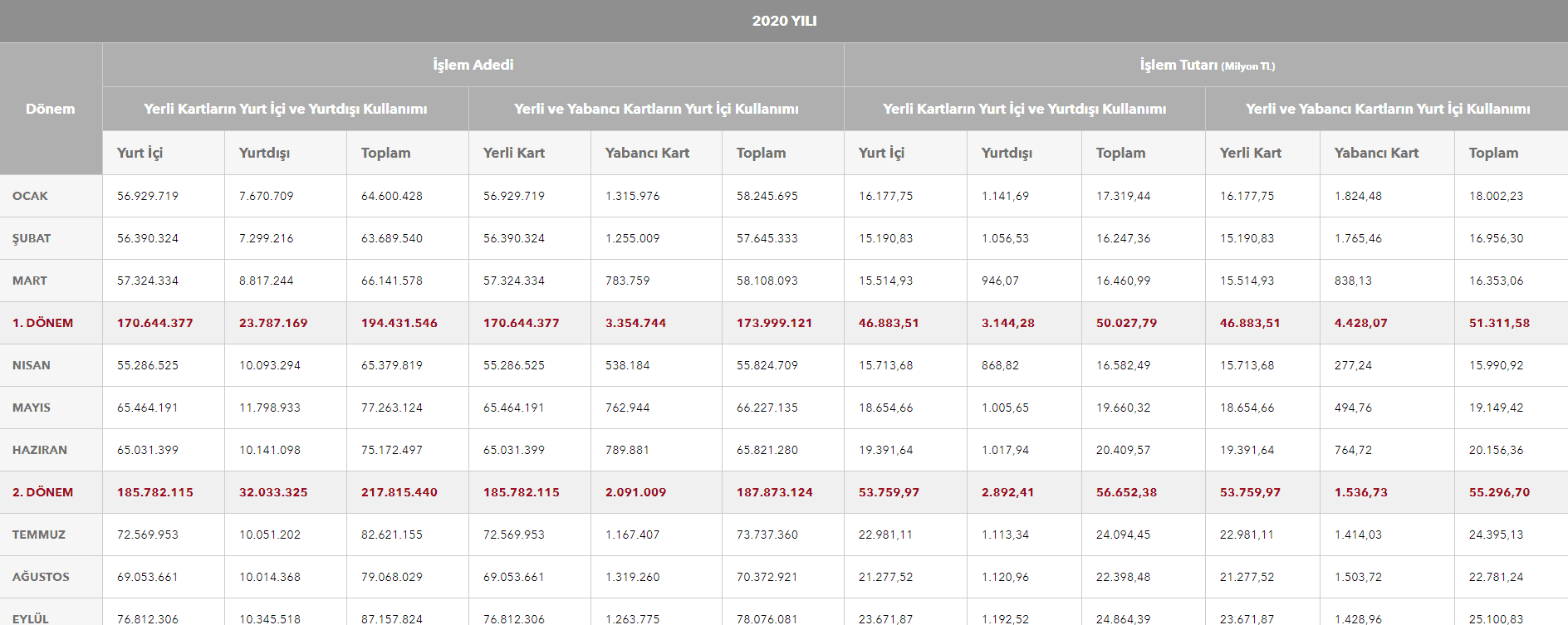
BKM Announces 2020 Card Payment Data

BKM shares card payment data periodically. In 2020, the pandemic reshaped payment habits in Turkey: contactless and online payments surged and the total card payment amount grew 17 percent to TRY 1.15 trillion, with about 264 million cards in circulation.

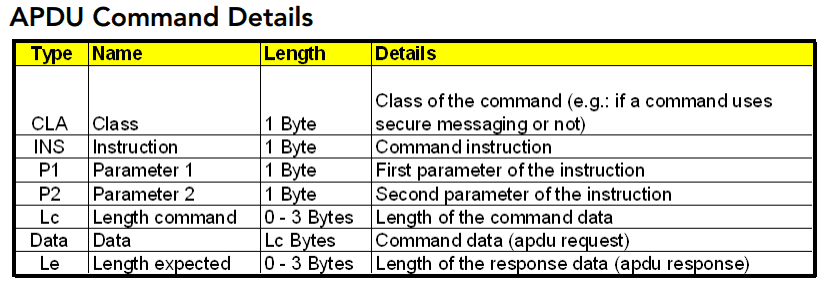
Diagram of the Command APDU structure fields: CLA, INS, P1, P2, Lc, Data Field, Le

Online & Authorization

What is an APDU (Application Protocol Data Unit) Command?

An APDU is an application-level protocol defined in ISO 7816-4 and used between a smart card and a POS, ATM, etc. There are two types of APDU: Command APDU and Response APDU. The structure of the APDU is given below.

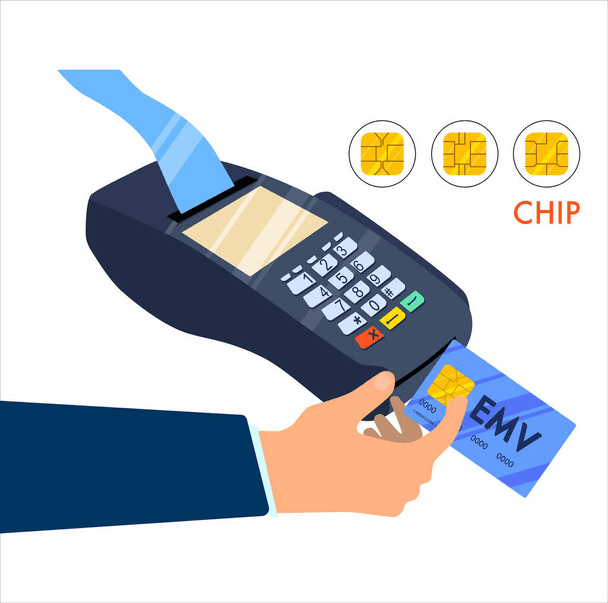
Diagram of the EMV application selection flow between the terminal and the card

Merchant & POS

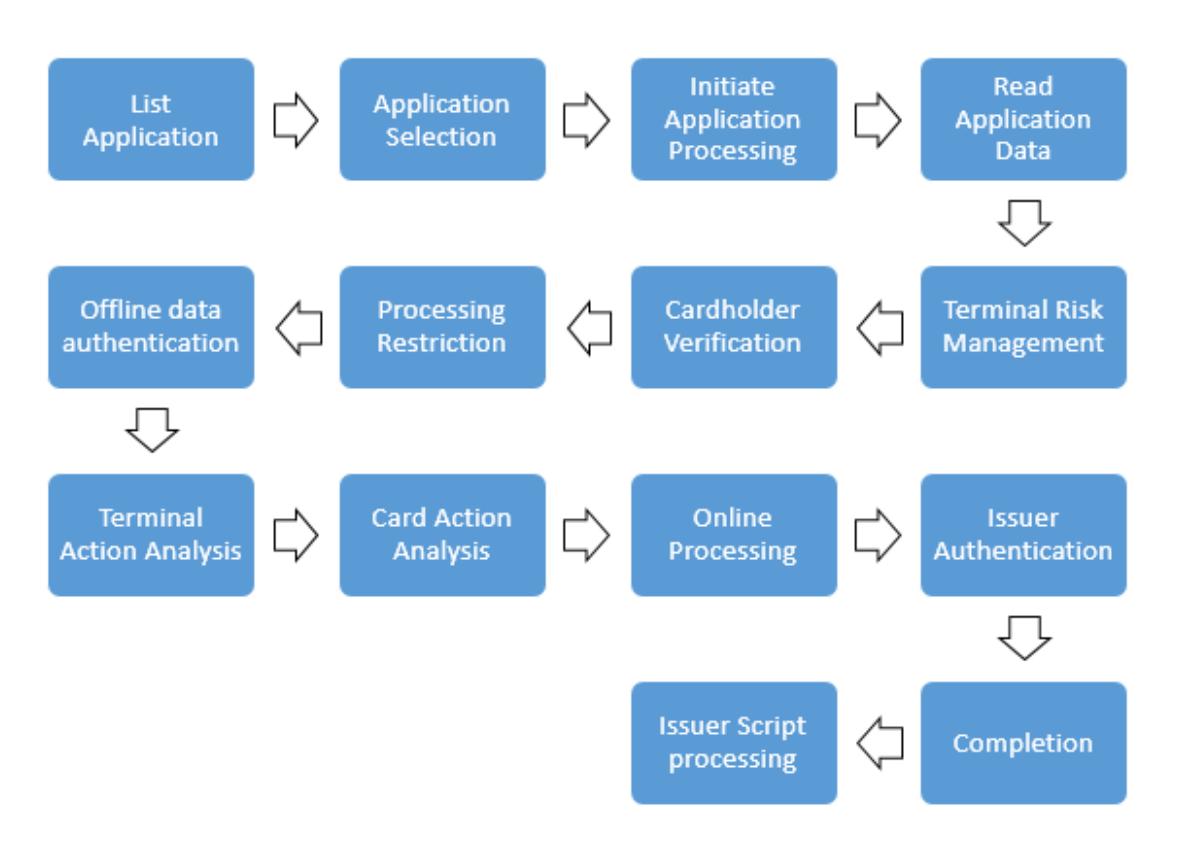
EMV Chip Transaction Processing - What Is Application Selection?

In EMV transactions, Application Selection is the process of choosing among the applications supported by both the card and the terminal. It is the first stage of authorization, so it is very important. This post covers the PSE and List of AIDs methods.

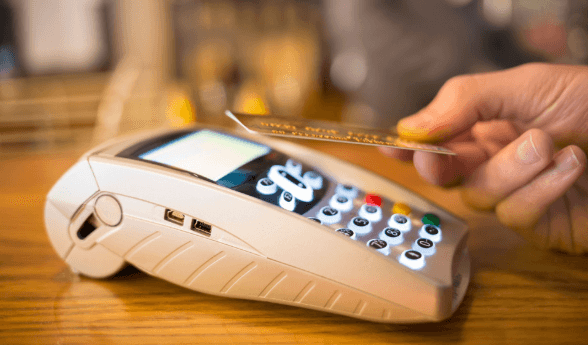
Illustration of a contactless payment card being tapped on a POS terminal

Contactless

What is Magnetic Stripe Data (MSD)?

As end users, we have come to love contactless payments, which are becoming a bigger part of daily life. So what features let contactless cards make payments without touching the POS terminal? There are two classes: MSD cards and Contactless EMV cards.

Diagram illustrating the EMV Tag-Length-Value (TLV) data structure used in card transactions

Online & Authorization

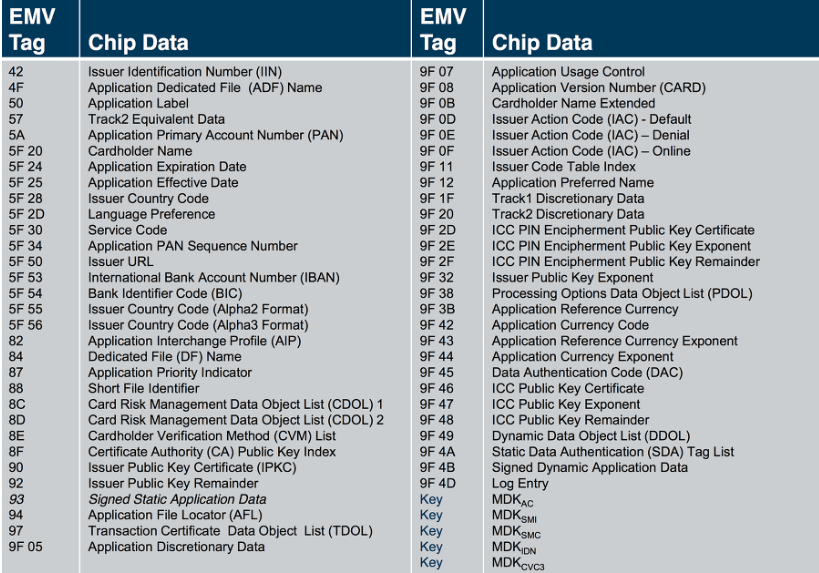
What are EMV Tags?

In EMV, data is stored in Tag-Length-Value (TLV) format, and it is carried between the card, the POS terminal, and the authorization system in this same format. This post lists every EMV Tag, its type, and its description.

Illustration representing credit and debit card fraud

Credit Card

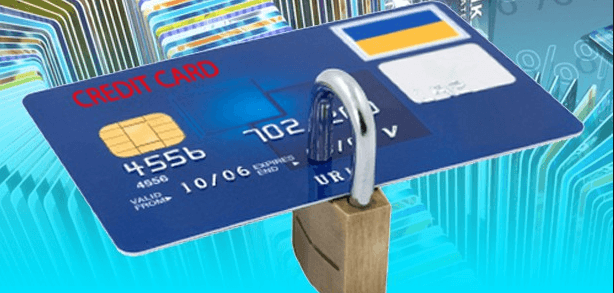
Credit Card/Debit Card Fraud

Credit card fraud is generally committed using the card itself, using card details without the card, via excess or duplicate withdrawals, or by seizing identity information. ATM card trapping is common, since ATMs hold the card during the transaction.

Diagram illustrating SDA, DDA, and CDA offline data authentication methods

Credit Card

What are SDA, DDA, and CDA?

SDA (Static Data Authentication), DDA (Dynamic Data Authentication), and CDA (Combined Dynamic Data Authentication) are offline data authentication methods used in chip cards. Learn how each one validates the card and the transaction.