Skip to content

Search

"Electronic Banking"

126 articles found

Illustration of remote identity verification and open banking in digital banking

Laws & Regulations

Remote Identity Verification, Reliance on Third Parties and Open Banking

Digitalization is changing how banks onboard customers. This post covers digital identity, verification methods, what the Turkish ID card offers, and Article 43 of the Regulation on Information Systems of Banks and Electronic Banking Services on remote identity verification and open banking.

Bank statements delivered through digital banking channels

Laws & Regulations

Statements Will No Longer Be Sent by Email. So What Happens Now?

Under the regulation on banks' information systems and electronic banking services, from 1 July banks may send statements, receipts and account summaries containing sensitive data only through electronic banking channels, not by email or SMS.

Diagram illustrating open banking, where customer financial data is shared with fintech companies through APIs

Payment Institutions & E-Money

What Is Open Banking?

Open banking means sharing customers' financial information with a third-party fintech company so that a range of banking and financial services can be offered to them. It works through API integrations. This post covers its status in Turkey and the new BRSA regulation.

Portrait photo of a digital banking presentation slide listing the standards for digital banks

Open Banking

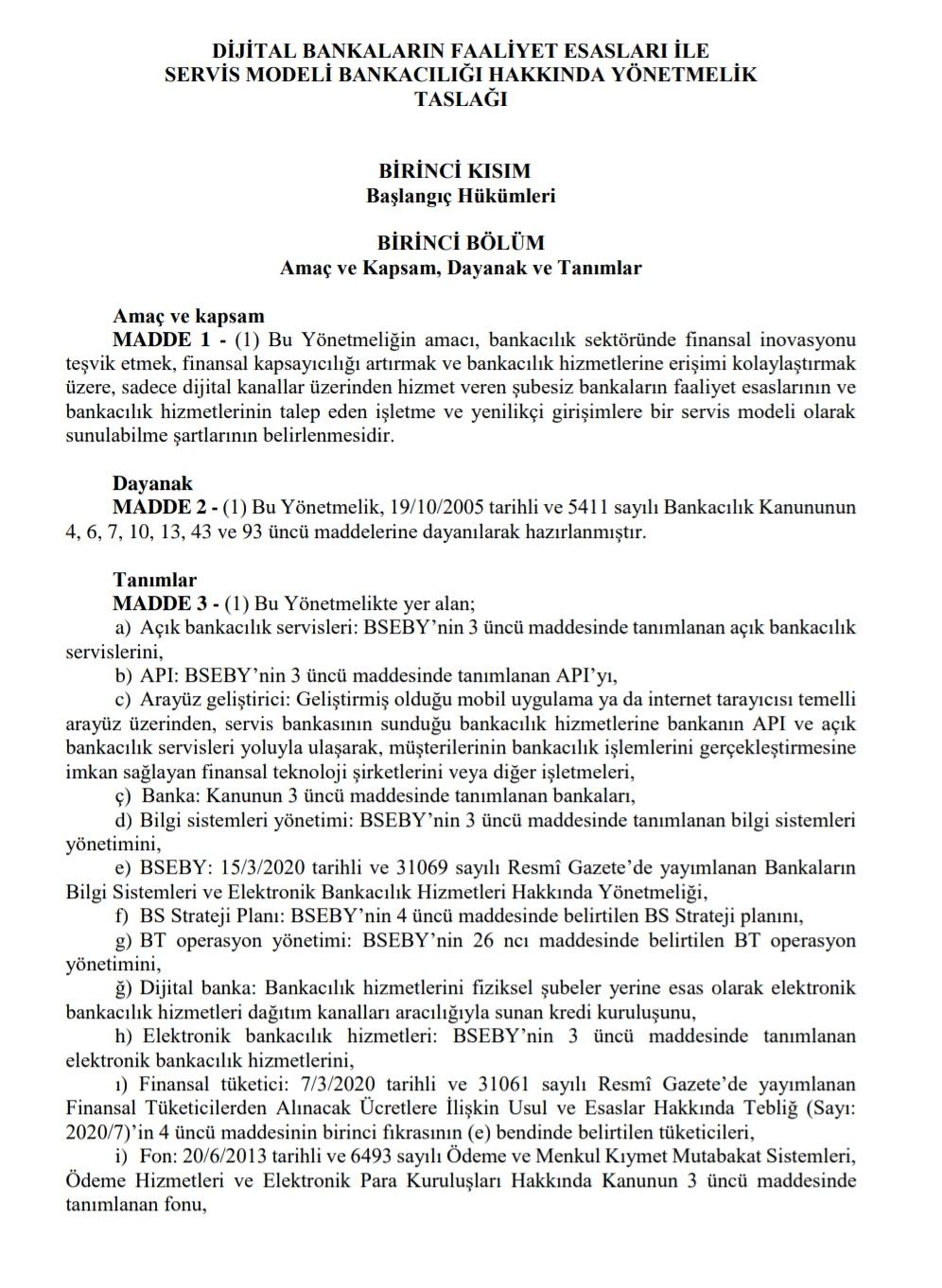
Digital Banking Standards are becoming clearer step by step

Digital banking is talked about more every day, and with the BRSA's support in defining its scope, it is about to enter our lives. A 'digital bank' is a credit institution that provides banking services mainly through electronic channels rather than physical branches.

Illustration representing the products and services KKB offers directly to its member institutions

Credit Card

What Products and Services Does KKB Offer Directly to Members?

KKB was established, under banking law, to enable the exchange of all kinds of information and documents among at least five banks, and it also shares credit information about customers. The Credit Bureau of Turkey also serves deposit banks, participation banks, financial institutions, and more.

Illustration representing open banking and banking as a service with digital banking and API connection icons

Open Banking

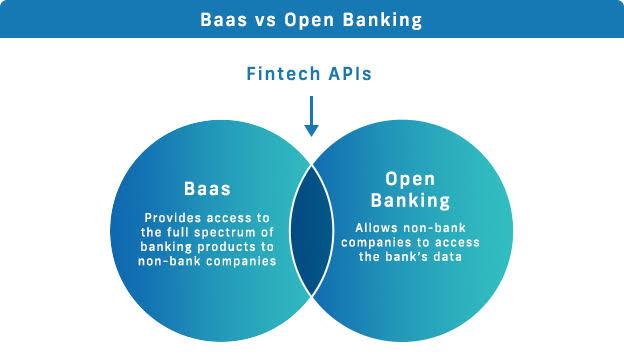
What are the differences between Banking as a Service and Open Banking?

First, it is useful to briefly recall the concepts of Banking as a Service and Open Banking. Banking as a Service (BaaS) lets interface developers connect directly to service banks' systems via APIs and open banking services to run banking transactions for customers...

Electronic money definition illustration

Payment Institutions & E-Money

What Is Electronic Money?

In general, electronic money is monetary value stored on a protected technological device. Turkish law defines it under Law No. 6493 as electronically stored value issued against funds and accepted by third parties as a means of payment.

Illustration of the transfer of payment regulation powers from the BRSA to the CBRT in Turkey's fintech ecosystem

Laws & Regulations

Some Powers of the BRSA Transferred to the CBRT

Turkey is rapidly implementing the items in the 11th Development Plan for a fintech ecosystem with equal opportunity. Under the approved law amendment, some BRSA powers over payment services and e-money companies were transferred to the CBRT, making it the single authority in payments.