Skip to content

Search

"Interchange"

19 articles found

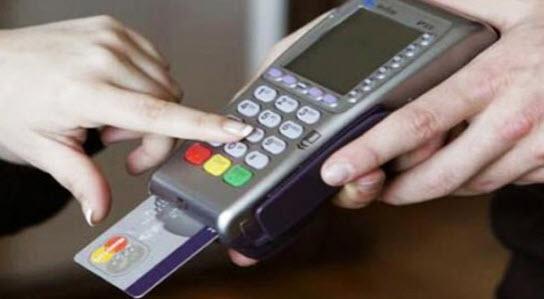
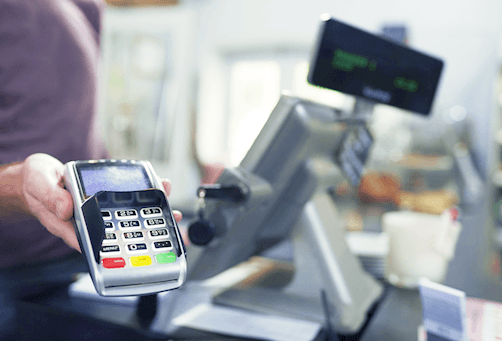
POS terminal processing an EMV chip card transaction

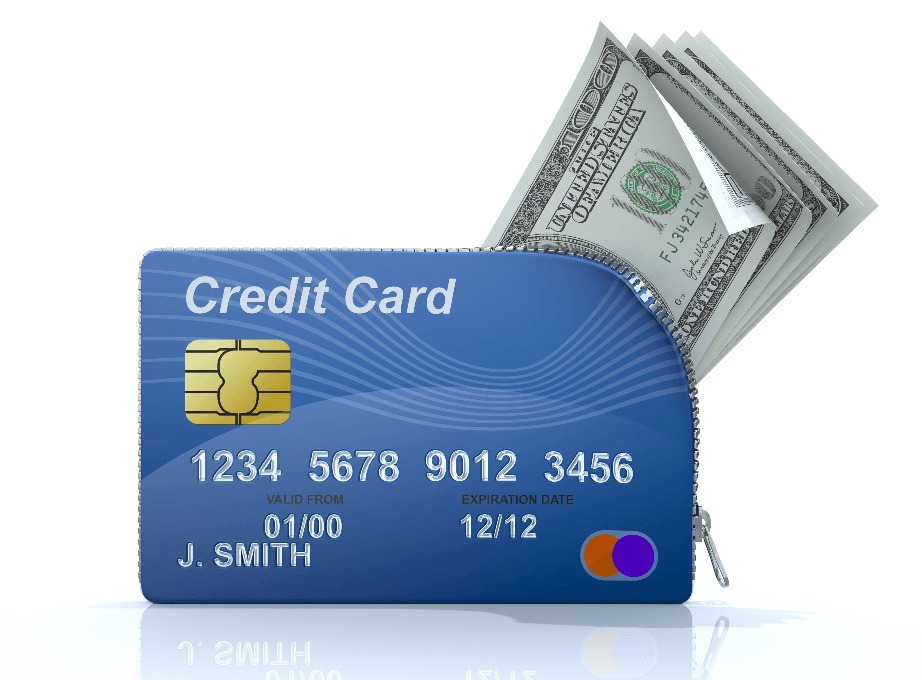
Credit Card

Application Interchange Profile (AIP)

The Application Interchange Profile indicates the application functions supported by the card. The AIP values and their descriptions are given below. Where is the AIP found? The AIP is a 2-byte piece of data stored on the card, carried under EMV tag 82.

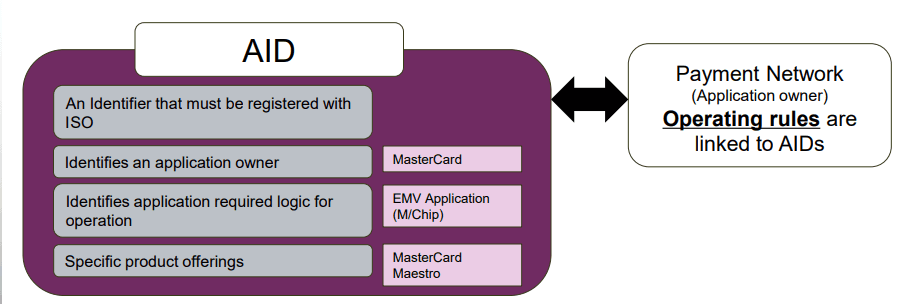
Illustration showing how an Application Identifier (AID) is used in a chip card transaction

EMV

What is an Application Identifier (AID)?

The AID tells the terminal which applications are present on a chip during a POS or ATM transaction. What does the AID do? It lets the terminal determine whether it supports an application on the chip. In Tag 9F06, it is 5-16 digits long.

Diagram illustrating the EMV Tag-Length-Value (TLV) data structure used in card transactions

Online & Authorization

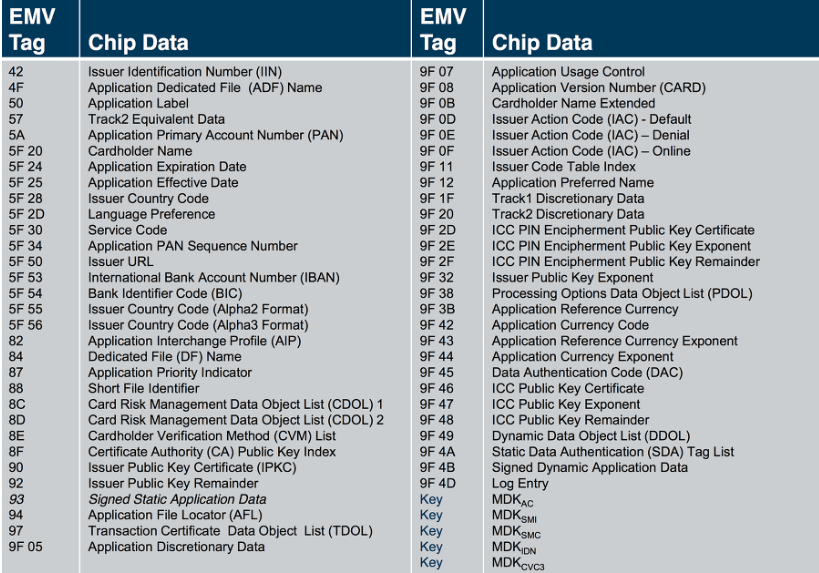
What are EMV Tags?

In EMV, data is stored in Tag-Length-Value (TLV) format, and it is carried between the card, the POS terminal, and the authorization system in this same format. This post lists every EMV Tag, its type, and its description.

Diagram illustrating account-to-account (A2A) payment flow between banks

Online & Authorization

What are A2A (Account-to-Account) Payments?

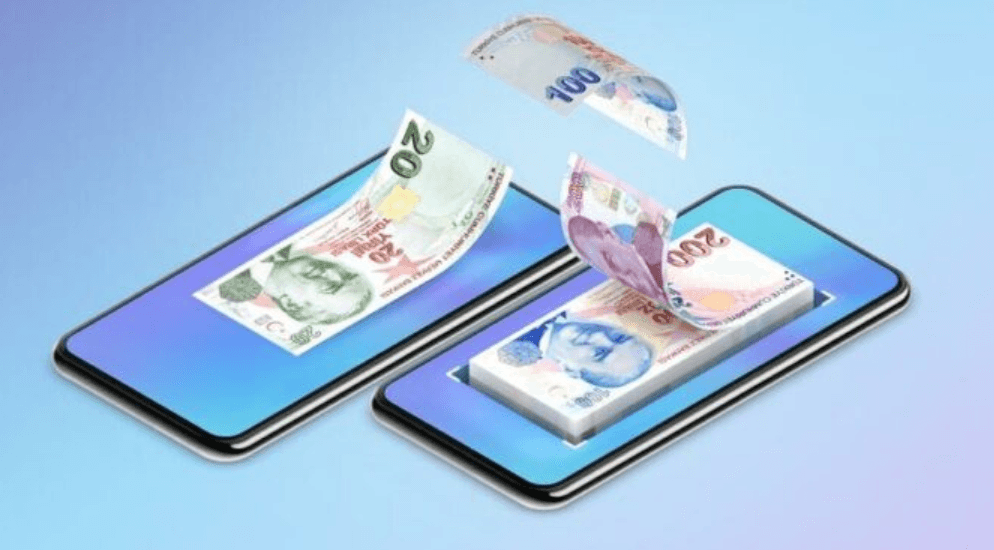
Account-to-account (A2A) payments can be described as making a payment by transferring money from one bank account to another. Though similar to wire transfer/EFT, combining the transfer with the payment creates a seamless experience.

Illustration of a smart card chip related to the ISO/IEC 7816 standard

Credit Card

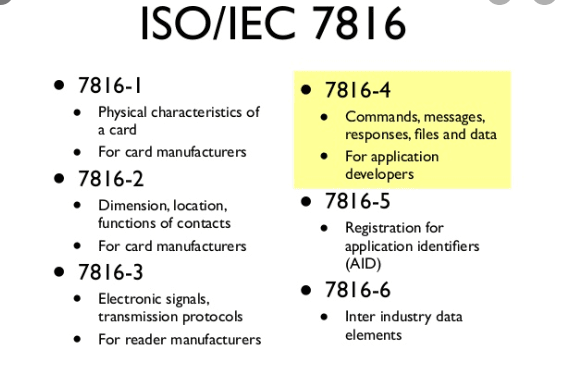
What is ISO/IEC 7816?

ISO/IEC 7816 is an international standard jointly maintained by ISO and IEC, covering contact-based electronic identification cards, especially smart cards. It consists of 15 different parts, each covering a different aspect of smart card technology.

Table of Reimbursement Attribute values used in the clearing process

Clearing

What is Reimbursement Attribute?

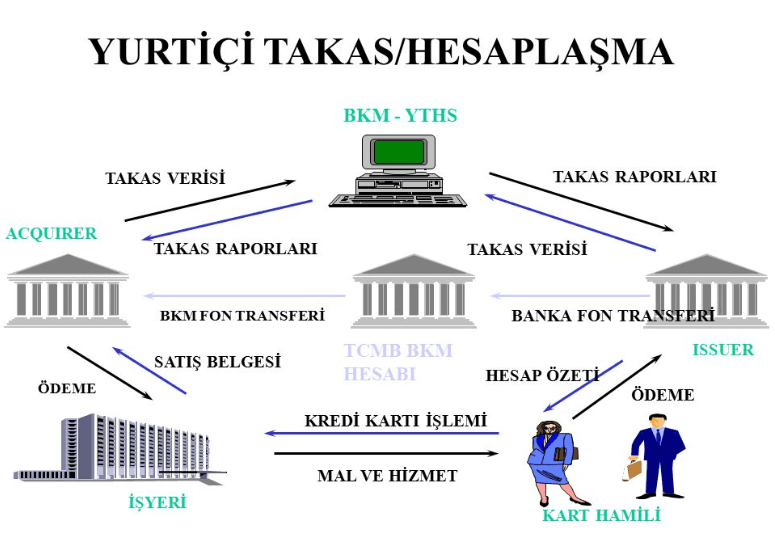
DE03/Reimbursement Attribute carries the Reimbursement Value of a transaction. BKM uses this information as the basis for calculating interchange fees and charges between member banks.

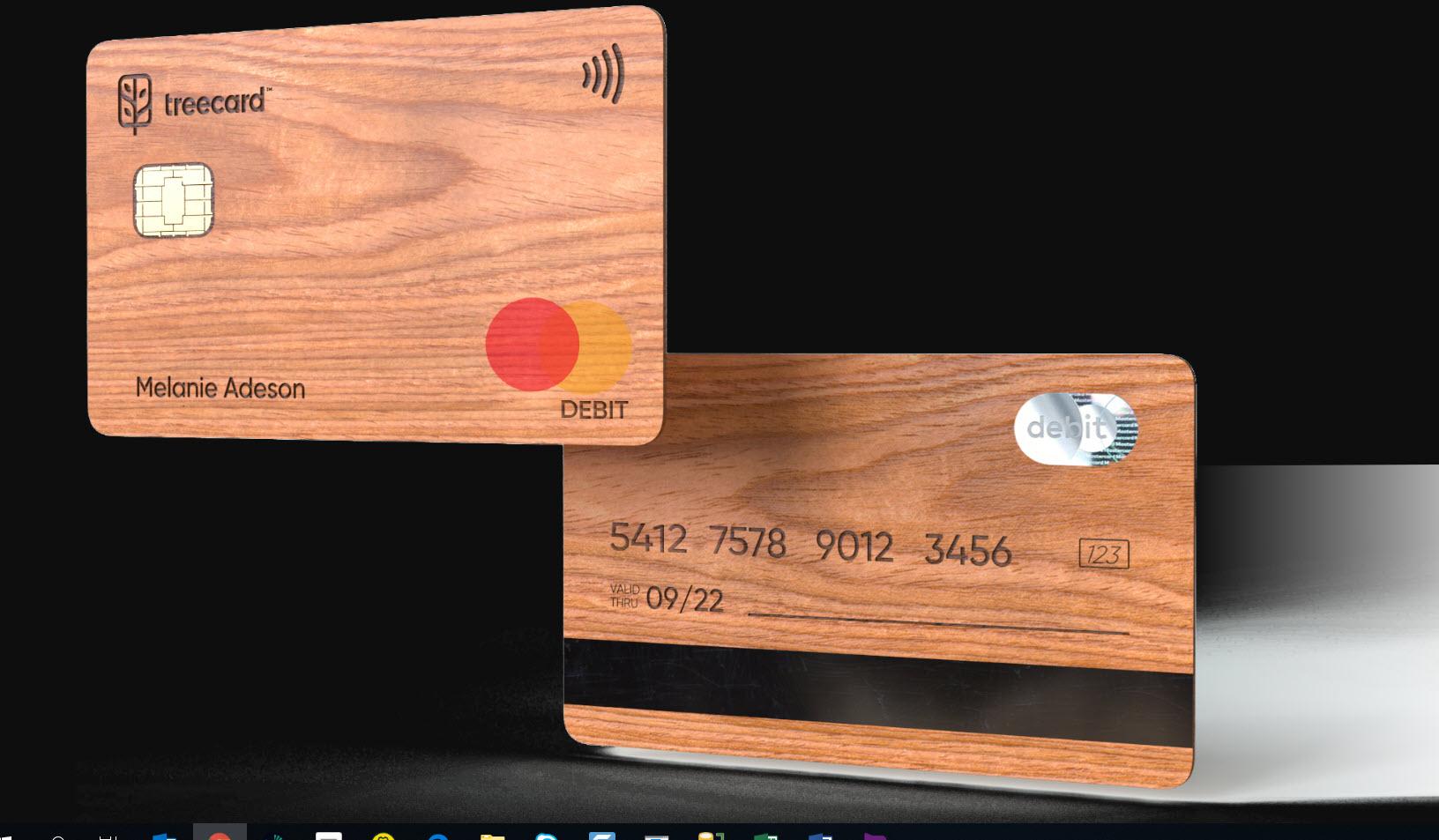
TreeCard wooden bank card made from sustainably sourced cherry wood

Credit Card

Can a card be made from wood?

While the use of physical cards and POS terminals is gradually declining, positive developments continue, such as the world's first wooden card, TreeCard, backed by the search engine Ecosia and aimed at reforesting the world.

Diagram illustrating TCR (Transaction Record Component) packets used in payment clearing and settlement files

Payment Systems

What Is TCR (Transaction Record Component)?

TCR stands for Transaction Record Component, the packets that carry transaction information in a clearing system. Transaction types in a clearing file are distinguished by transaction code and usage code values, and this data is sent inside TCR packets.