HSM & Security
What is PEK (Pin Encryption Key)?
PEK is the abbreviation for Pin Encryption Key. The role of PEK is to encrypt PINs. There are two types of PEK: TPK (Terminal Pin Key) and ZWK (Zone Working Key).
Search
31 articles found
HSM & Security
PEK is the abbreviation for Pin Encryption Key. The role of PEK is to encrypt PINs. There are two types of PEK: TPK (Terminal Pin Key) and ZWK (Zone Working Key).
Merchant & POS
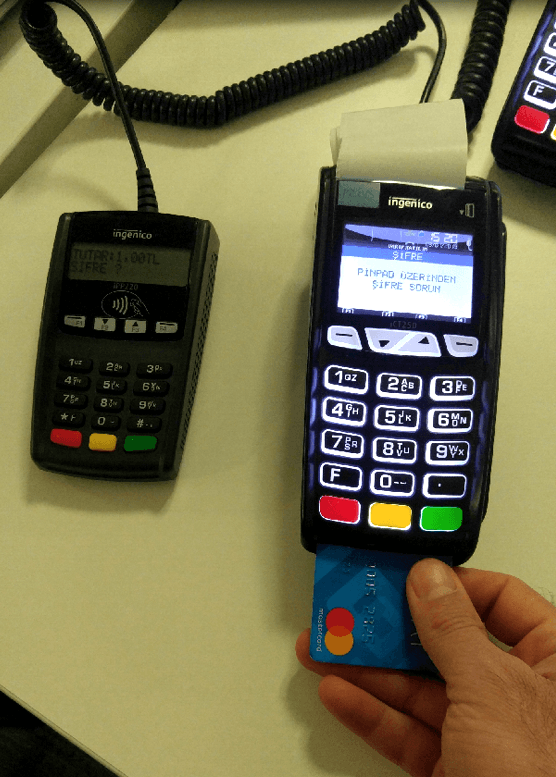
A PIN pad lets cardholders safely enter their PIN during POS transactions and lets contactless cards be tapped to transfer card data to the POS. Here is how it works.

Online & Authorization
F53 - PIN Encryption Control Information. When online PIN data is present, sending the F53 value is mandatory, except when DUKPT information is carried in Field 63, Tag 01. F53 consists of the following components.
HSM & Security
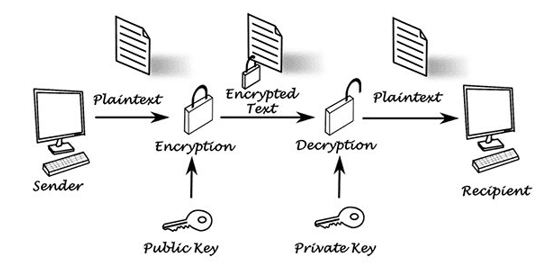
In the world of payment systems, keys and their uses are important for transferring information from one place to another, storing information, and securing authorization and scripting steps. Key types are divided into six categories based on their purpose.
ISO 8583
DE 52 — Personal Identification Number (PIN) Data: the field that holds the PIN data. PIN verification is carried out based on this field.
HSM & Security
ZPK, also known as the PIN Protection Key, is a data encryption key that is distributed automatically and used to encrypt PINs. It is also referred to as the 'Working Key'. This key allows PIN information to be carried securely across the network.
HSM & Security
TPK stands for Terminal PIN Key. It is a data encryption key used to encrypt PINs for transmission between a terminal and the terminal's bank (acquirer) within a local network. Learn how TPK is used in POS and ATM devices.
ATM
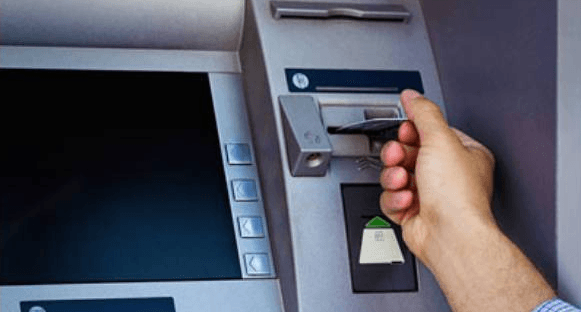
At payment points such as ATMs and POS terminals, the most critical step is PIN verification or verifying the customer through their identity information. However, since ATMs cannot verify a customer's identity, PIN verification becomes more important. So how is it performed?
ATM
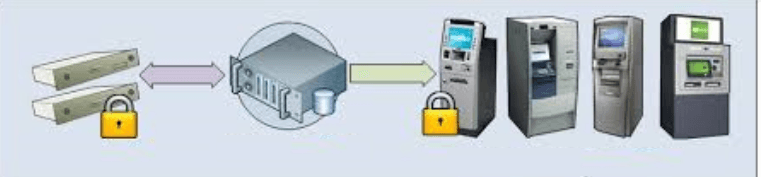
RKL is the process of distributing a TMK (Terminal Master Key) to each terminal from a central point. It is used to remotely load keys onto POS and ATM devices, loading TMKs onto an ATM's keypad or activating them on a POS.
Merchant & POS
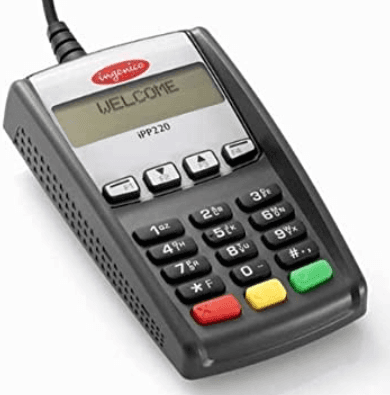
Pin Entry Device is another name for the PIN pad device we all know and use daily. It makes it easier for users to enter their card PIN during POS transactions with credit or debit cards, and is used for contactless card reading...

EMV
The Pin Change/Unblock command is used after card issuance to let the issuer remove a card's PIN block, or instantly change the reference PIN and remove its block, as well.
HSM & Security
ZWK stands for Zone Working Key. It encrypts the PIN so that it can travel securely between different financial institutions, such as the acquiring bank and the issuing bank.