Merchant & POS
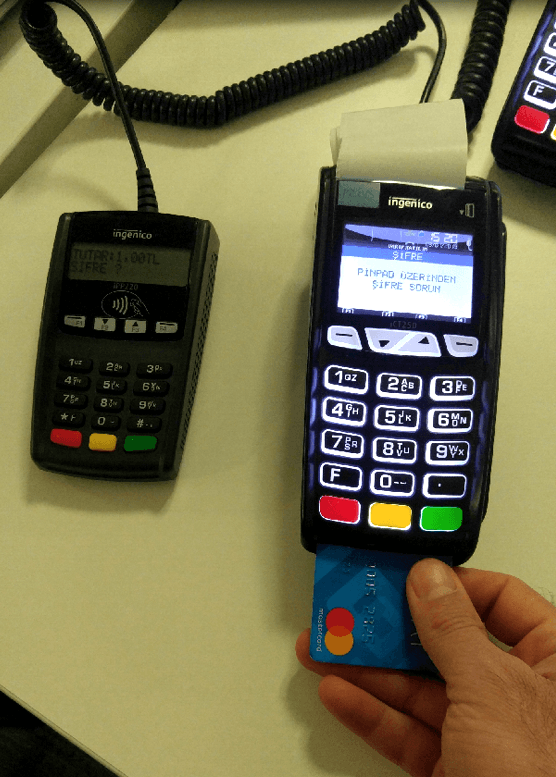
What Is a PIN Pad Device?
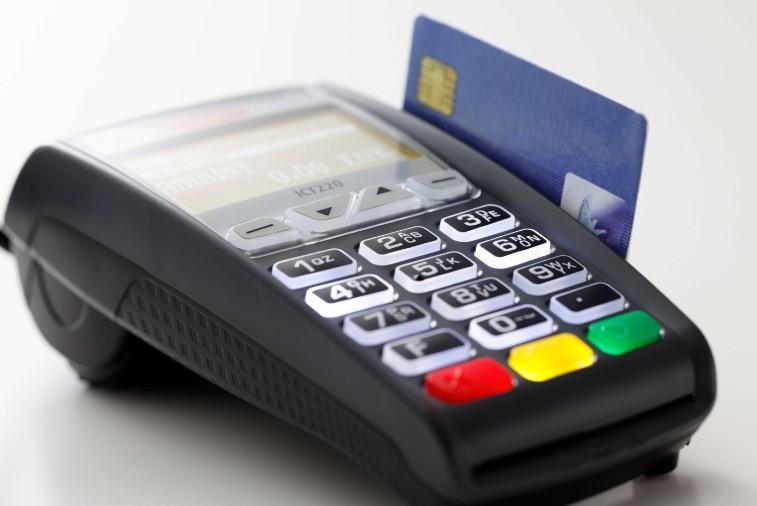
A PIN pad lets cardholders safely enter their PIN during POS transactions and lets contactless cards be tapped to transfer card data to the POS. Here is how it works.
Search
90 articles found
Merchant & POS
A PIN pad lets cardholders safely enter their PIN during POS transactions and lets contactless cards be tapped to transfer card data to the POS. Here is how it works.
Payment Systems
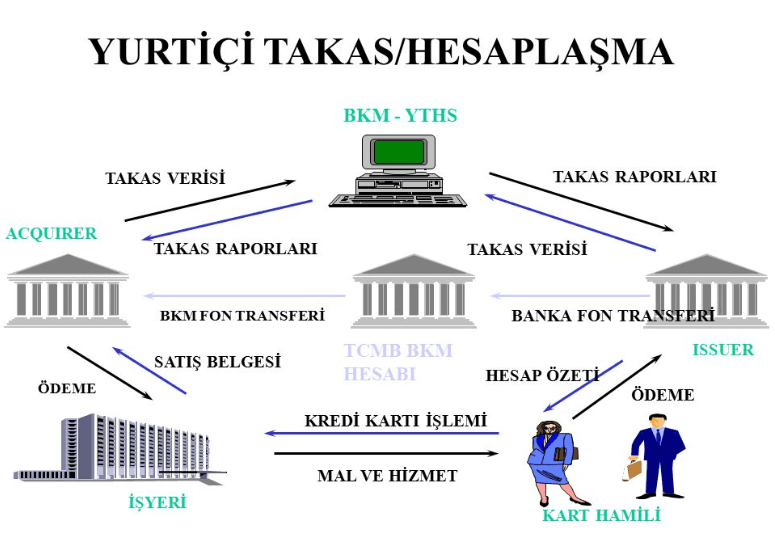
TCR stands for Transaction Record Component, the packets that carry transaction information in a clearing system. Transaction types in a clearing file are distinguished by transaction code and usage code values, and this data is sent inside TCR packets.
Merchant & POS
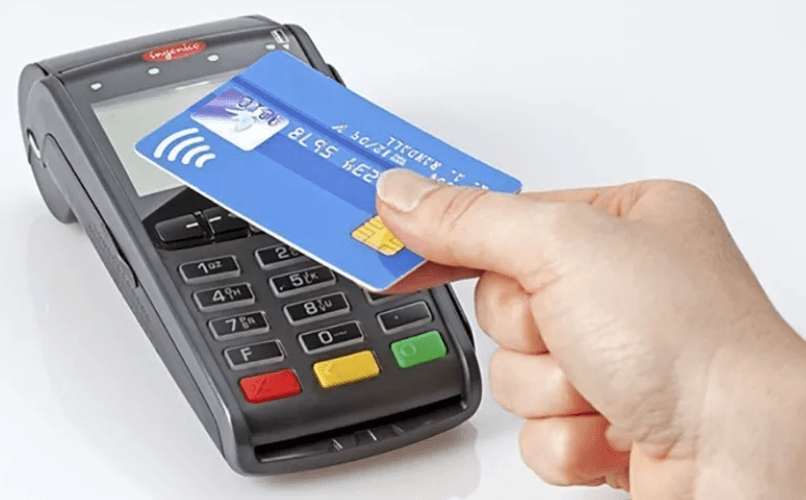
No. Besides the terminal data, contactless limits can also be managed from the chip data. A “Use Merchant Contactless Limits” field decides which set of limits the POS applies.

ISO 8583
F61 - POINT OF SERVICE (POS) DATA: This field provides information about the specific status of the POS at the time of the transaction. Position Usage Attribute 1 POS Terminal Attendance Indicator 0 = Attended terminal (Valid for MasterCard debit card and Maestro transactions only).
Merchant & POS
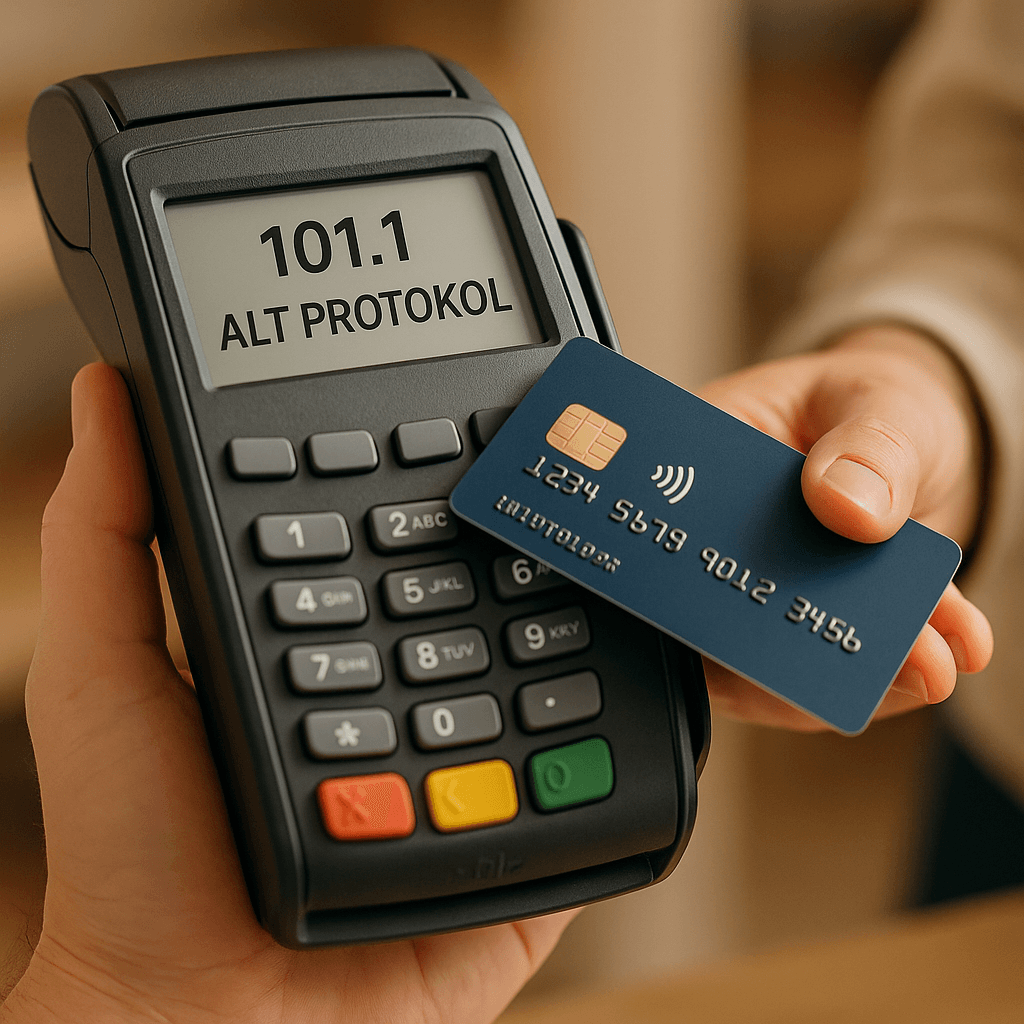
In payment systems, every exchange between POS devices and bank or payment institution systems runs on a specific messaging standard, generally based on ISO 8583. However, each country, bank, or switch network defines its own version of this standard.

Chargeback
Chargeback reason codes vary by card scheme. The Amex chargeback reason codes and their descriptions are listed below: American Express Chargeback Reason Codes A01 The charge you submitted did not receive a valid authorization approval code for the amount...
Credit Card
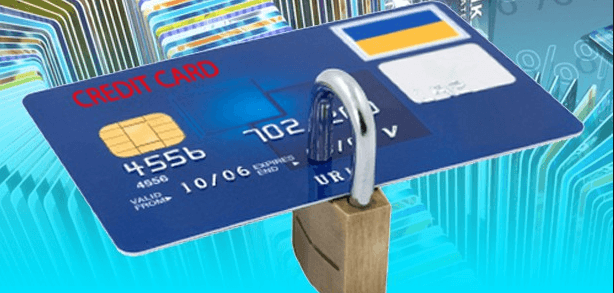
SDA (Static Data Authentication), DDA (Dynamic Data Authentication), and CDA (Combined Dynamic Data Authentication) are offline data authentication methods used in chip cards. Learn how each one validates the card and the transaction.

Merchant & POS
All banks report the POS and merchant data they allocate to customers to BKM's MIV and MPV systems, which BKM then reports. These notifications include merchant and POS location details such as address, province, and district.
Merchant & POS
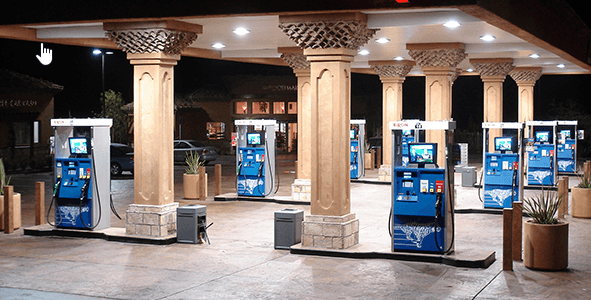
CAT (Cardholder Activated Terminal) devices are typically unattended terminals that accept various payment cards. These terminals are frequently installed at railway ticket stations, gas stations, toll roads, parking lots, and other commercial locations.
Debit Card
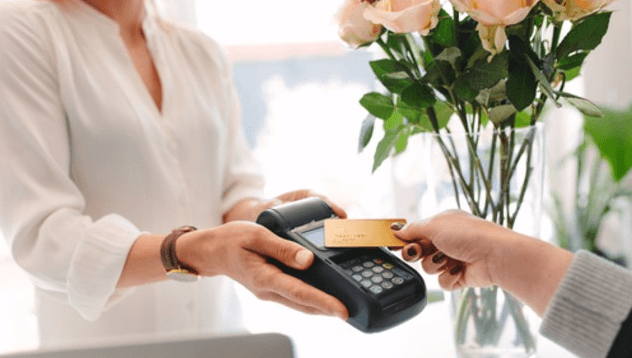
A contactless transaction is a fast, secure payment made between a chip card and a POS device without direct contact, without the card's chip or magnetic data being read through the card reader. Can this be done with a debit card (ATM card)?
Merchant & POS
Introduction: When a card (credit card/debit card/prepaid card) is used at an ATM or POS, data must be carried securely between systems. For example, in a store sale, the POS initiates the transaction, which must reach the cardholder's bank intact.
Merchant & POS
MPV stands for Merkezi POS Veritabanı (Central POS Database), BKM's shared database of all POS terminals operated by its card-accepting members, used for support, statistics, fraud analysis and the Common POS Management System.