Skip to content

Search

"Right of withdrawal"

16 articles found

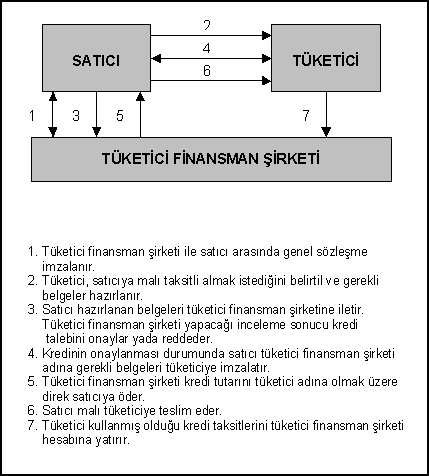
Diagram illustrating how financing companies operate in Turkey

Payment System Institutions

What Are the Financing Companies Operating in Turkey?

These are credit institutions providing financing to individuals and companies for purchasing goods and services. Financing companies specialize mainly in vehicle loans, offering fast and flexible point-of-sale solutions distinct from banks.


Screenshot of an online shopping page illustrating consumer rights in e-commerce

Security

What Are Your Rights in E-Commerce Transactions?

E-commerce has grown significantly in recent years, and so have negative experiences and concerns about trust. This post summarizes the basic consumer rights under Law No. 4077: the right of withdrawal, cargo delivery rights, defective products and the Consumer Arbitration Committee.

Online shopping order and product return concept with a laptop and parcel

E-commerce

When Is a Return or Refund Valid in E-Commerce Transactions?

Can a product bought online be returned, and under what conditions? This post explains the 14-day right of withdrawal in Turkey and the cases in which Law No. 6502 on Consumer Protection removes the right of return.

General Data Protection Regulation (GDPR) concept illustration with padlock and EU stars

Payment Systems

What Is the General Data Protection Regulation (GDPR)?

The General Data Protection Regulation (GDPR), (EU) 2016/679, is EU law on data protection and privacy. It gives individuals control over their personal data, requires breach notification within 72 hours, and allows fines of up to 20 million euros or 4% of annual revenue.

Consumer Protection Law No. 6502 illustration

Laws & Regulations

What Is Consumer Protection Law No. 6502?

Law No. 6502 on Consumer Protection aims to protect consumers' health, safety and economic interests, compensate their losses and inform them. It covers all consumer transactions and practices aimed at consumers.

Diagram of an e-money institution and the services it can provide under Law No. 6493

Payment Institutions & E-Money

What Is an E-Money Institution? Which Services Can It Provide Under Law No. 6493?

The Law defines e-money as monetary value issued in exchange for funds accepted by the issuer, stored electronically, used for payment transactions and accepted as a payment instrument by persons other than the issuer. This post explains e-money institutions and the services they may provide.

Illustration representing the advantages and disadvantages of credit cards

Credit Card

What Are the Advantages and Disadvantages of a Credit Card?

Credit cards can be a convenient way to manage income and expenses, but for those who don't know how to use them, they can become an expensive and risky product. Here are the key pros and cons to weigh before applying for one.

Illustration representing real-time and near real-time fraud monitoring in payment systems

Fraud

What is Online (Real Time) and Near Online (Near Real Time) Fraud?

Fraud monitoring refers to tracking card transactions through scenarios to detect potential fraud and taking rapid action immediately before or after a transaction occurs - such as identifying a suspicious transaction, calling the customer, or temporarily blocking the card to prevent authorization.

Illustration representing the products and services KKB offers directly to its member institutions

Credit Card

What Products and Services Does KKB Offer Directly to Members?

KKB was established, under banking law, to enable the exchange of all kinds of information and documents among at least five banks, and it also shares credit information about customers. The Credit Bureau of Turkey also serves deposit banks, participation banks, financial institutions, and more.

Illustration representing the chargeback and dispute process in card payments

Chargeback

What Are the Domestic Exceptions to Chargeback Rules?

A chargeback is the refund of an amount paid by credit card to the cardholder's card when the purchased goods or services were not received, or when a transaction was not actually carried out by the cardholder.