Skip to content

Search

"Second Presentment"

22 articles found

Table of Documentation Indicator codes used in second presentment and reversal presentment clearing messages

Clearing

What Is the Documentation Indicator?

The Documentation Indicator is a code carried in the F60 (Additional Data) DE05 field of clearing transactions. Used in second presentment and reversal presentment transactions, it shows whether the supporting document has been sent. This post lists the values and their meanings.
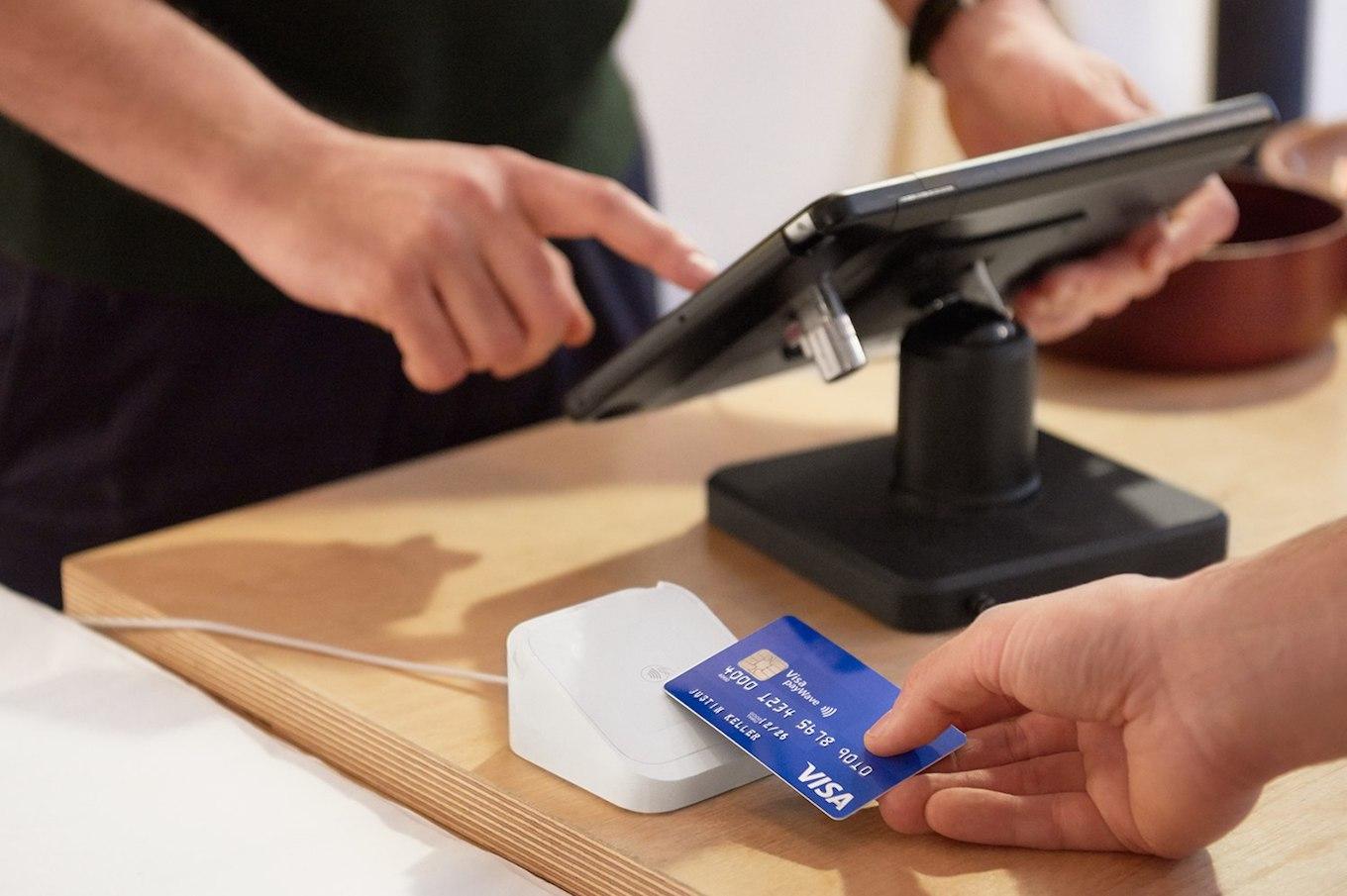
Customer making a contactless payment by tapping a card on a POS terminal

Contactless

What Is a Contactless Transaction?

A contactless transaction is a fast and secure payment made between a credit card and a POS terminal without direct contact, without reading the card's chip or magnetic stripe. Both the card and POS terminal must support contactless transactions.

Open banking illustration representing payment services data sharing APIs between financial institutions and third-party providers

Payment Systems

Guide on Data Sharing Services in Payment Services Published

Open banking opens financial data, under the regulations and with the customer's explicit consent, to third-party service providers through standard APIs. The CBRT has published a guide on payment initiation and account information services, covering licensing and technical certification.

Illustration representing the products and services KKB offers directly to its member institutions

Credit Card

What Products and Services Does KKB Offer Directly to Members?

KKB was established, under banking law, to enable the exchange of all kinds of information and documents among at least five banks, and it also shares credit information about customers. The Credit Bureau of Turkey also serves deposit banks, participation banks, financial institutions, and more.

Diagram showing the structure of an ISO 8583 message

ISO 8583

What Fields Make Up ISO 8583?

We covered the ISO 8583 basics in an earlier article. This post explains the ISO 8583 message structure in detail: every ISO 8583 message consists of three main parts - the MTI (Message Type Indicator), the Bitmap, and the Data Elements.

Illustration representing credit card fraud and online payment security risks

Fraud

What is Fraud? What are the Types of Fraud?

With the growth of credit and debit card usage and rising e-commerce transaction volumes, there has been a serious increase in exploiting user negligence to harm customers. Fraud means using someone else's card at a merchant or ATM to gain unjust profit.

Flowchart showing the chargeback dispute process between cardholder, issuer, and merchant

Chargeback

What is a chargeback?

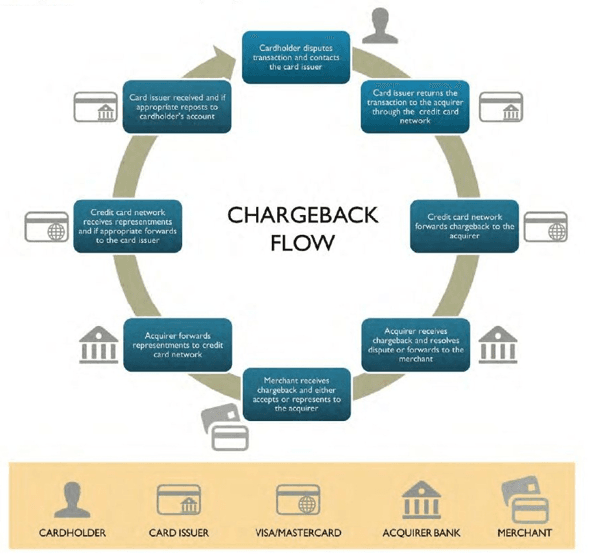
A chargeback is the process of refunding an amount back to a credit card when goods or services paid for are not received, or when transactions not carried out by the cardholder are identified. It is translated into Turkish as reverse presentment.

Conceptual illustration of competing players vying for power in agentic commerce

General

Agentic Commerce Series – Part 6

Who will win in Agentic Commerce? Owning the customer used to be a huge advantage. Once an agent starts deciding on the customer's behalf, where does the real power move to?

Diagram of an e-money institution and the services it can provide under Law No. 6493

Payment Institutions & E-Money

What Is an E-Money Institution? Which Services Can It Provide Under Law No. 6493?

The Law defines e-money as monetary value issued in exchange for funds accepted by the issuer, stored electronically, used for payment transactions and accepted as a payment instrument by persons other than the issuer. This post explains e-money institutions and the services they may provide.

Screenshot of an Address Verification Service (AVS) response code table

Merchant & POS

What is Address Verification Service (AVS)?

Address Verification Service (AVS) is a fraud prevention system that helps limit fraud and chargebacks when used effectively. It verifies that the address a customer enters matches the cardholder's address on file with the issuer.