Skip to content

Search

"Track 1"

41 articles found

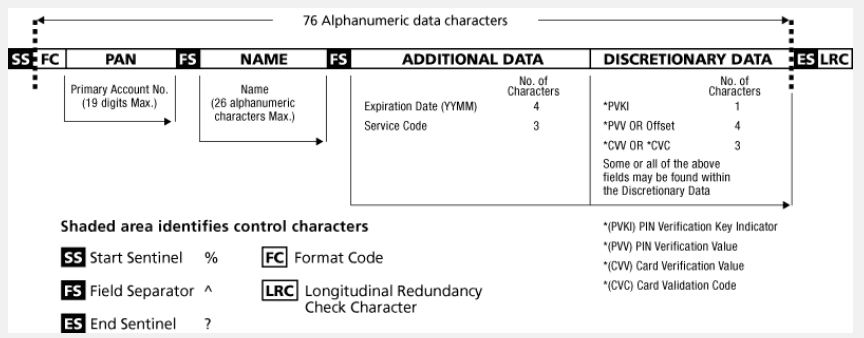
Diagram illustrating the Track 1 data structure and field layout on a magnetic stripe card

Credit Card

What is Track 1?

Track 1 is a special data set encoded on a card's magnetic stripe that contains the card information required for authorization when the card is used physically. It includes the cardholder name, card number, and expiration date.

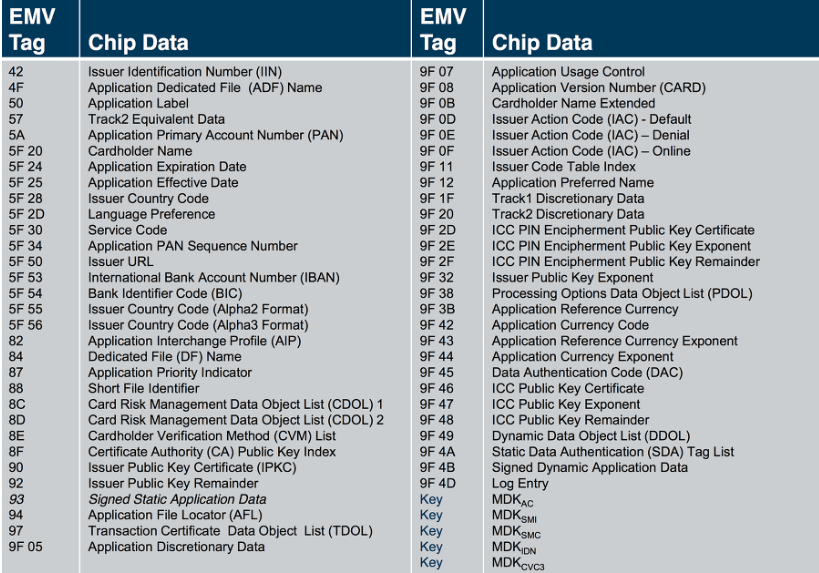
Diagram of the ISO 8583 field F45 Track 1 data structure

ISO 8583

ISO 8583 Field Descriptions (F45)

F45 (TRACK-1 DAT) carries the Track 1 data of the card in ISO 7813 format, including field separators and start and end sentinels but excluding the LRC character. It is 76 characters long.

Diagram illustrating the EMV Tag-Length-Value (TLV) data structure used in card transactions

Online & Authorization

What are EMV Tags?

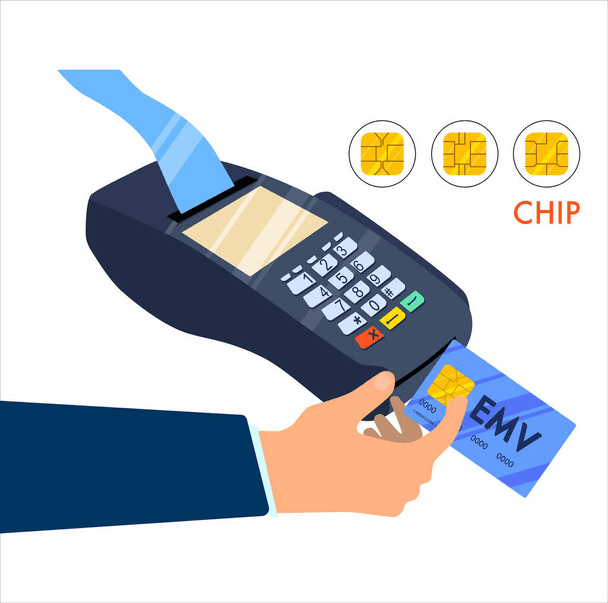
In EMV, data is stored in Tag-Length-Value (TLV) format, and it is carried between the card, the POS terminal, and the authorization system in this same format. This post lists every EMV Tag, its type, and its description.

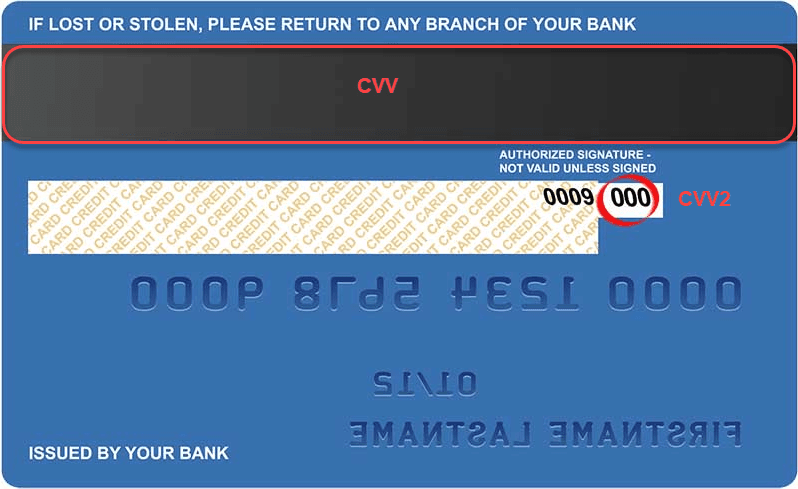
Comparison chart showing the differences between CVV and CVV2 security codes

Credit Card

What Is the Difference Between CVV and CVV2?

CVV (CVC) and CVV2 (CVC2) are two terms that cardholders often confuse. Both are used for verification in card transactions, but there are notable differences between them, such as where each is printed and which transactions use it.

ISO/IEC 7811 identification card recording techniques

Credit Card

What Is ISO/IEC 7811?

ISO/IEC 7811 specifies the requirements for embossed characters on identification cards and is a set of nine standards describing recording techniques on identification cards.

Illustration of a credit card showing standard ISO/IEC 7810 and 7811 design features

Credit Card

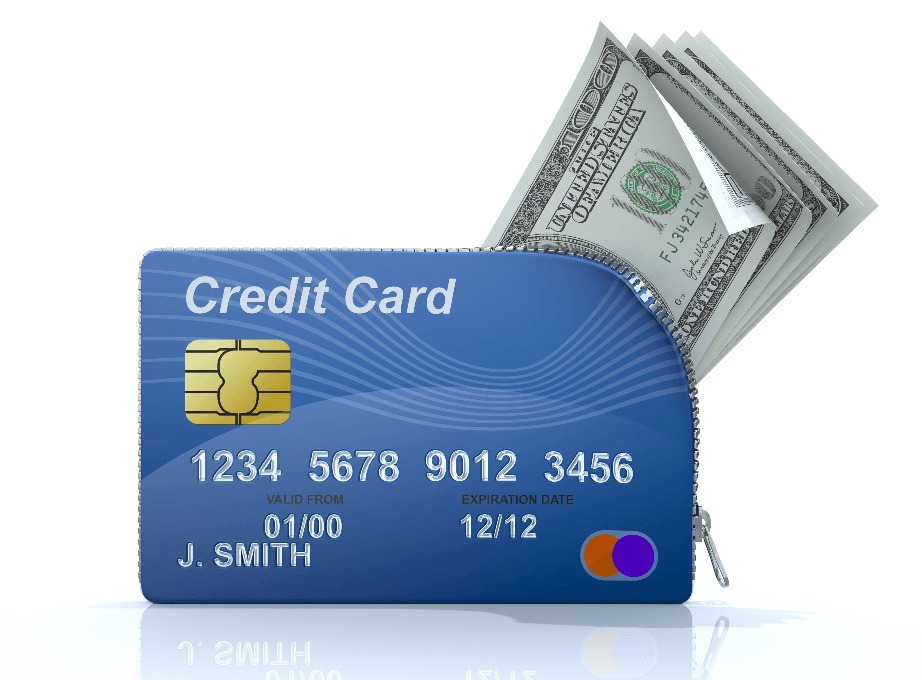
What is a Credit Card?

A credit card is a printed card, or a card number with no physical form, that allows the purchase of goods and services or cash withdrawal without using cash. So how are credit card limits set and managed? Setting a limit involves checking many parameters about the customer.

Diagram of ISO/IEC card standards defining credit card dimensions and layout

Credit Card

Standards that define credit card design and operation

When payment systems come to mind, credit cards are usually the first thing people think of. Credit cards are produced according to specific standards, both in visual design and during printing. These standards belong to the ISO/IEC 781X family.

Diagram explaining PVKI and PVV calculation in card PIN verification

Credit Card

What Is PVKI (PIN Verification Key Index)?

PVKI is the abbreviation for PIN Verification Key Index. It is located within the card's Track 1 and Track 2 data and is used in PVV calculation. It can take values from 1 to 6, usually defaulting to 1.

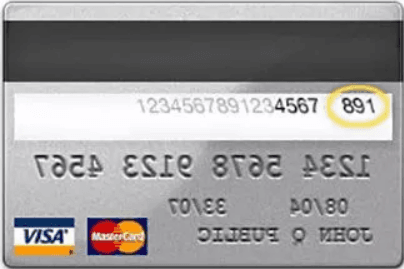
Close-up of the card security code printed on the back of a payment card

Credit Card

What is the Card Security Code?

The Card Security Code is a 3-digit numeric value used for cardholder verification and to reduce fraud risk. It is generated during card production and printed either on the card or encoded into the Track 1 and Track 2 data.

Payment card illustrating magnetic stripe data used for PIN verification

Credit Card

What is PVV (PIN Verification Value)?

PVV is the number encoded on a card's magnetic stripe that allows the cardholder's PIN to be verified by ATMs and POS terminals. It is a 4-digit cryptogram calculated through a cryptographic operation using the PIN and card data. The real result is longer than 4 digits.

Comparison of CVV security code locations on a standard card and an American Express card

Credit Card

Is the CVV/CVC Code Always 3 Digits?

First, let's briefly explain CVV/CVC. CVV stands for Card Verification Value, a term used for Visa. CVC stands for Card Verification Code, a term used for MasterCard. The CVV/CVC code is used for cardholder verification and to reduce fraud risk.