Skip to content

Search

"banking data"

183 articles found

Illustration representing open banking and banking as a service with digital banking and API connection icons

Open Banking

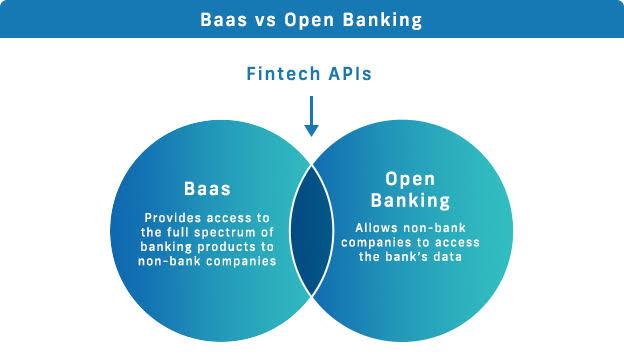
What are the differences between Banking as a Service and Open Banking?

First, it is useful to briefly recall the concepts of Banking as a Service and Open Banking. Banking as a Service (BaaS) lets interface developers connect directly to service banks' systems via APIs and open banking services to run banking transactions for customers...

Diagram illustrating the NextGenPSD2 framework for open banking APIs

Open Banking

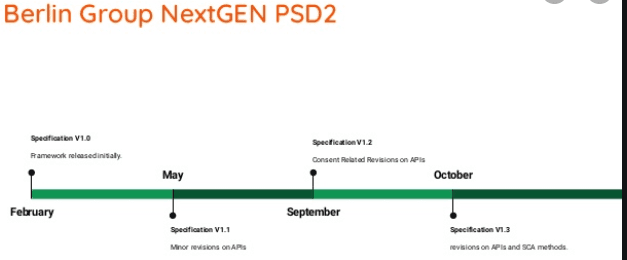
What Is NextGenPSD2?

NextGenPSD2 is the set of API standards launched by the Berlin Group in 2017, now involving more than 1,700 banks from 20 countries. This post explains what the framework offers to banks, fintechs and third-party providers under PSD2.

Illustration representing the products and services KKB offers directly to its member institutions

Credit Card

What Products and Services Does KKB Offer Directly to Members?

KKB was established, under banking law, to enable the exchange of all kinds of information and documents among at least five banks, and it also shares credit information about customers. The Credit Bureau of Turkey also serves deposit banks, participation banks, financial institutions, and more.

Open banking illustration representing payment services data sharing APIs between financial institutions and third-party providers

Payment Systems

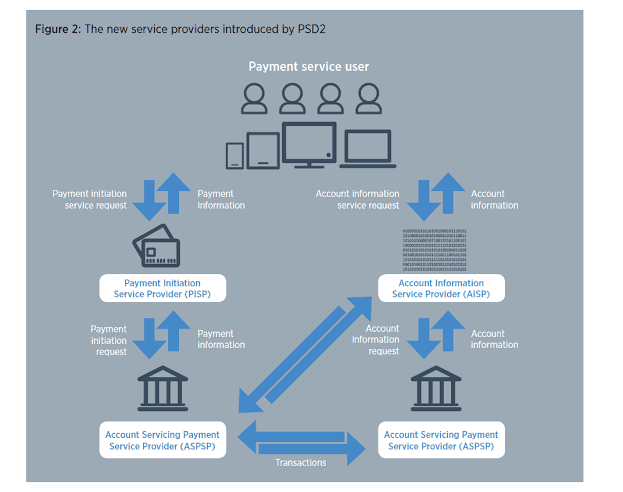
Guide on Data Sharing Services in Payment Services Published

Open banking opens financial data, under the regulations and with the customer's explicit consent, to third-party service providers through standard APIs. The CBRT has published a guide on payment initiation and account information services, covering licensing and technical certification.

Mastercard SAFE fraud reporting illustration

Credit Card

What Is SAFE (System to Avoid Fraud Effectively)?

SAFE, short for System to Avoid Fraud Effectively, refers to fraud records created by issuing banks. Fraud records sent in the Mastercard clearing format fall under the SAFE category.

Diagram showing the EMV chip card static data authentication (SDA) process

EMV

What is a Data Authentication Code (DAC)?

DAC is the abbreviation for Data Authentication Code. It is a piece of data assigned by the issuer and held by the terminal during the Signed Static Application Data verification process.

Issuer data and BIN definitions on POS terminals

Merchant & POS

Why Are Issuer Data Definitions Important?

The most important part of issuer data definitions is that they are built around your own bank's or institution's developments and application flows. Missing BINs can break installments, rewards and routing on POS devices.

Diagram illustrating open banking, where customer financial data is shared with fintech companies through APIs

Payment Institutions & E-Money

What Is Open Banking?

Open banking means sharing customers' financial information with a third-party fintech company so that a range of banking and financial services can be offered to them. It works through API integrations. This post covers its status in Turkey and the new BRSA regulation.

Account Information Service Provider concept icon

Payment Systems

What are Account Information Service Providers?

Digital Account Checking underpins many innovative banking and FinTech services. In most cases, it is performed by Account Information Service Providers, which supply data from customers' online bank accounts to other banks and third-party providers.

Illustration of ISO 8583 message format

ISO 8583

ISO 8583 Field Descriptions (F35)

F35 TRACK-2 DATA: The values printed to the card's Track 2 data in ISO 7813 format, including field separators and start/end sentinels, but excluding LRC (Longitudinal Redundancy Check) characters. It is 37 characters long.