Skip to content

Search

"card fraud"

116 articles found

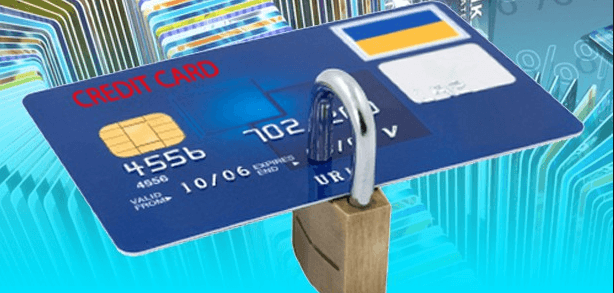
Illustration representing credit and debit card fraud

Credit Card

Credit Card/Debit Card Fraud

Credit card fraud is generally committed using the card itself, using card details without the card, via excess or duplicate withdrawals, or by seizing identity information. ATM card trapping is common, since ATMs hold the card during the transaction.

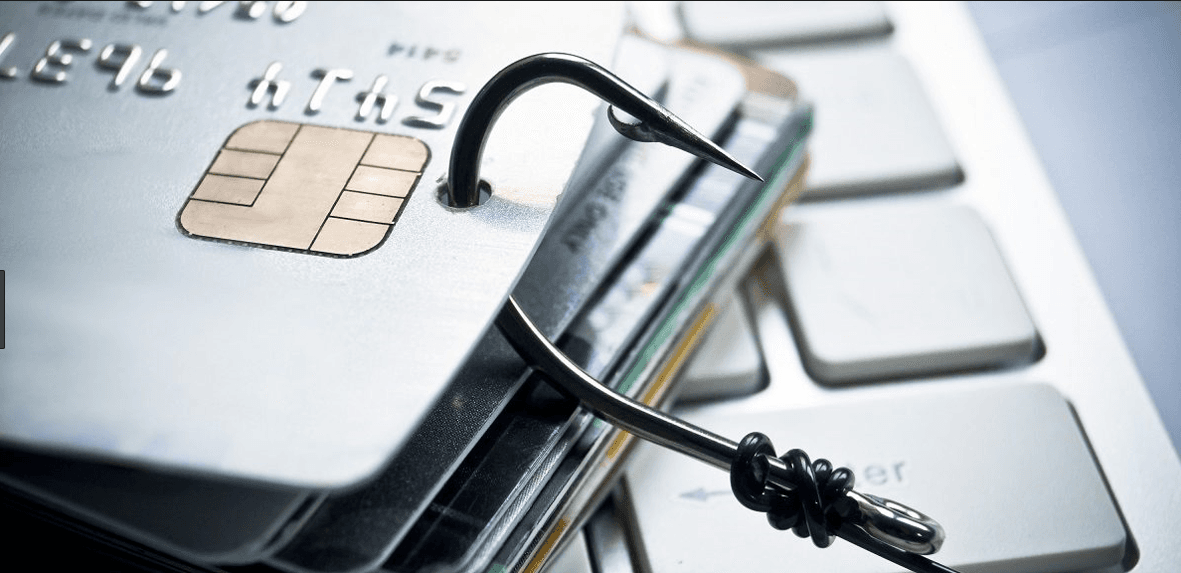
Illustration representing credit card fraud and online payment security risks

Fraud

What is Fraud? What are the Types of Fraud?

With the growth of credit and debit card usage and rising e-commerce transaction volumes, there has been a serious increase in exploiting user negligence to harm customers. Fraud means using someone else's card at a merchant or ATM to gain unjust profit.

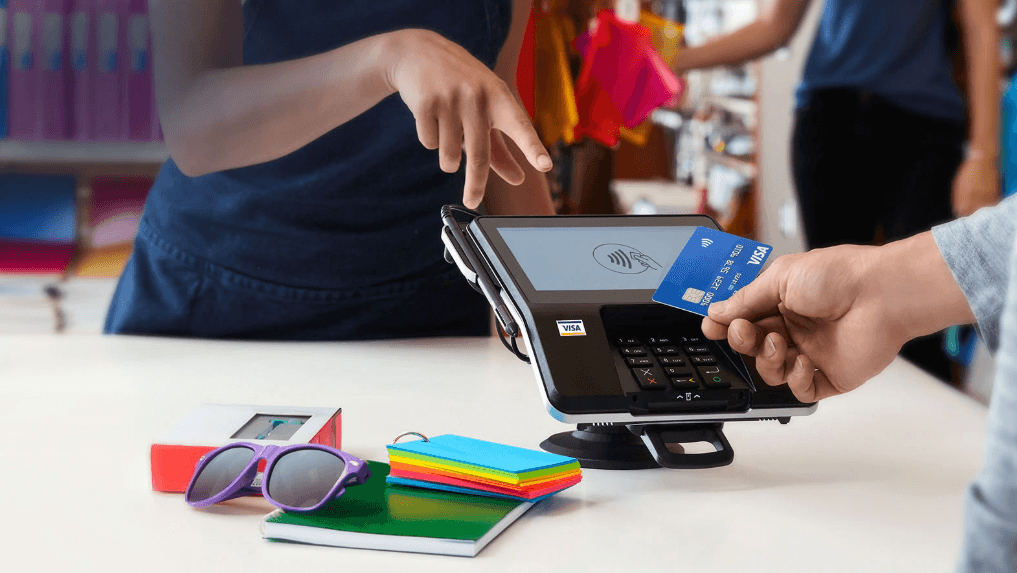
Payment card being swiped on a tampered POS device in a credit card fraud scheme

Credit Card

A New Method in Credit Card Fraud!!

Credit card fraud keeps changing form, but the aim is always to trick the cardholder into giving up card details. Fraudsters posing as delivery couriers now copy cards on modified POS devices. Here is how the scam works and how to protect yourself.

Table of chargeback reason codes by payment scheme

Chargeback

What Are the Chargeback Reason Codes by Payment Scheme?

A chargeback is the process of requesting that an amount paid by credit card be refunded, either because the goods or services paid for were not received, or because a transaction is identified as one the cardholder did not carry out.

Illustration of an ATM card trapping fraud scheme

ATM

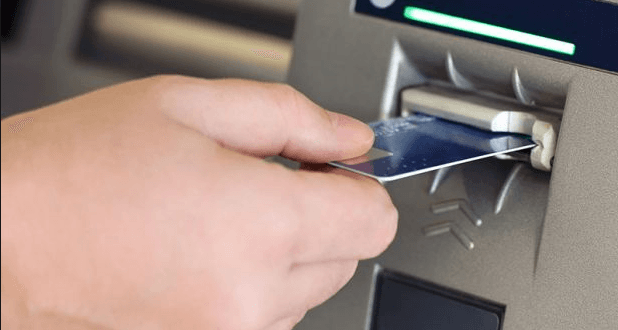
ATM Fraud Methods: Card Trapping

ATMs generally hold your bank/credit card inside the card reader slot until the transaction is completed. Fraudsters insert foreign objects such as paper or adhesive-coated cards into the reader to trap the customer's card inside.

Card application fraud illustration

Credit Card

What Are the Methods of Card Application Fraud?

A fraudster who has obtained someone's identity card, or produced a copy of it, applies for a card in the customer's name through various channels using that and the other requested documents.

Table of Visa and Mastercard fraud codes and descriptions

Security

What Are the Visa and Mastercard Fraud Codes?

Fraud means obtaining unjust gain by carrying out a transaction at a merchant or ATM using someone else's credit card or debit card, causing a loss to the real cardholder, the merchant, or the bank. So what fraud codes do Visa and Mastercard use?

Payment card being checked against a card recovery bulletin of problem cards

Merchant & POS

What Is a Card Recovery Bulletin (Card Protection Bulletin)?

A Card Recovery Bulletin is a list of problem cards (lost, stolen, expired, over-limit, counterfeit or otherwise flagged) published by card schemes such as Visa or MasterCard. It shows whether a card number is listed on the date of purchase.

Illustration representing the Card Protection Plan (CPP)

Security

What is CPP (Card Protection Plan)?

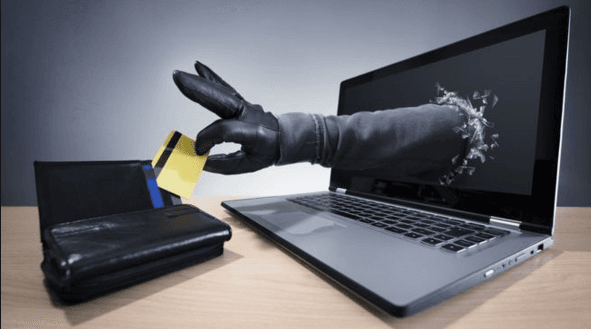
Credit cards are one of the most important payment instruments in daily life. As technology advances and mobile payments and ATMs handle nearly all transactions, credit card fraud is also diversifying and increasing.

Application fraud and transaction fraud controls

Fraud

What Are the Types of Fraud Controls?

Fraud controls fall into two main types: application fraud controls, which check card and merchant applications, and transaction fraud controls, which monitor card and POS transactions.

Mastercard SAFE fraud reporting illustration

Credit Card

What Is SAFE (System to Avoid Fraud Effectively)?

SAFE, short for System to Avoid Fraud Effectively, refers to fraud records created by issuing banks. Fraud records sent in the Mastercard clearing format fall under the SAFE category.

Illustration representing the advantages and disadvantages of credit cards

Credit Card

What Are the Advantages and Disadvantages of a Credit Card?

Credit cards can be a convenient way to manage income and expenses, but for those who don't know how to use them, they can become an expensive and risky product. Here are the key pros and cons to weigh before applying for one.