Merchant & POS
What is BKM TechPOS?
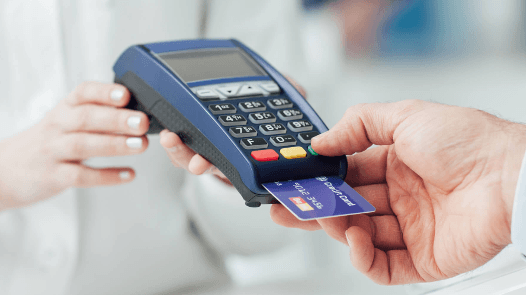
BKM TechPOS is an infrastructure through which card acquirers and POS/cash register manufacturers can interoperate via BKM, letting all participating banks provide card acceptance services on a single device.
Search
67 articles found
Merchant & POS
BKM TechPOS is an infrastructure through which card acquirers and POS/cash register manufacturers can interoperate via BKM, letting all participating banks provide card acceptance services on a single device.
Payment Systems
PCI Point of Interaction (POI) was introduced to minimize risk in card transactions. PCI POI Security Requirements cover physical and logical security for both online and offline PIN entry devices (PED) and secure card readers.
Merchant & POS
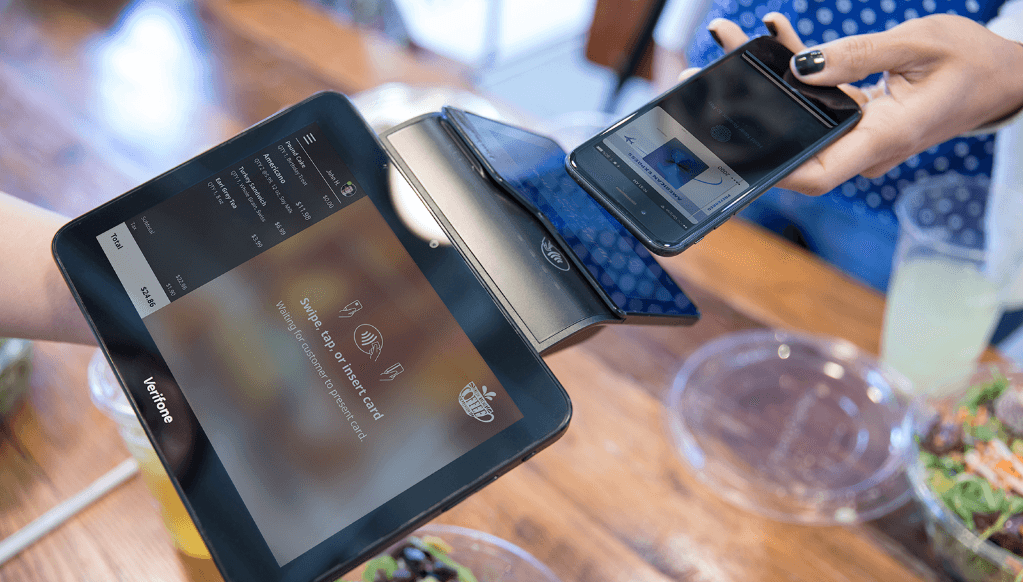
Unattended POS is a type of POS that is not managed by merchant staff and is triggered by the customer in self-service services. Its use has increased further with the rise of mobile payments.
Payment Systems
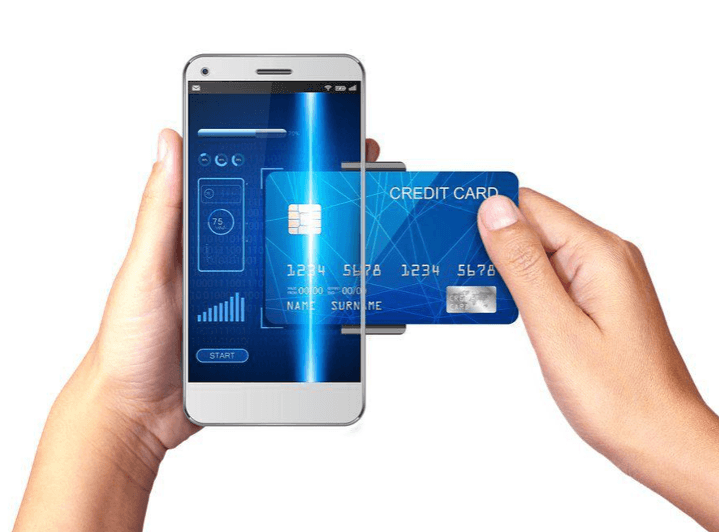
Soft POS is a POS application that lets merchants accept payments from contactless cards or mobile wallets on Android devices, without needing a physical terminal. Companies market it under various names such as pocket POS or mobile POS.
HSM & Security
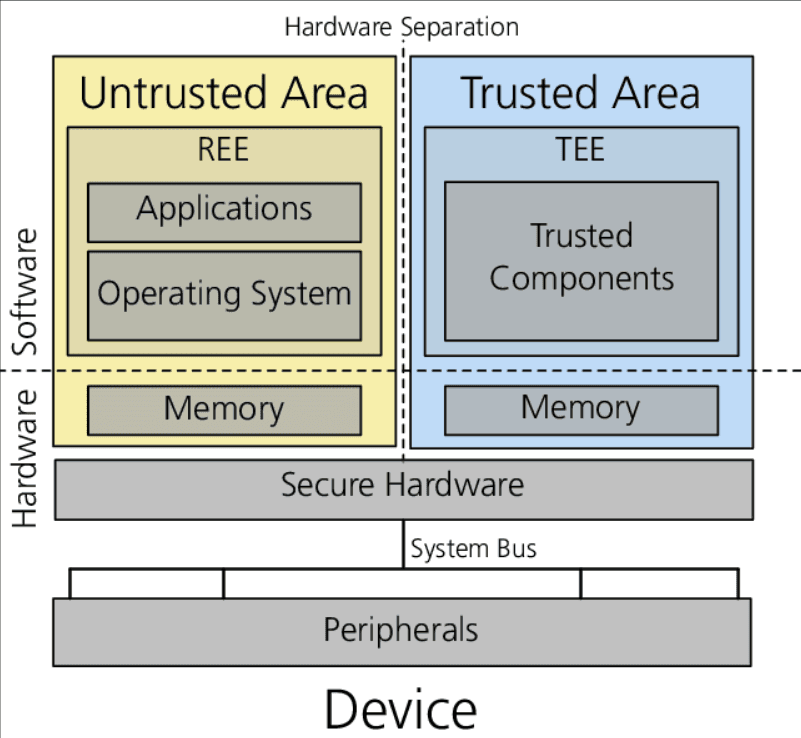
A Trusted Execution Environment (TEE) is an environment where executed code and accessed data are isolated and protected in terms of confidentiality (no one has access to the data) and integrity (no one can alter the code or its behavior). We may not realize it, but many…
Merchant & POS
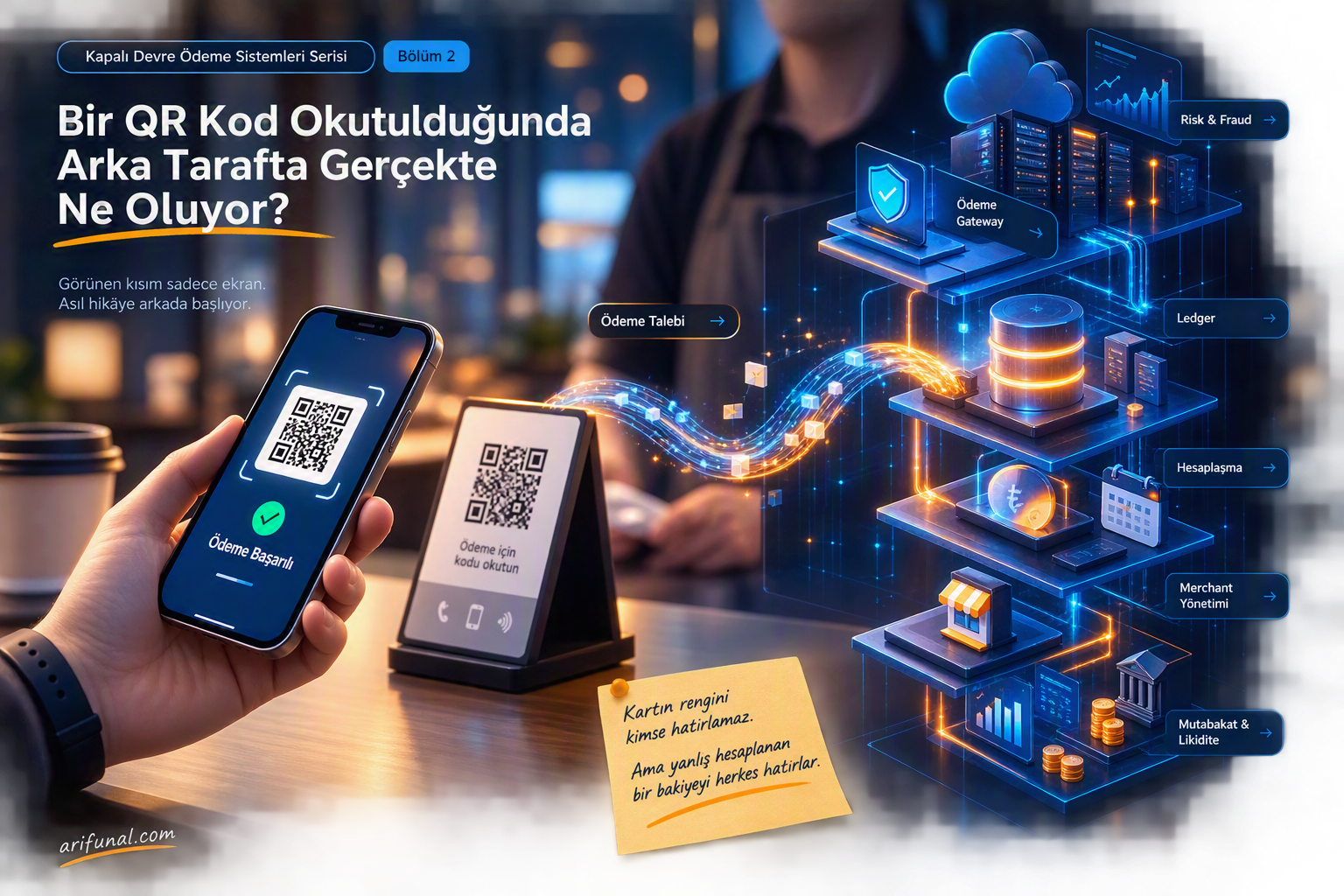
In the first post I explained what closed-loop payment systems are and how they differ from open-loop ones. Many of the replies I received boiled down to one question: how do these systems actually work behind the scenes once a QR code is scanned?
Payment Systems
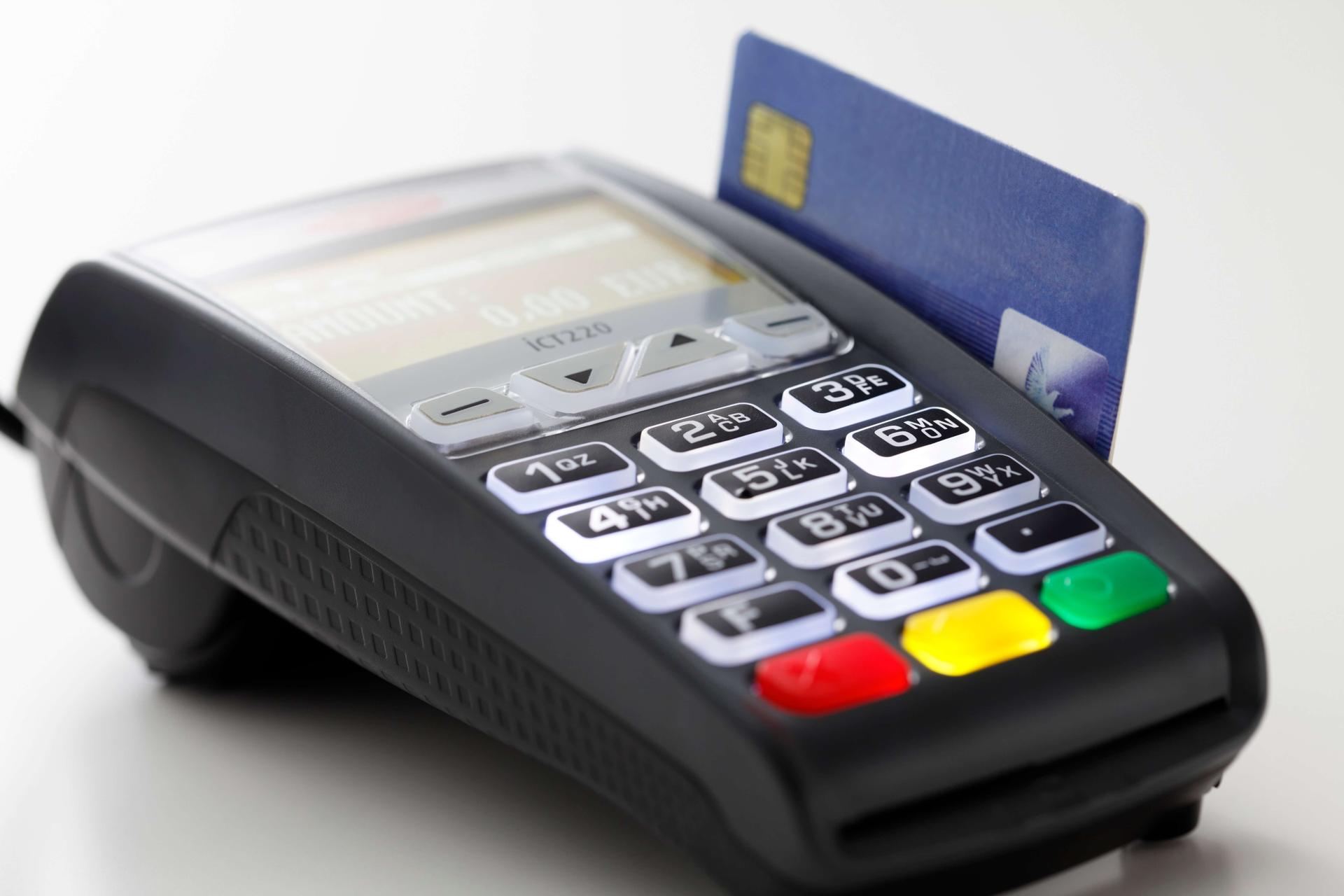
Why do institutions track inefficient POS terminals and lines? This post looks at the costs they create, such as device purchases, field service and software fees, and how to deal with merchants that generate little turnover.
Payment Systems
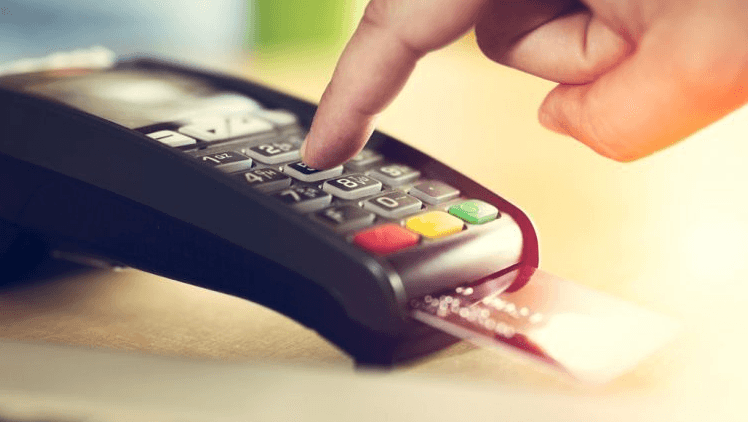
A Lost POS is a situation in which a POS device provided to a merchant by a bank or institution cannot be retrieved for any reason. Since POS devices are recorded as fixed assets, tracking them closely is essential.
Merchant & POS
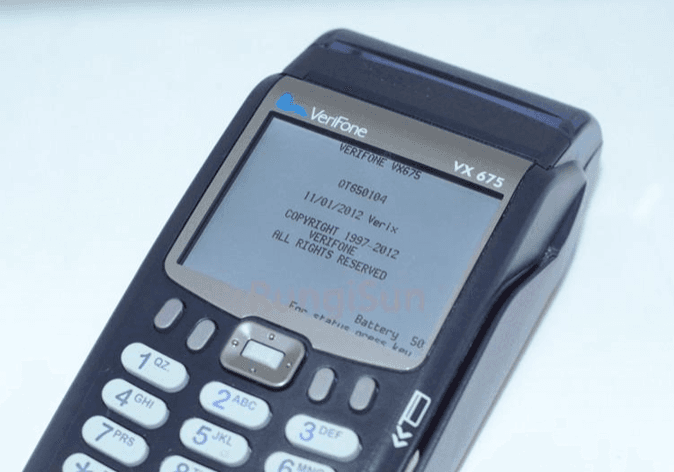
Developed by BKM and made available to banks, OPYS centrally supports setting up multi-application POS terminals shared by multiple members, inviting other members, adding or removing them, and managing field company relationships.

Merchant & POS
Dynamic verification means that, in a payment initiated with a dynamic QR code, transaction-specific details such as the recipient's name, account number and amount are verified online by the receiving participant at the time of the transaction.
Online & Authorization
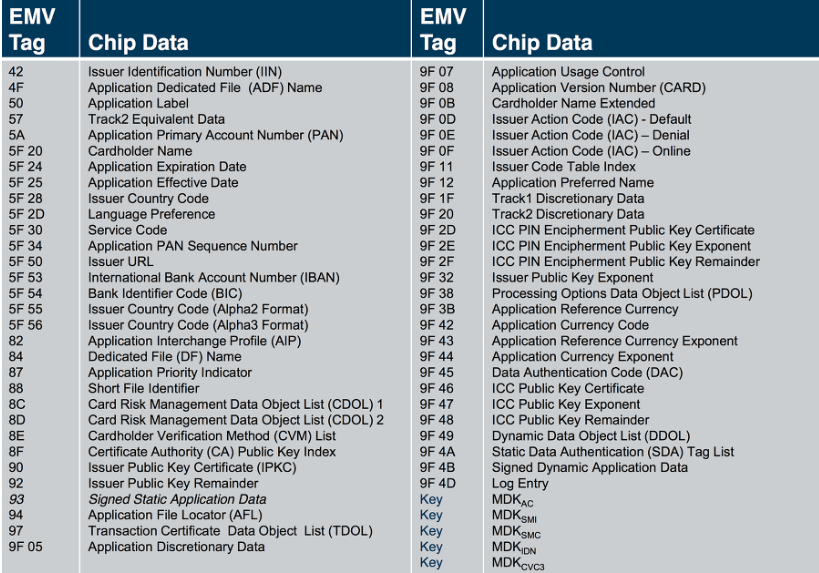
In EMV, data is stored in Tag-Length-Value (TLV) format, and it is carried between the card, the POS terminal, and the authorization system in this same format. This post lists every EMV Tag, its type, and its description.
ATM
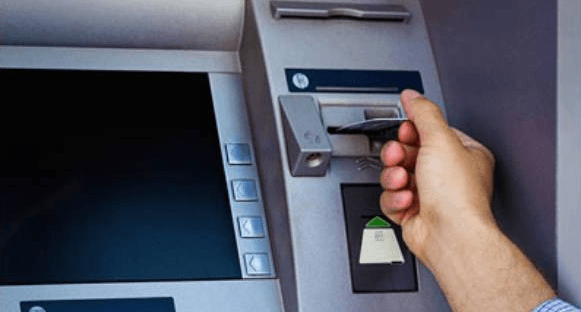
ATMs hold significant amounts of cash, are among banks' most important customer service points and are prone to faults, so they must be monitored from installation onward and acted on quickly.