Skip to content

Search

"field specification"

48 articles found

Illustration of ISO 8583 message field layout used for field F47

ISO 8583

ISO 8583 Field Descriptions (F47)

F47-ADDITIONAL DATA (NATIONAL) is the field reserved for domestic additional information. In Turkey, it carries the BKM Unique ID in authorization transactions and data specific to KKPT (card-to-card transfer) transactions.
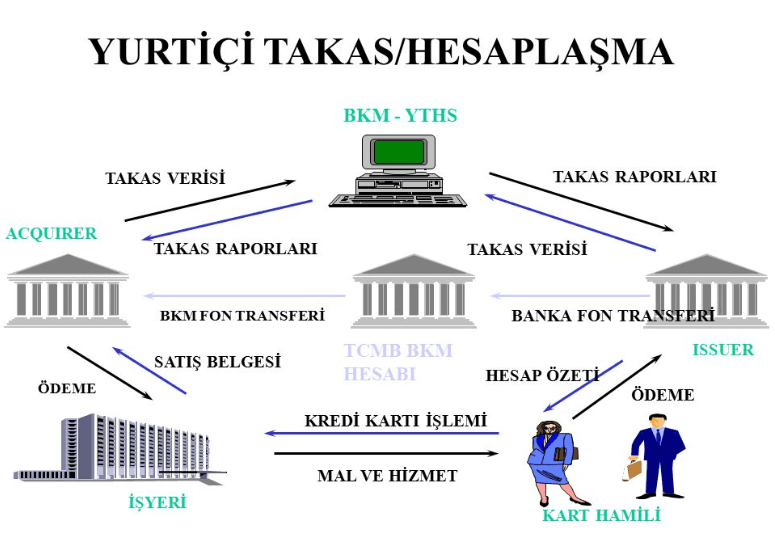
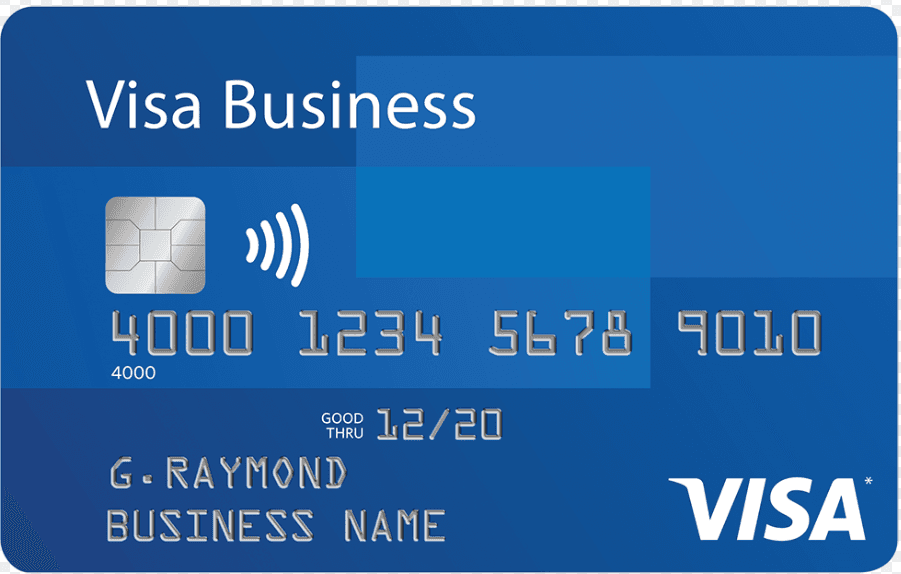
Diagram illustrating TCR (Transaction Record Component) packets used in payment clearing and settlement files

Payment Systems

What Is TCR (Transaction Record Component)?

TCR stands for Transaction Record Component, the packets that carry transaction information in a clearing system. Transaction types in a clearing file are distinguished by transaction code and usage code values, and this data is sent inside TCR packets.

Close-up of a credit card showing the embossed cardholder name

Credit Card

Can the emboss name be printed on a card without limit?

The customer's name and surname printed on credit and debit cards is called the emboss name. But can the name be printed on a card without any limit? There is a defined field for all information printed on a card, and these fields have specific standards.

Table describing the subfields of ISO 8583 field 60, the advice reason code

ISO 8583

ISO 8583 Field Descriptions (F60)

F60-ADVICE REASON CODE: Used to indicate the specific purpose of an advice/reversal message. It is 60 characters long.

Diagram showing the structure of ISO 8583 field F48 (Additional Data)

ISO 8583

ISO 8583 Field Descriptions (F48)

DE 48 - ADDITIONAL DATA: these are additional data fields that can be used specifically for transactions. It is 255 characters long. Field F48 carries many pieces of information and is divided into PDS (Private Data Subelements).

Diagram illustrating ISO 8583 Field 61 Point of Service (POS) data structure

ISO 8583

ISO 8583 Field Descriptions (F61)

F61 - POINT OF SERVICE (POS) DATA: This field provides information about the specific status of the POS at the time of the transaction. Position Usage Attribute 1 POS Terminal Attendance Indicator 0 = Attended terminal (Valid for MasterCard debit card and Maestro transactions only).

Diagram showing the structure of an EMV AID value split into RID and PIX sections

EMV

What is the Registered Application Provider Identifier (RID)?

RID is part of the AID value, which is structured according to ISO/IEC 7816-5 and consists of two sections: a value specific to the application provider, and an optional field used to identify different providers or products.

Illustration representing communication protocols used in POS payment systems

Merchant & POS

What Are POS Sub-Protocols and Their Use Cases in Turkey?

In payment systems, every exchange between POS devices and bank or payment institution systems runs on a specific messaging standard, generally based on ISO 8583. However, each country, bank, or switch network defines its own version of this standard.

Reference table of ISO country codes including two-letter, three-letter, and numeric codes

ISO 8583

ISO Country Codes

In ISO messaging standards, country codes sent in fields such as F43, F19, F20, and F21 must follow a specific standard. Below is the country code list and details used for ISO, including 2-character, 3-character, and numeric codes.

ISO 8583 F124 field structure and subfield breakdown

ISO 8583

ISO 8583 Field Descriptions (F124)

F124 (Private Additional Data) contains additional information specific to the transaction, such as Card Update Failure Code and Status, cardholder name in money transfers, and keys in network management messages.

ISO 8583 field 35 Track 2 data

ISO 8583

ISO 8583 Field Descriptions (F35)

The card's Track 2 data is carried in this field. Track 2 data contains information such as the card number, expiry date and service code.

Illustration of dynamic CVM limit management for contactless card payments

Payment Systems

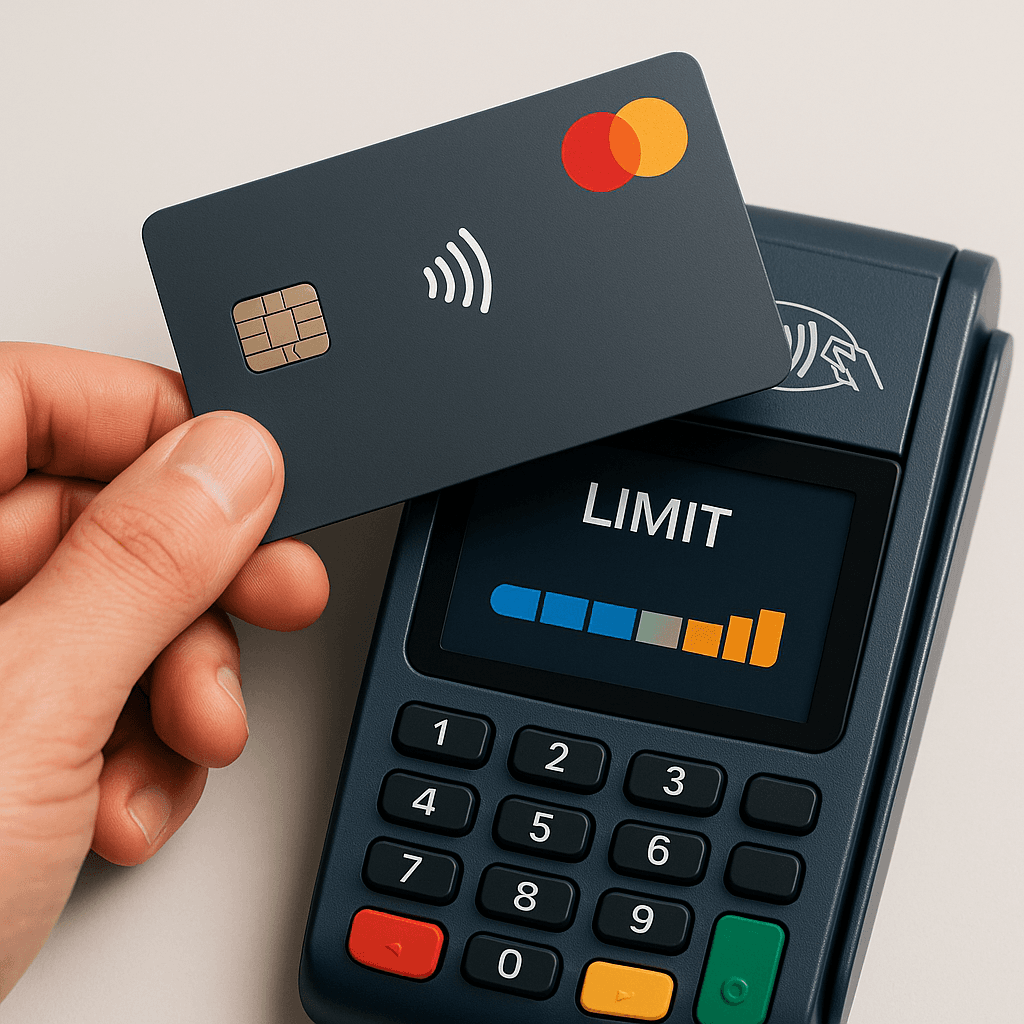
Dynamic CVM Limit Management Approach: A New Era in Card Security

One of the most notable recent developments in card payments is that contactless limits are no longer fixed and can be managed dynamically per customer. Mastercard and Visa are taking different but complementary approaches, and ISO 8583 may need to evolve with them.